Call Freephone 0800 916 6524 to book an appointment with a Hillarys Blinds Advisor

Press Packs

If you would like a pdf version of our most recent product launch press packs please call Sarah or Annette at our press office on 0115 9814421,
email us at sarah.able@darkhorsepr.co.uk or fill in our enquiry form

20 Questions

BLIND SPOT - HILLARYS TOP TWENTY Q & A's ON WINDOW DRESSINGS

Hillarys, the UK's largest supplier of made to measure window
dressings, has recently surveyed its 1000 strong team of advisors to
find out the questions most frequently asked about window dressings
by the nation's householders.

Here are the results and Sarah Quilliam, head of product design and
resident expert, helps to shed some light on the Top Twenty most
common issues.

Are different varieties of window dressing better suited to different rooms and different shaped windows?

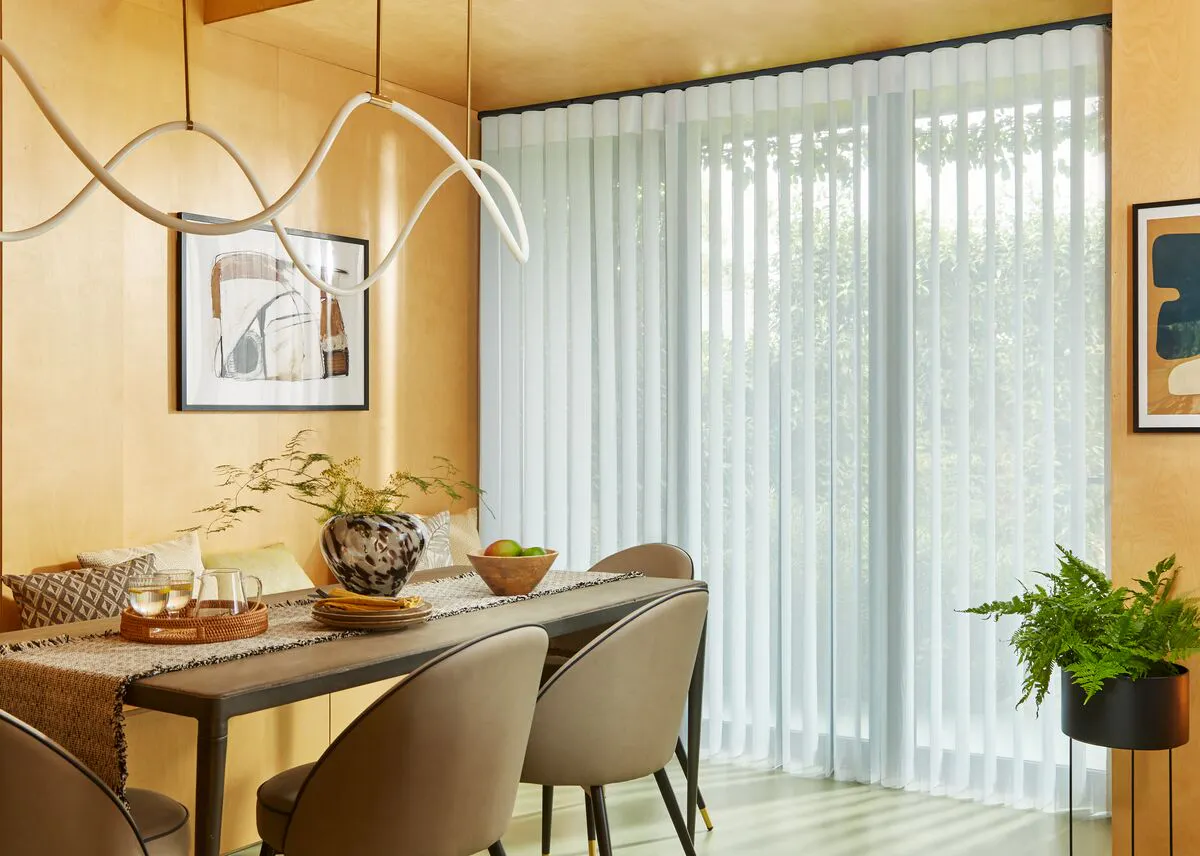
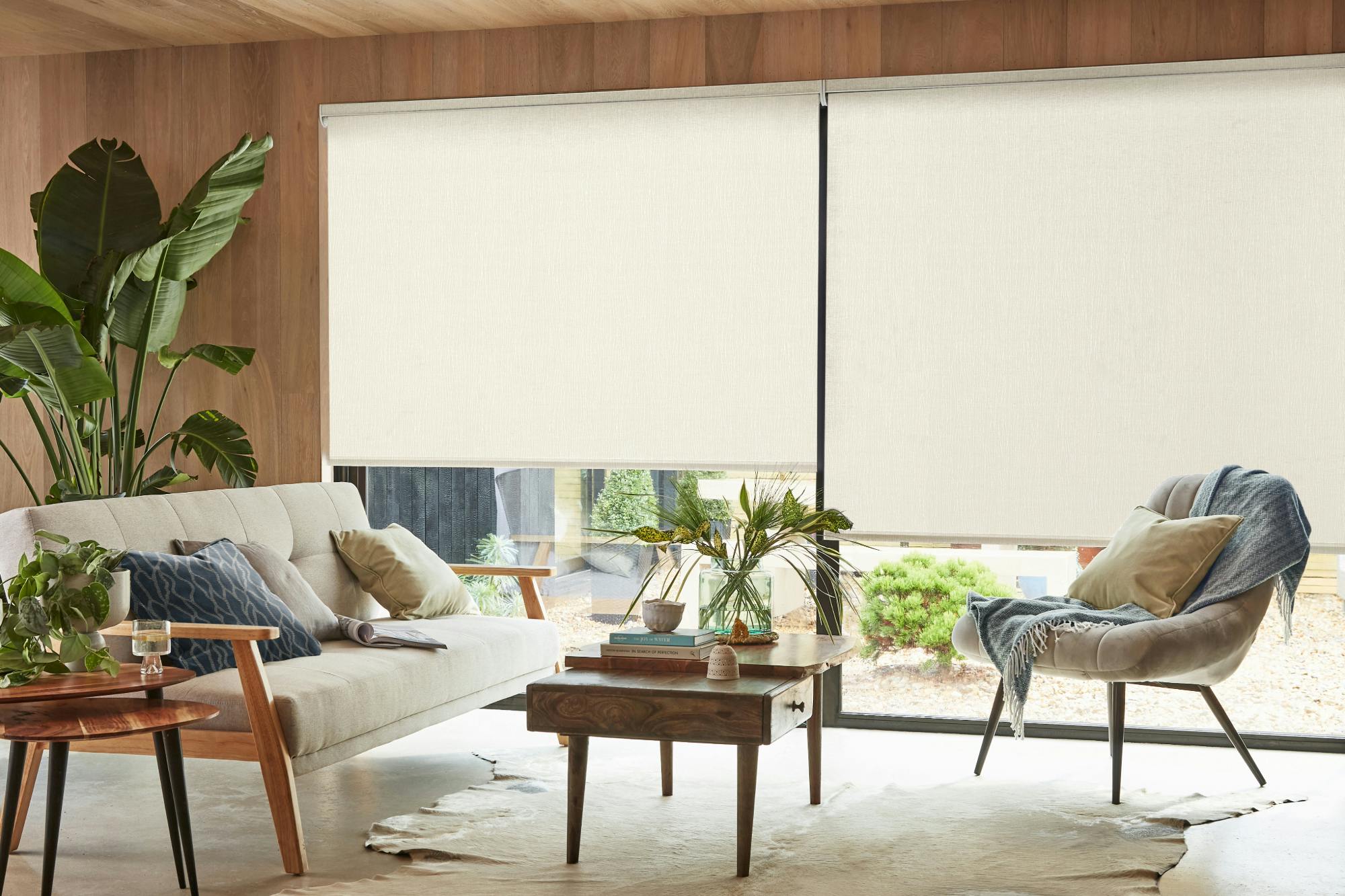
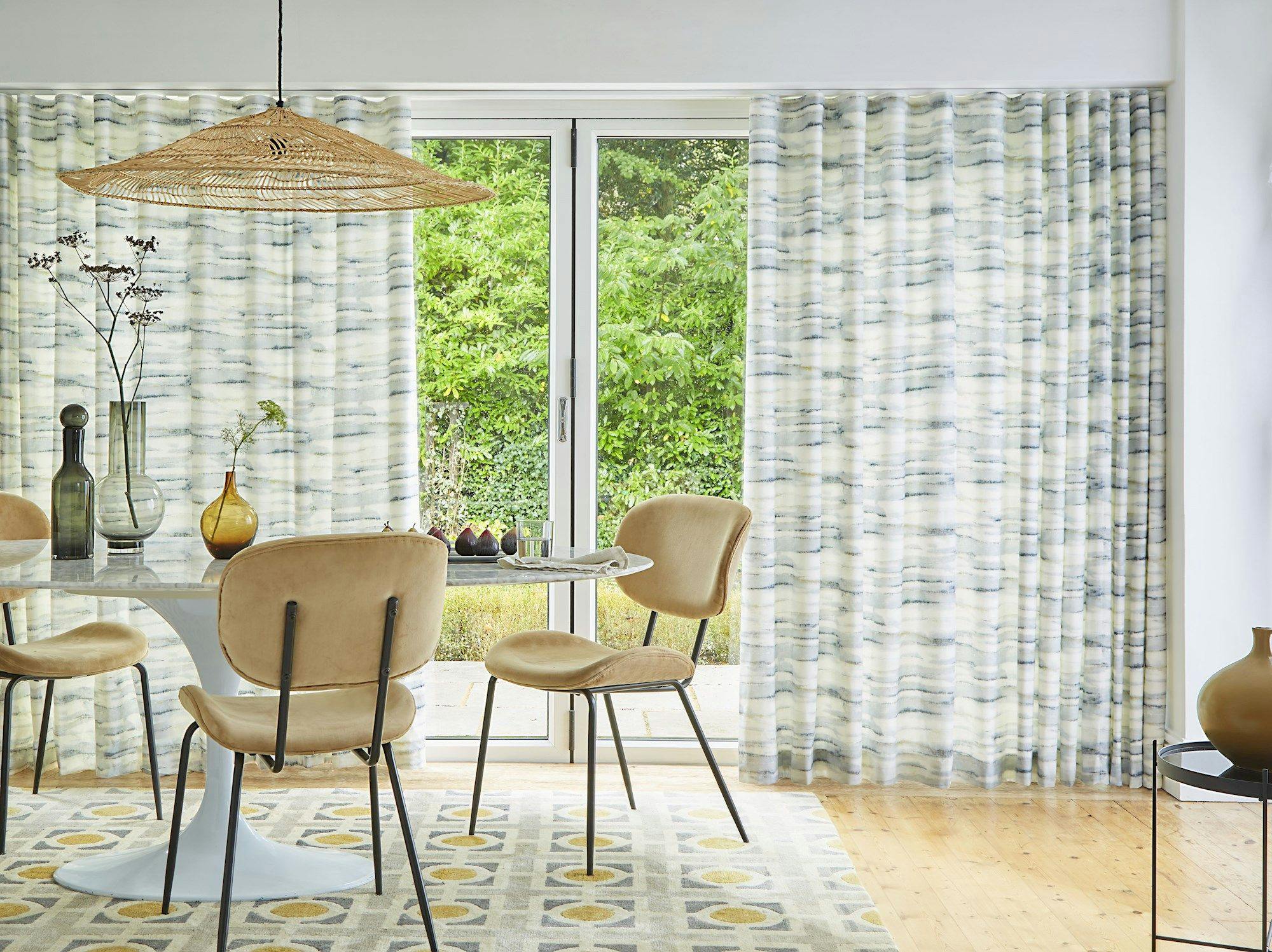
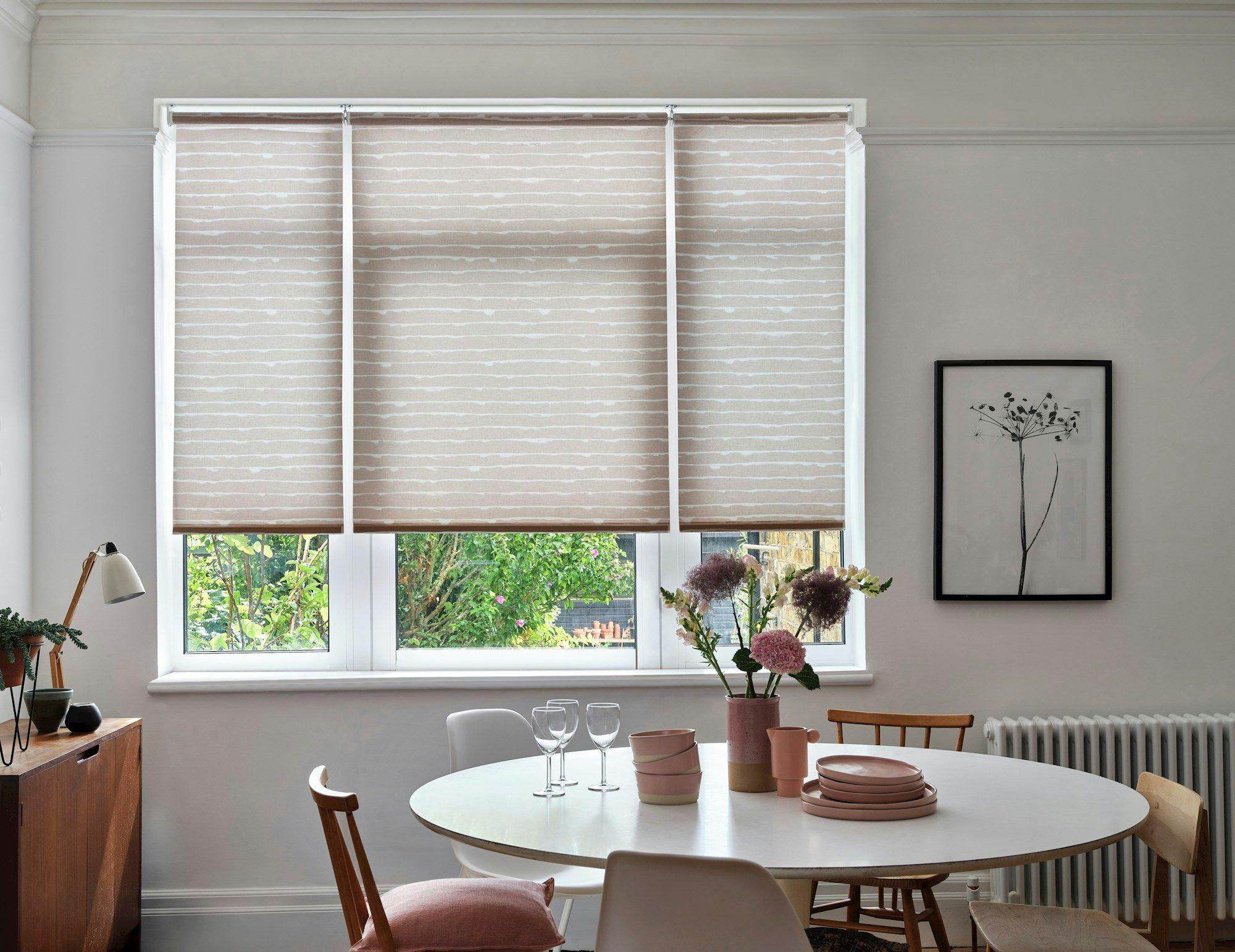
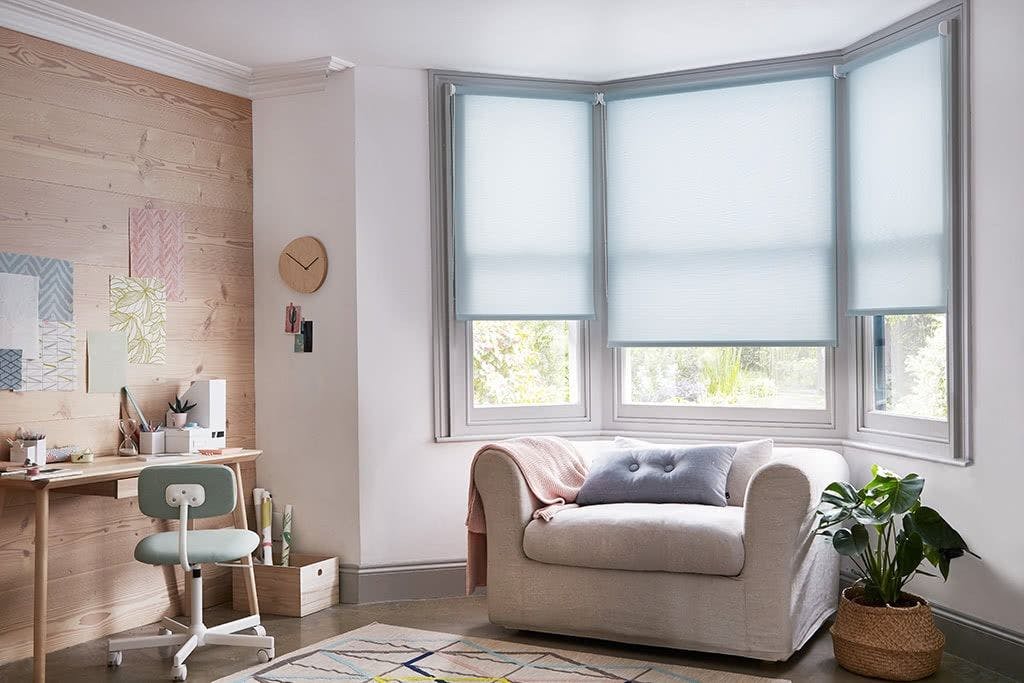
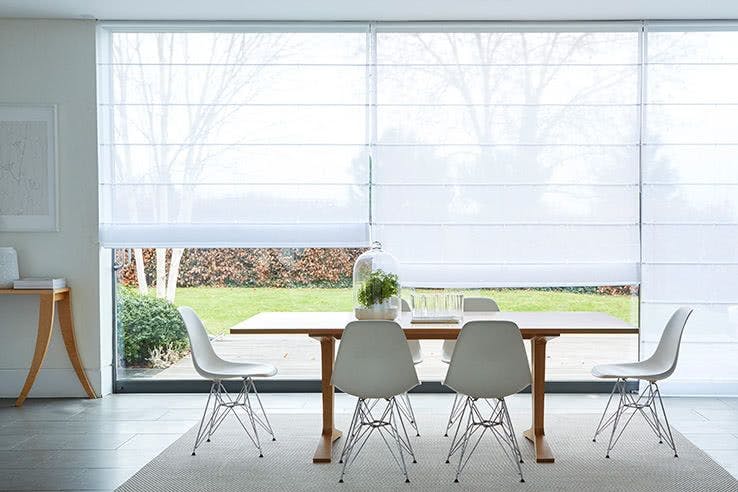
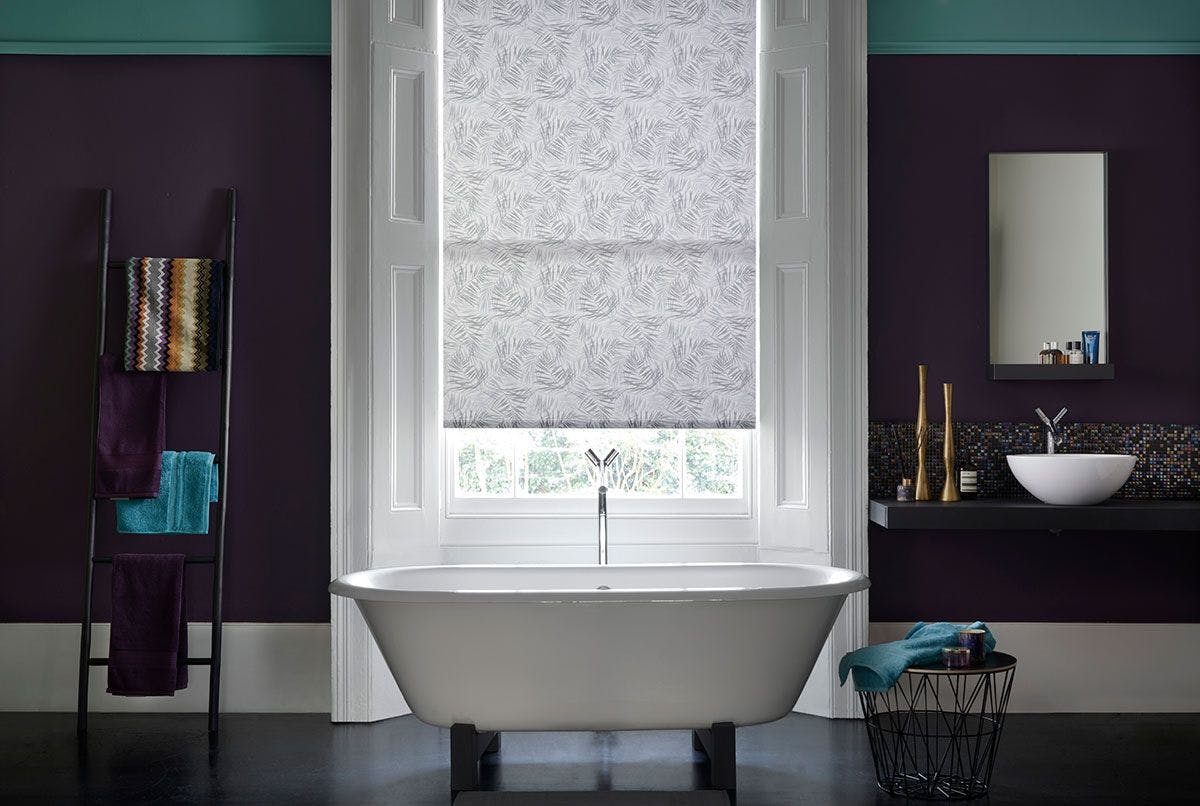
Most blinds are extremely versatile and can be used in all sorts of different situations but as a general rule of thumb verticals are particularly good for large windows or patio doors. Rollers are excellent where use of the windowsill is required or you want a translucent fabric that will accentuate a lovely sash window. They can also be used effectively as a simple room divider or shelf cover-up.

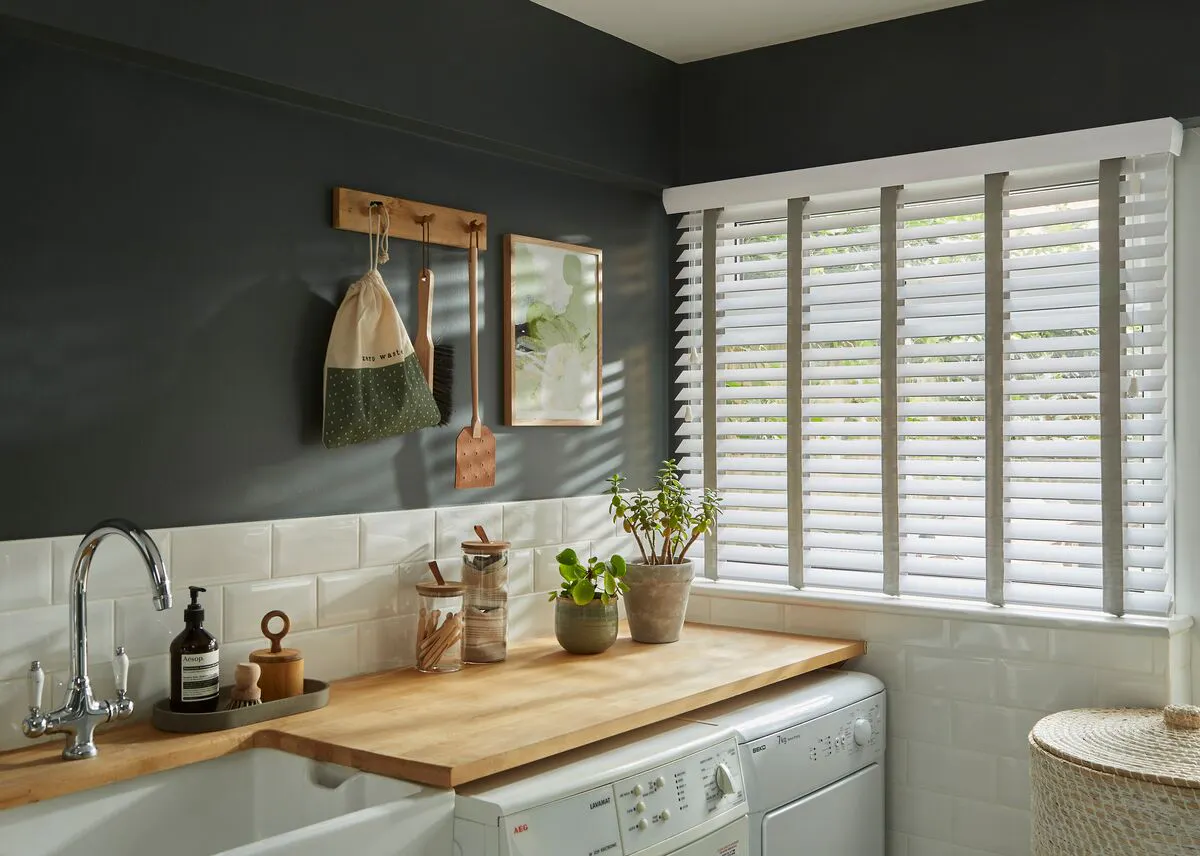
Venetians are often seen in a modern environment however the wide choice of colours, textures and finishes really offers something for everyone's taste. Aluminium venetians are fantastic in a room where condensation or humidity is an issue and wood venetians are a natural and simple way to dress your windows.

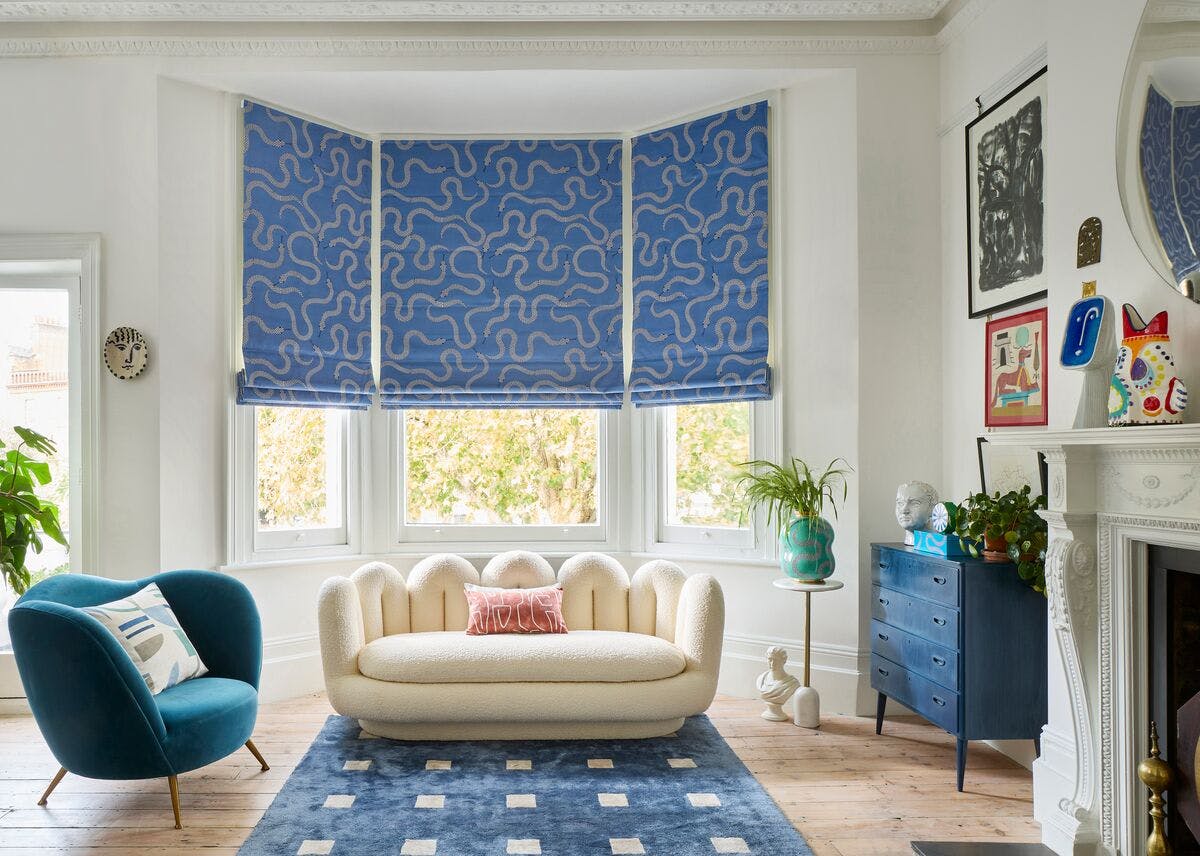
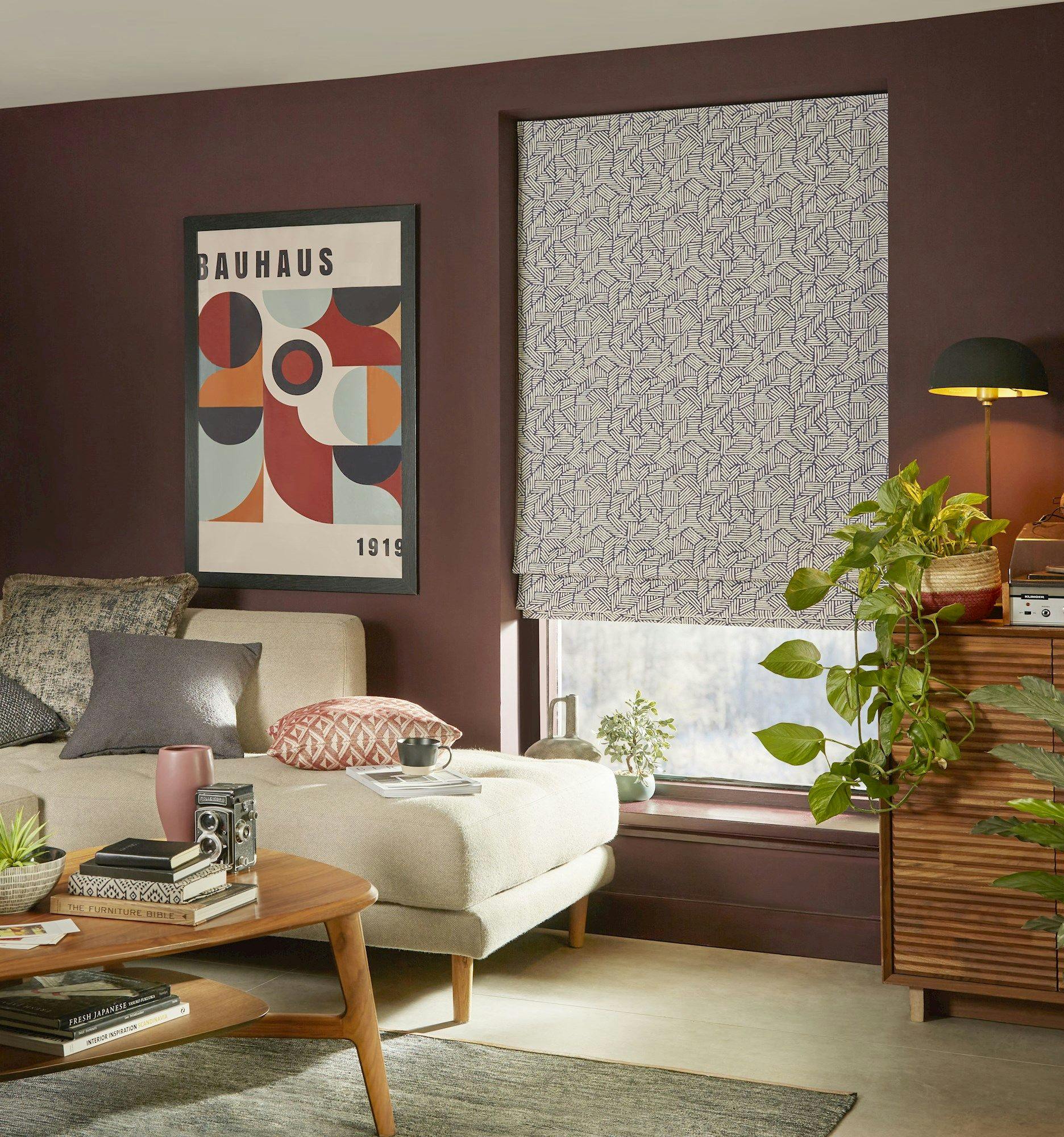
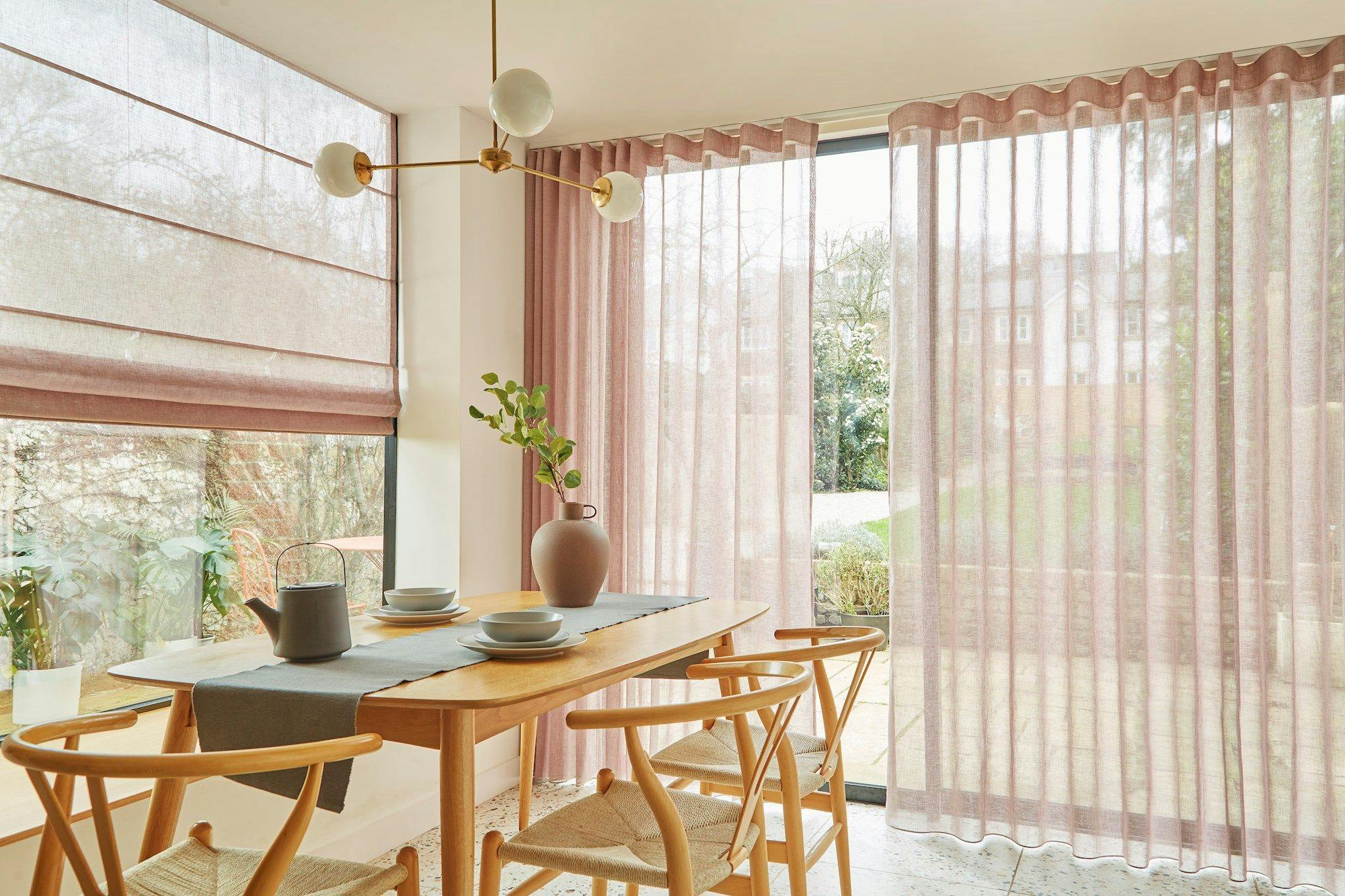
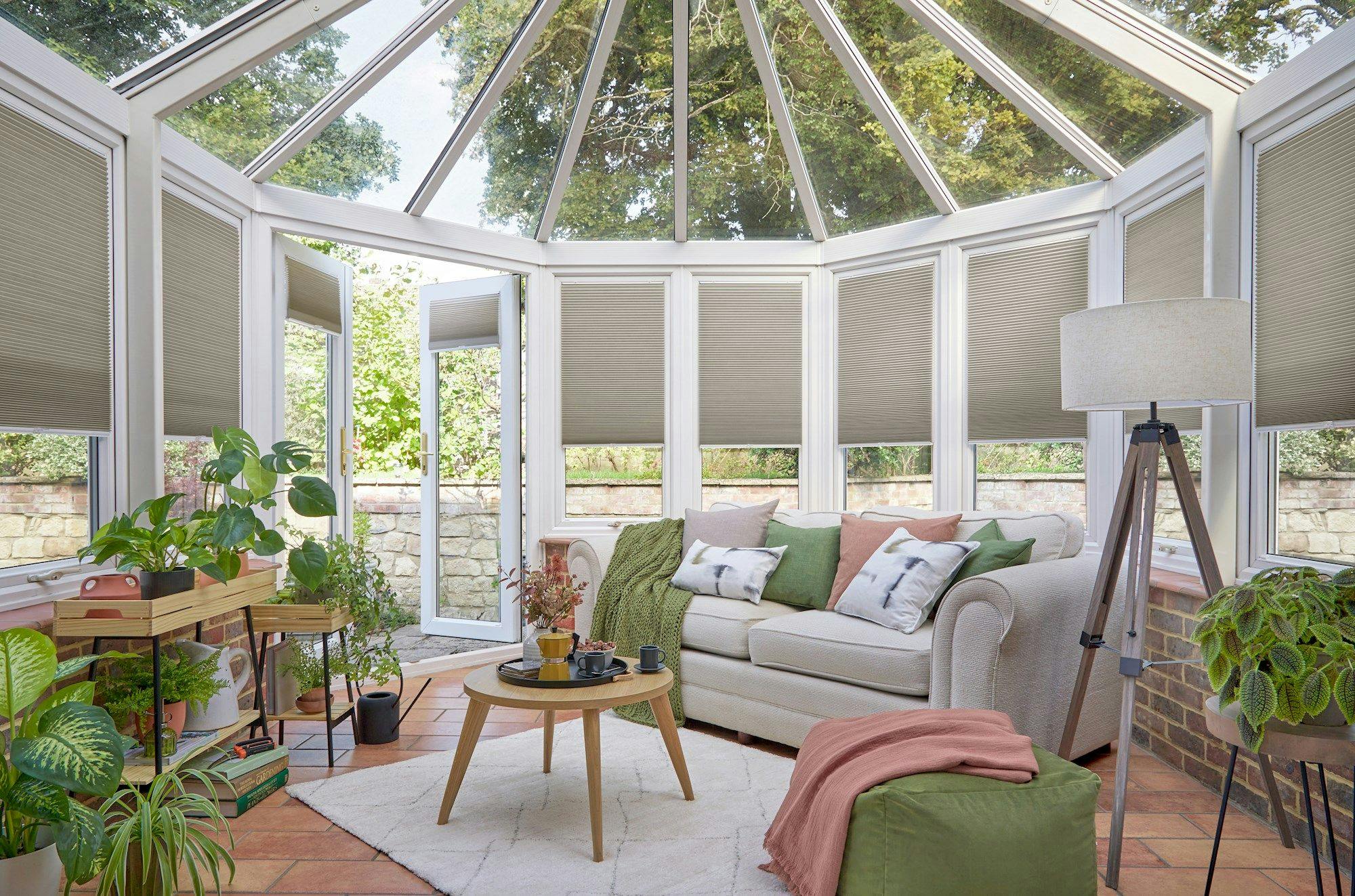
Also embracing the trend for all things natural in the home, woodweave roman style blinds made from wood, stick, bamboo and reed, allow light to diffuse through - particularly nice for working spaces like a study. Made from soft furnishings fabrics and fully lined, a roman blind gives the practicality of a blind with the feel of a curtain. Pleated blinds are perfect for conservatories and skylight windows.

My living room windows look straight out onto the pavement. How can I maintain privacy yet still let light into the room?

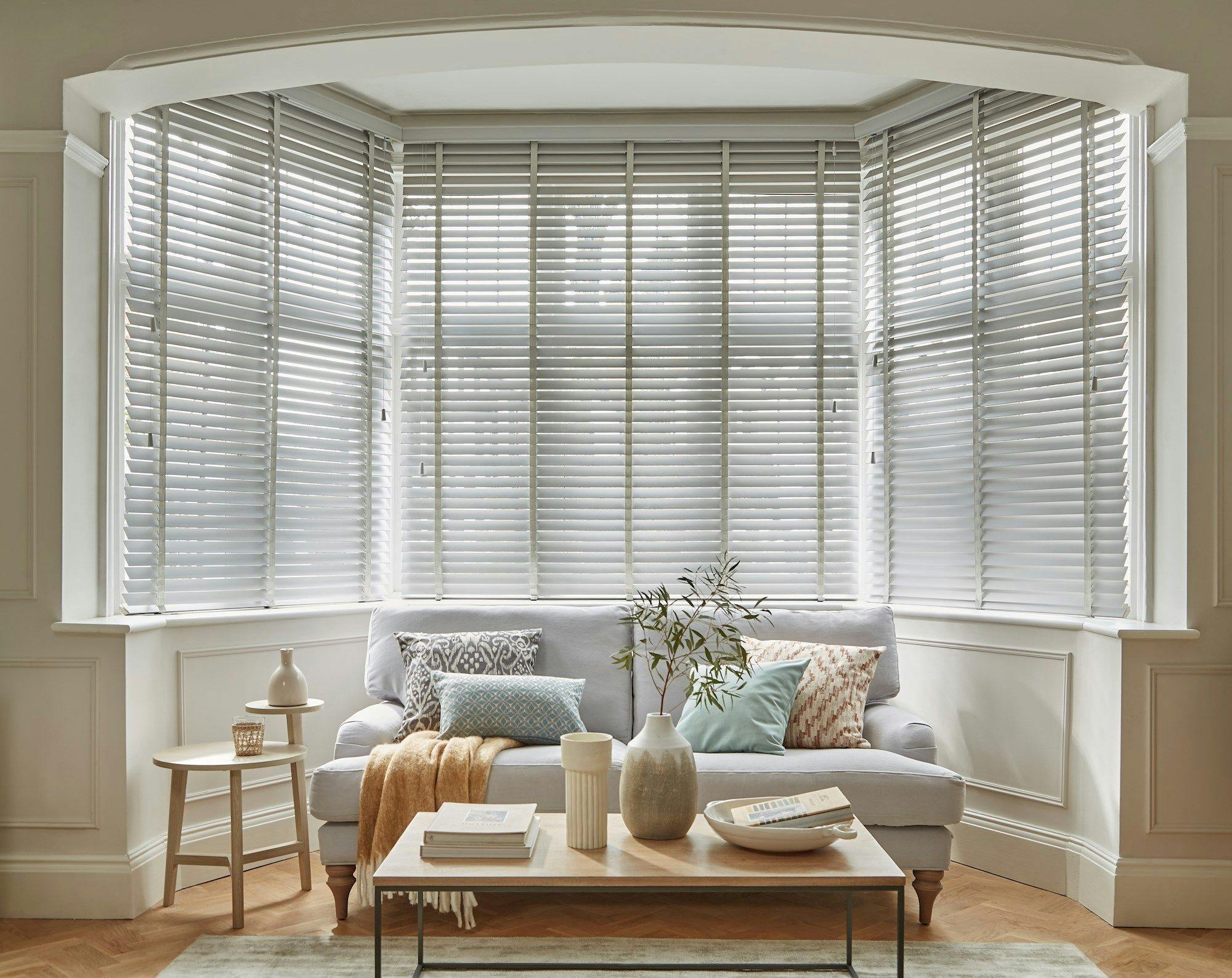
If your window is overlooked by other houses, cover it up with a venetian blind. Not only do they provide privacy but they look modern and stylish and won't block out valuable daylight. The slats can be adjusted to let in as much light as you like and they'll also create interesting dappled patterns on walls and floors.

I'm not keen on vertical blinds as they remind me of being in the office but what else can I put at patio doors?

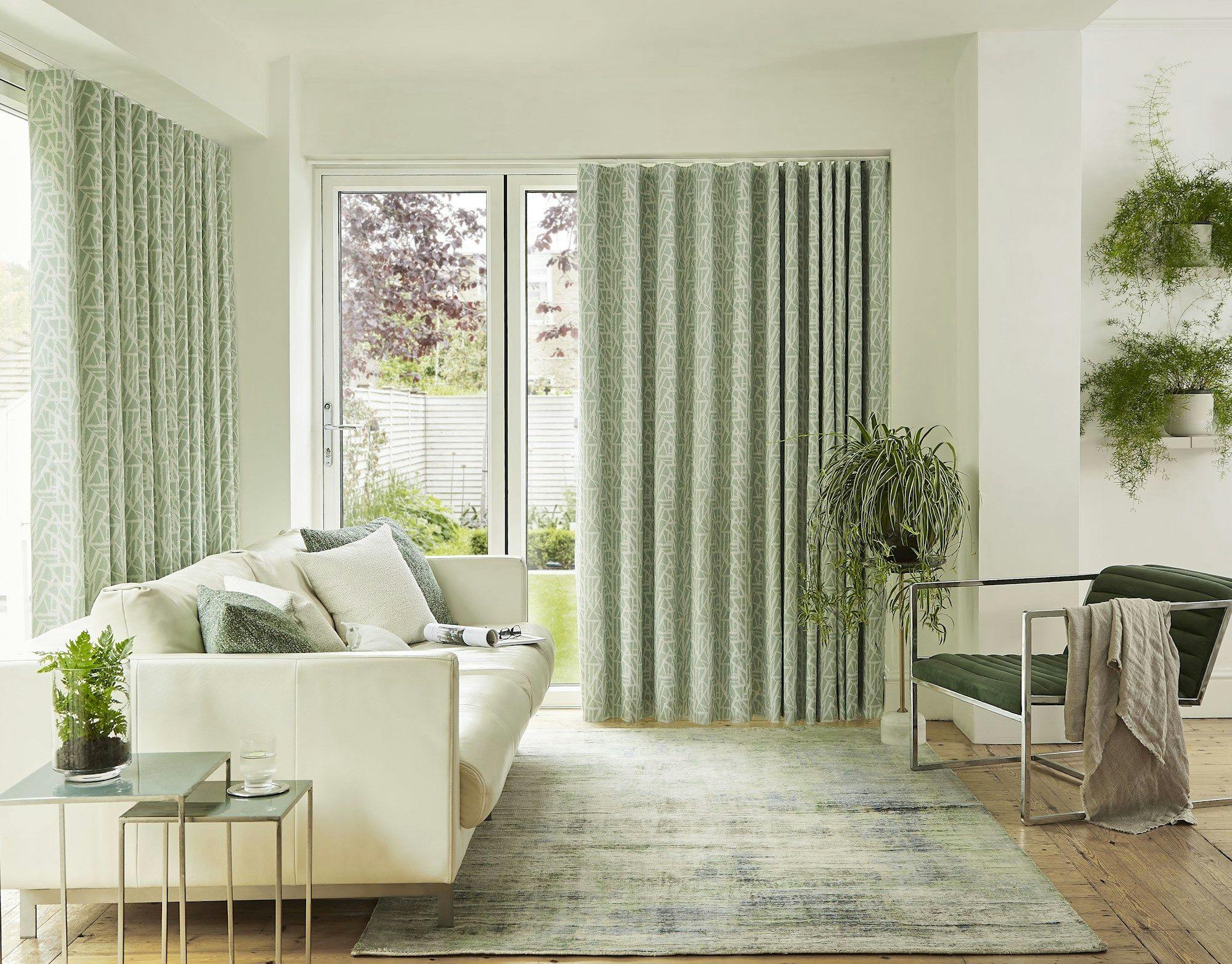
I know where you're coming from but I really think you'll find that vertical blinds have stepped out of the shadows in the last couple of years to become something of a style statement. They combine practicality and functionality with chic appeal and work well in many different situations throughout the home, not just at patio doors.

You can now even mix and match your louvres to get a truly
individual look. And many people are choosing them as a budget substitute to oh so trendy sliding panels, which of course would be an alternative to verticals if you have a little more cash to splash.
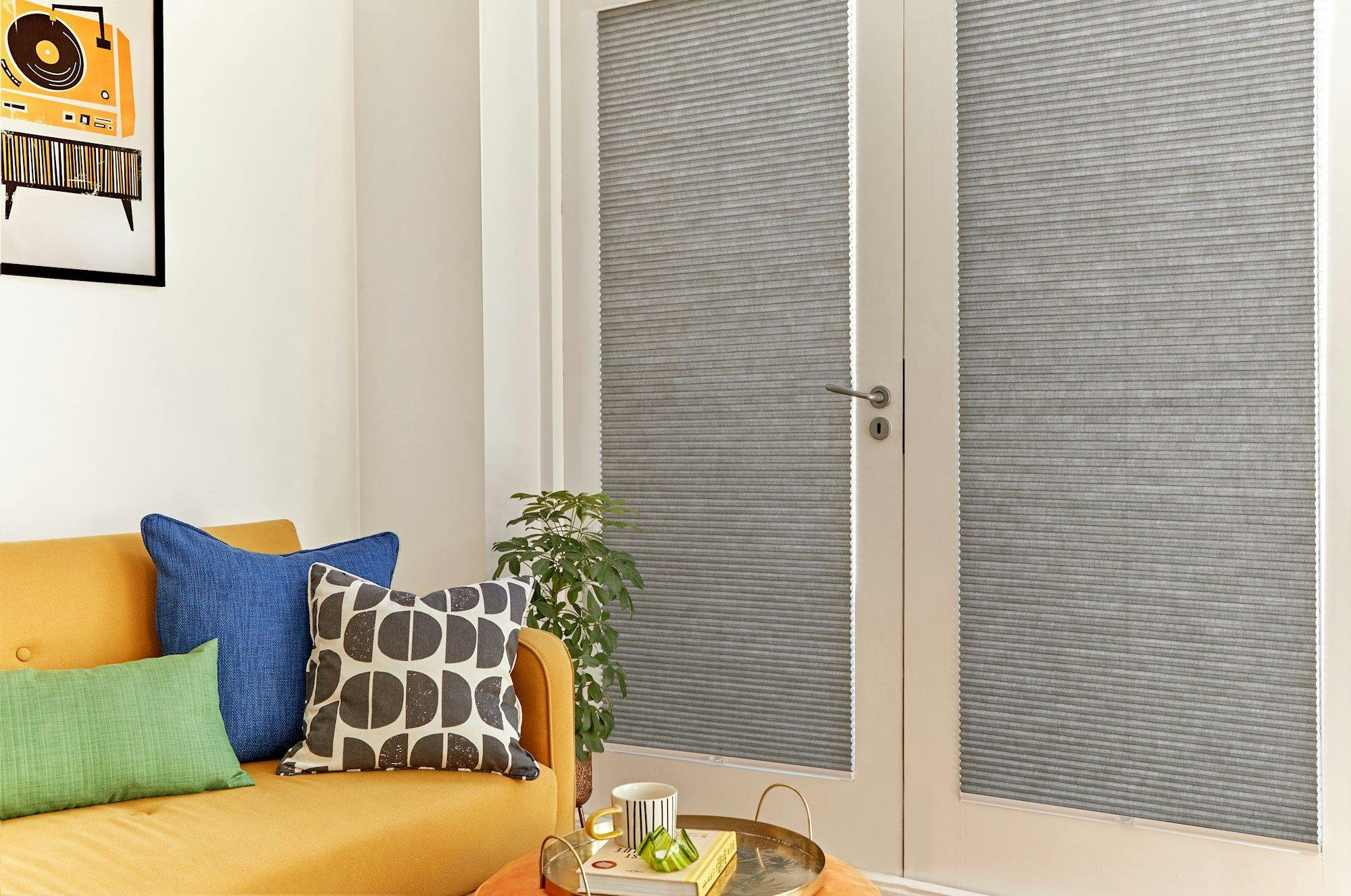
Pleated, venetian or roller blinds are also a neat option for patio doors as they fit snugly into the window recess to give a
sleek, no-fuss look.

I have a wide window. Which blinds are best and if I use several in a window, how do I split them?

A number of smaller blinds in one wide window operate more effectively than one huge blind for a couple of good reasons. Small blinds allow you to raise and lower each one individually to different levels to control the light coming into the room or to prevent sun glare coming in from one side of the window more than the other. Also, the
weight of a particularly large blind makes it very difficult to operate, especially if it's a wooden venetian or roman blind, where the fabric can actually bow the blind creating an unsightly 'V' shape.


If you are placing more than one blind in a single window, aim to line up each blind with the glazing panel frames. The width measurement for each blind is vital to ensure the blinds sit neatly beside one another with as little gap as possible and yet can still be individually operated. Where there aren't separate glazing panels then dividing the window into two or three is entirely a matter of choice.

However remember the light gap between blinds will not be concealed by the window frame and when there are three blinds, the middle one still has to have space for the operating mechanism, whereas if there are just two blinds the operating control can sit and each end of the window and not interfere with the appearance of
the blinds.

I want blinds in my conservatory but am worried about having holes drilled into the window frames as they're uPVC. Is there some way around this? Or is it safe to have the holes drilled?

The majority of blinds fitted into a conservatory are screwed in using very neat brackets and special fixings, especially with pleated blinds that are made to fit the shape of the roof. Different fixings for the side blinds need to take into account opening windows, window handles and doors.

However, drilling, screwholes and dangling cords could well become a thing of the past if the sides of your conservatory want a pleated and venetian blind option. Ask for Perfect Fit. This a system for 20mm pleated blinds and 15mm or 25mm venetians where the blind fits in its own frame exactly into the window frame giving completely free movement of the windows and doors creating a stylish
and contemporary look.

We are planning to put our house on the market in the very near future. Have you got any tips on which window dressings will help give the best kerb appeal?

In a buyer's market doing everything you possibly can to give your house the edge over the competition could mean the difference between selling or not. Windows are often the first thing you notice when you look at a house and if the window dressings are untidy and haphazard it can give a messy first impression. Roller blinds, all positioned at the same level, will give a clean and uniform look to the outside of your home.

Can you fit plantation shutters into a listed building?

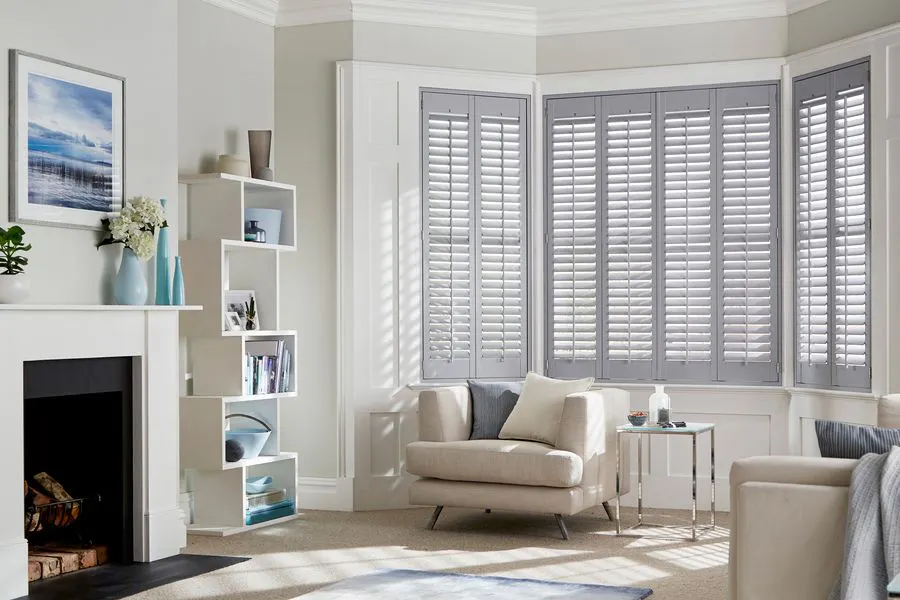
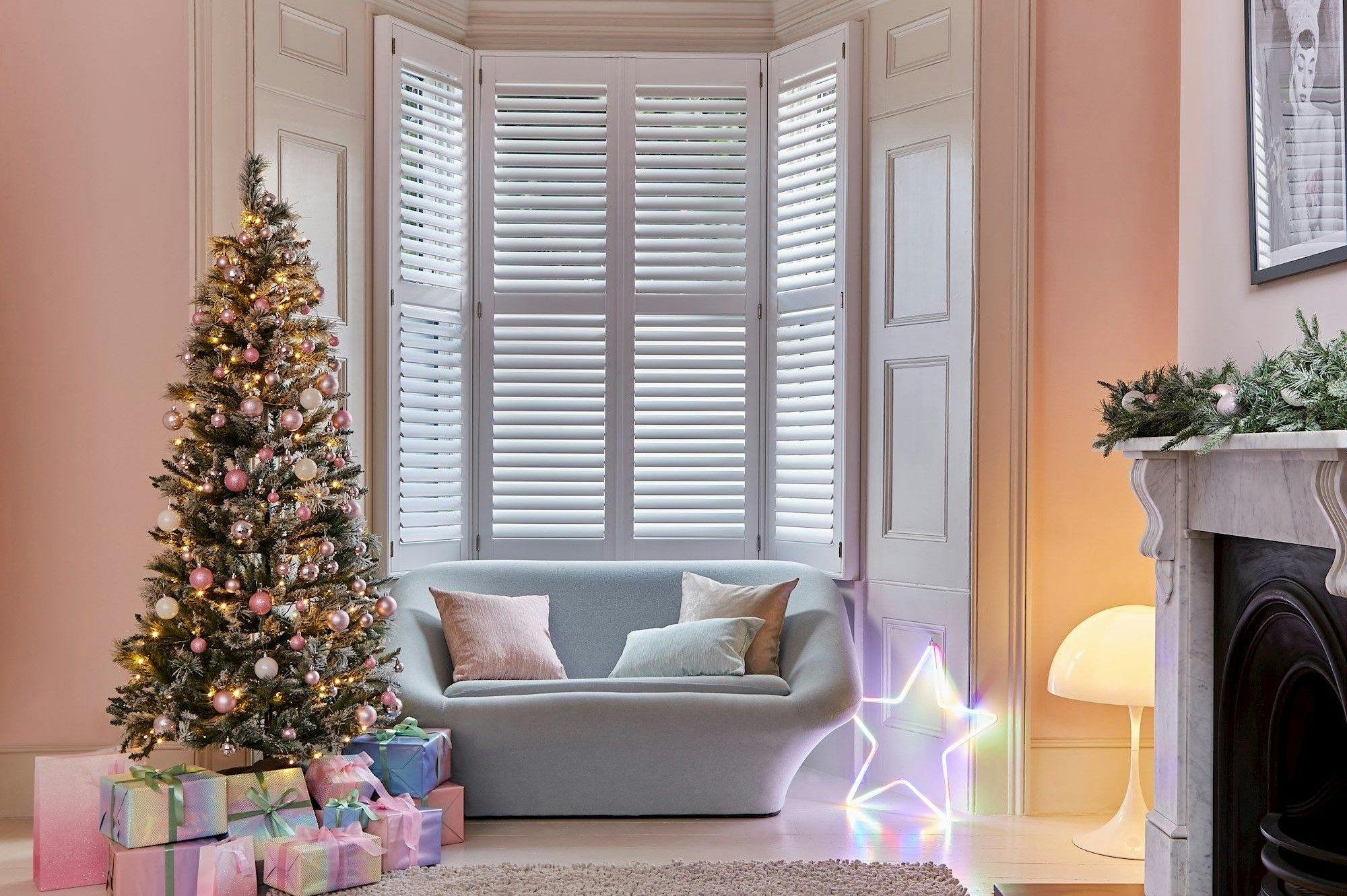
Yes you can as long as you're not changing the fabric of the building (ie: the actual windows, window openings/doors and so on). They're a great solution for awkward and unusual shaped windows where any other form of dressing can be tricky as they are hand made and can fit virtually any shape. They are also considered a fixture and a way to
increase the saleability of your home.

We've recently moved into a Georgian house with lots of quirks and features including arched shaped windows in the sitting room. At the moment they are obscured by curtains which block out too much light but we do need something
there for privacy and light control. We're not sure what else would work in such an unusual shape.

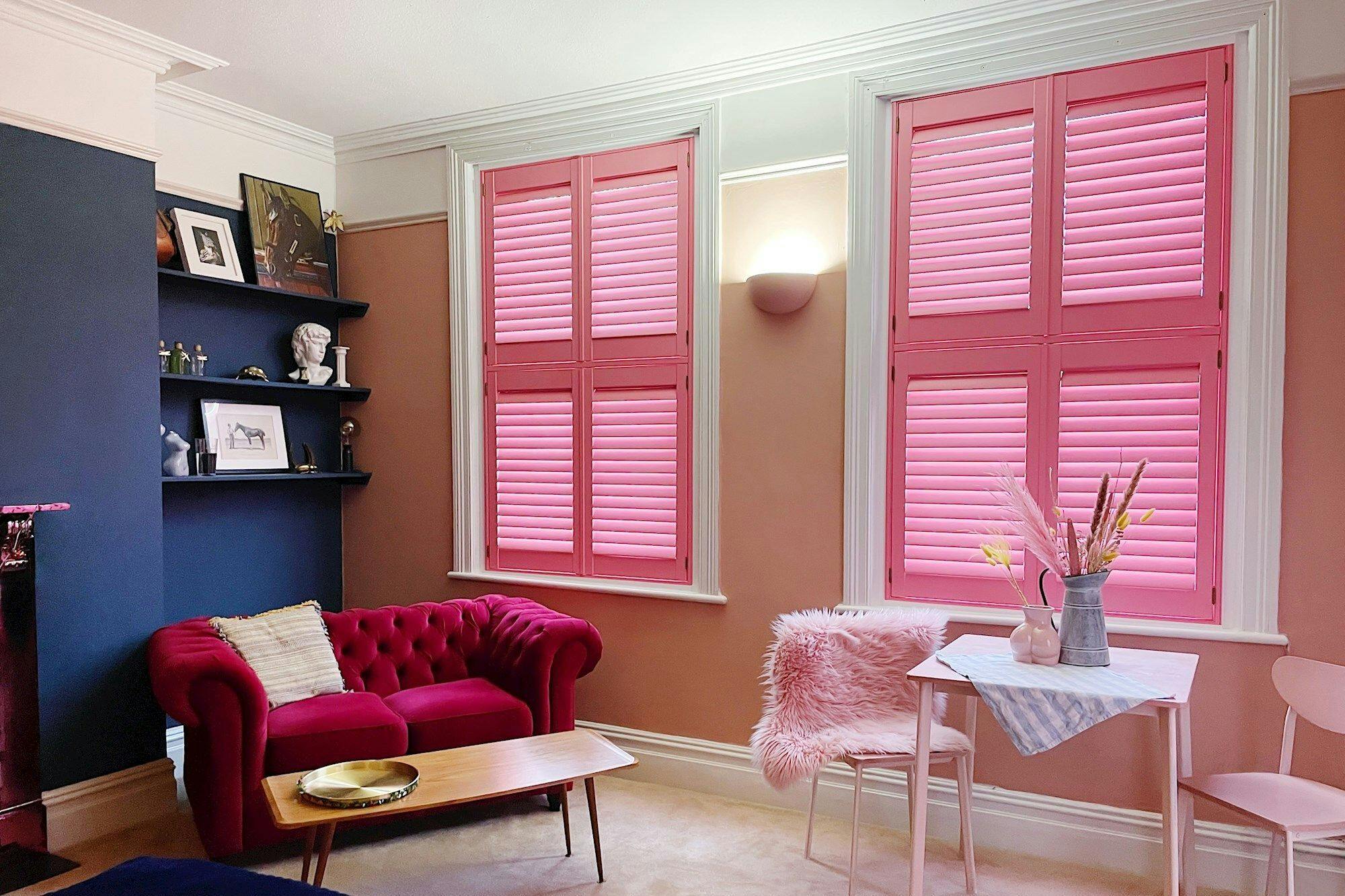
A good way to accentuate the arch would be to opt for shutters as these complement the period and even more importantly can be made to fit more or less any awkward or unusual shape.

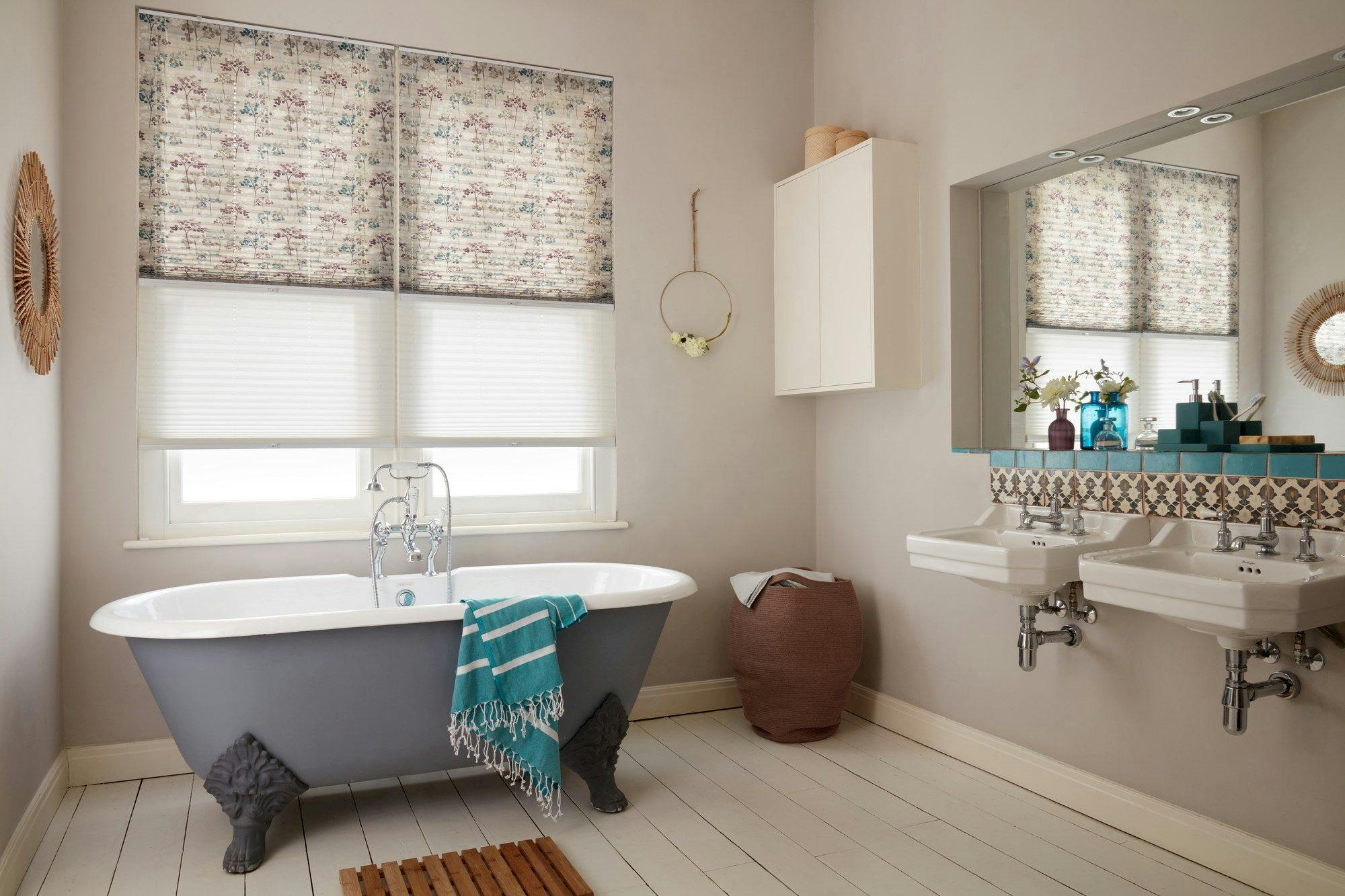
I've got lovely sash windows in my bathroom so I'd like to keep any window covering to a minimum, just enough to protect our modesty! I've heard about 'pull-up' blinds but I'm not sure how they work? Can you advise?

A 'Half-up' blinds is just a normal roller blind that is fixed at any point halfway down the window (often where a window bar is) and drops down to the window sill covering just half the window. Alternatively a pleated blind can also fit at the halfway point of a window and is
guided by wires making them more contemporary than nets for privacy, but leaving the top-half of the window unobscured for light.

My uPVC windows have very small recesses with prominent handles that I currently dress with curtains because it's always seemed the easier option. Is it possible to have blinds?

Yes you can. Your best bet is to either opt for a reverse roll roller blind - this is when the barrel is turned round so that the fabric comes off the front of the barrel rather than the back. This creates a bigger gap so rather than the fabric sitting close to the glass, it creates a bigger gap and therefore misses the handles on a uPVC window. You could also opt for a perfect fit blind which fits onto uPVC frames to hold either a pleated or enetian blind. Both will give a nice, neat finish.

We're keen to do all that we can to reduce fuel bills and make our house as energy efficient as possible. What window treatments do you recommend to help achieve this?

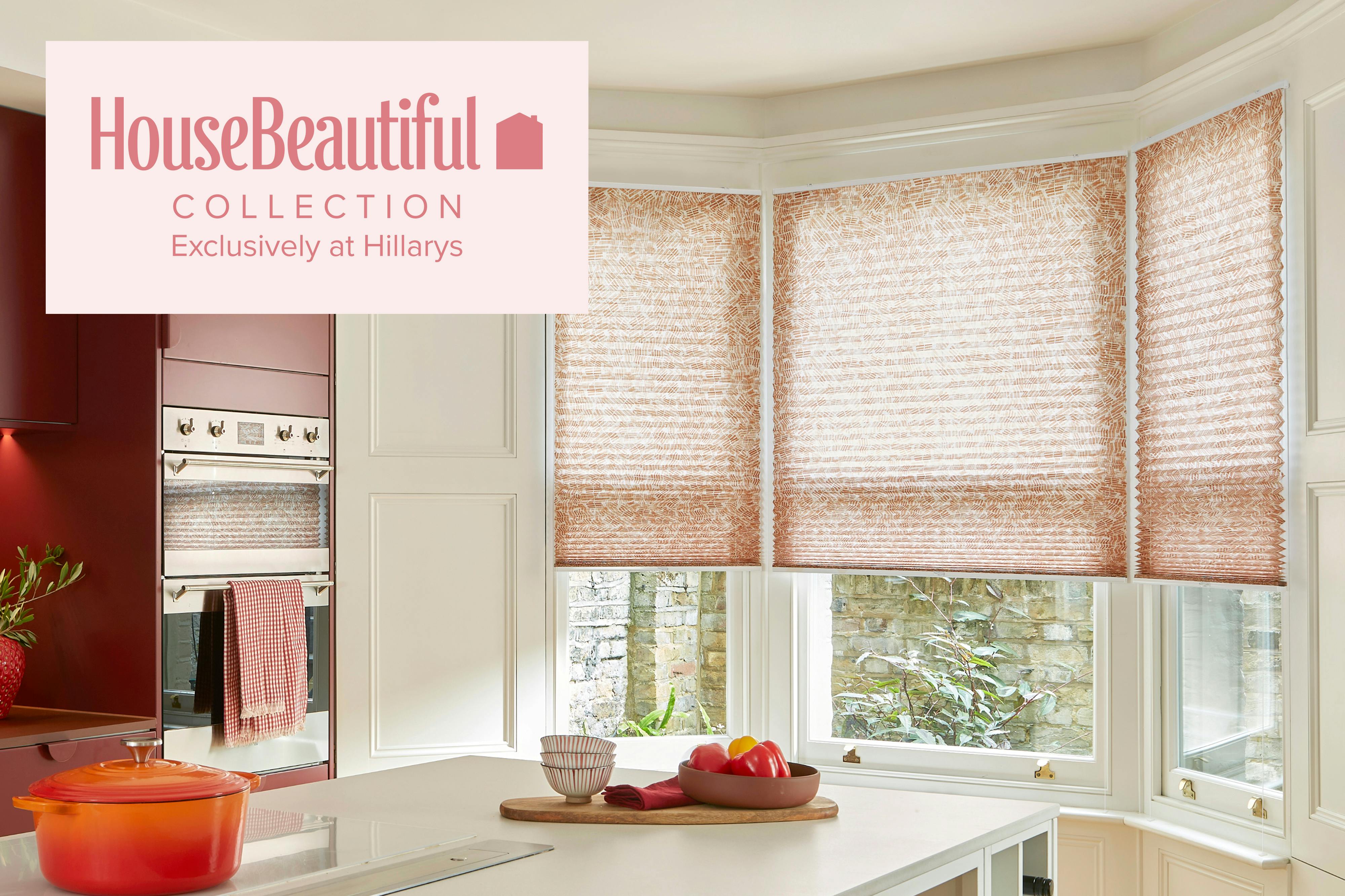
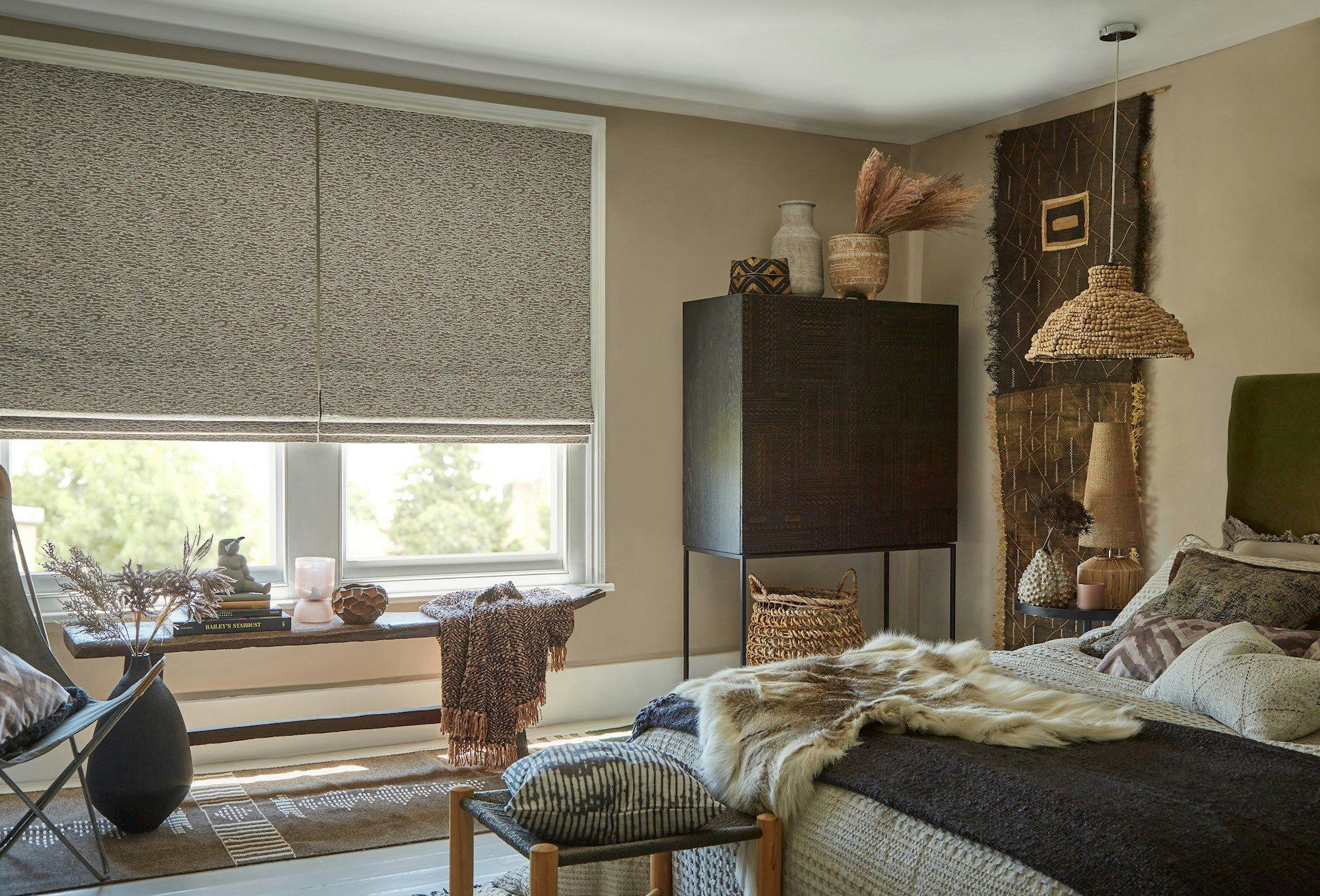
Homeowners can make savings of up to £102 a year on fuel bills by selecting the right window dressing, according to research conducted by Nottingham University on behalf of Hillarys Blinds. The study compared and evaluated various blind and fabric types, with Hillarys lined roman blinds coming out on top as the most energy
efficient, with their honeycomb and pleated blind with a sun reflective coating on the back, a close second and third. Cascade Romans like these which fall in lovely soft waterfalls of fabric are the most energy efficient blinds of all. Perfect for a cosy bedroom.

There's a bright streetlight outside my young son's bedroom window which lights up the room even when the curtains are drawn. Are there any blinds that would help so he, and I, could get a better night's sleep?

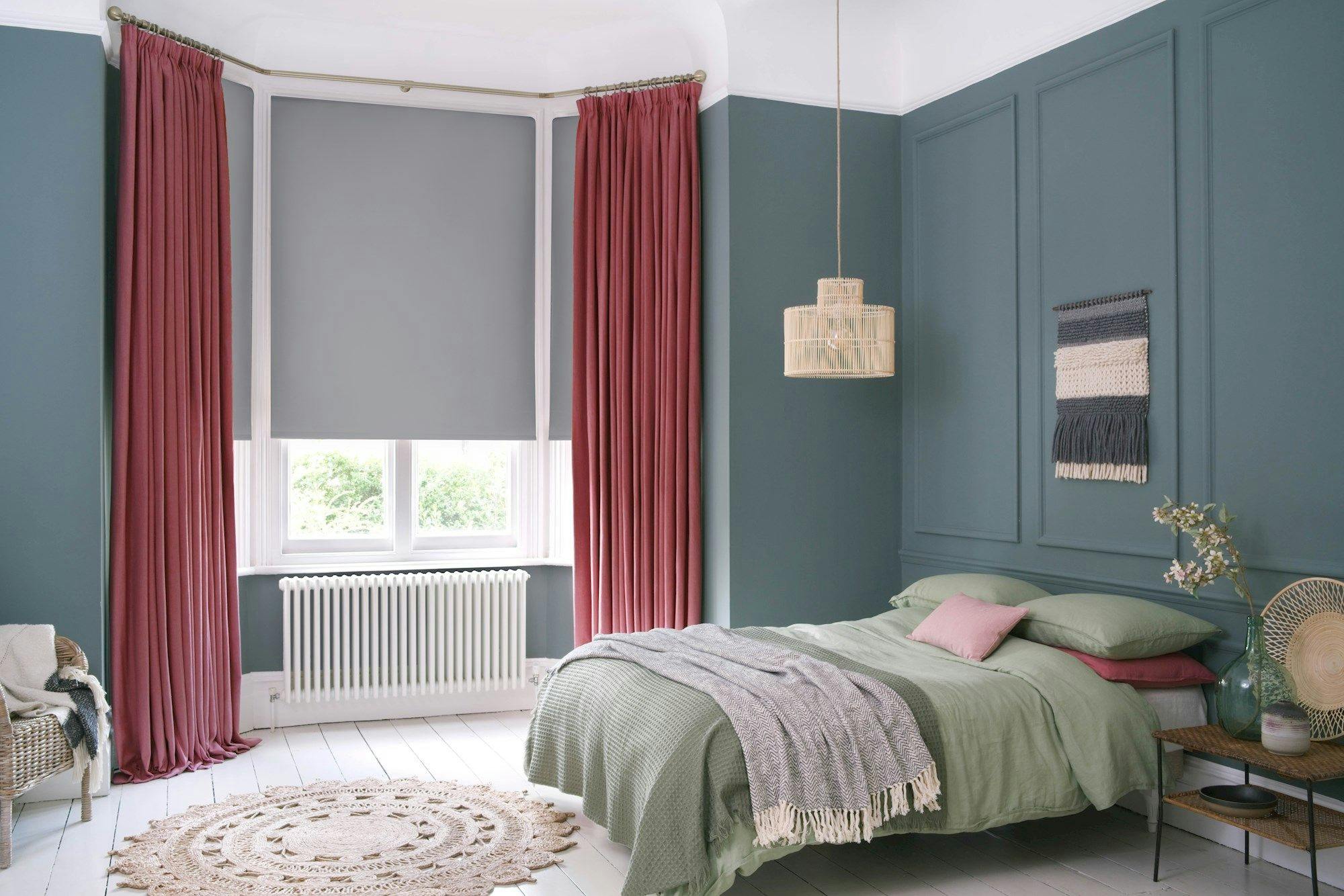
Too much light coming into a bedroom, whether artificial or natural is an issue for many people, adults and children alike. There are however a number of different ways to minimise the effect this can have.

A blackout roller blind is specifically designed to block out the light and if teamed with curtains can be pulled neatly out of the way during the day. Alternatively, a fully lined roman blind with a special blackout function will also cut down the light.


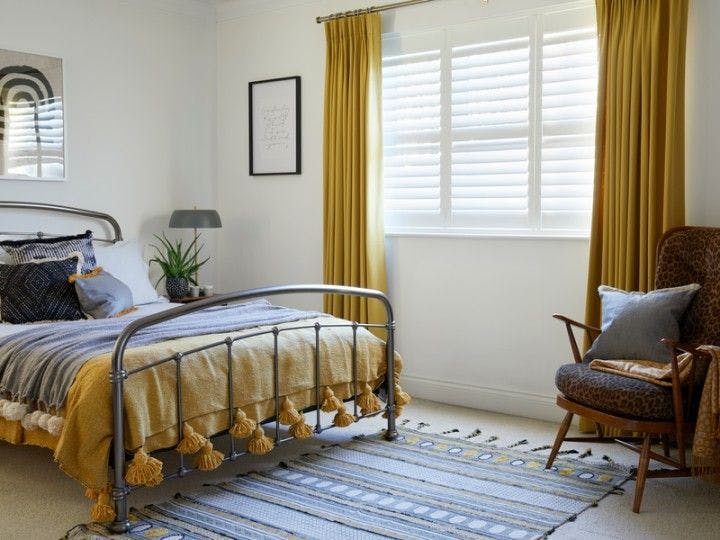
Shutters are another good option as they fit completely into the window recess, effectively closing off any gaps at the side that could be left by curtains or blinds. Shutters also help to reduce external noise, another benefit which could help you and your son sleep more soundly!

How can I make my conservatory a room for all seasons?

A conservatory without blinds is like a swimming pool without water! Nice to have but pretty useless! By adding blinds you can turn it into a room that you can use everyday, all year round. Pleated blinds with a sun reflective backing will help to keep the conservatory cool in summer and retain the heat in winter. Blinds around the side will give you privacy and help to create the look and ambience you're
after. We like the idea of using a conservatory as an intimate dining room.

We've just converted our loft and would like to know which blinds we can use to fit into the skylight windows. What do you suggest?

The chances are that you'll have a skylight or sloping window or perhaps a combination of both! Skylight window roller blinds aren't just restricted to Velux windows, they can be made to fit any window and are pulled up and down within their frame and easily positioned to allow the perfect amount of light into your room.

Pleated blinds are another good option. The 'tab' version has rails at the top and bottom, which are fastened to the window to keep it securely in place. Both are very practical so you just need to decide
whether you'd like a simple look or blackout fabric with rollers, or soft, filtered light with pleated blinds.

Vertical blinds are the best solution for sloping windows as they can be fitted to a sloping headrail. And some verticals have co-ordinating roller fabrics, so you can have the same colour and design at both windows if you wanted.

We've just finished renovating our bathroom and I'd really like some wooden venetian blinds to finish the look and give a seaside feel. However, I'm worried about condensation
ruining them. What do you suggest?

Choosing the right window treatment for a bathroom can be tricky. Privacy is essential but you also need to take into account that splashes and steam can wreak havoc on some curtains and blinds. Aluwood Venetian blinds are an ideal solution. They have all the good looks of driftwood as shown here but being made of aluminium, can handle compensation and simply wipe clean.

I am asthmatic and therefore do everything possible to make my home as allergy free as possible. What should I consider when choosing window dressings?

Our roller blind fabrics have a protective coating primarily to shield against household wear and tear caused by humidity and condensation. However, this coating also acts as the perfect barrier to stop dust mites burying into the fibres and ultimately producing the spores that can cause allergies.

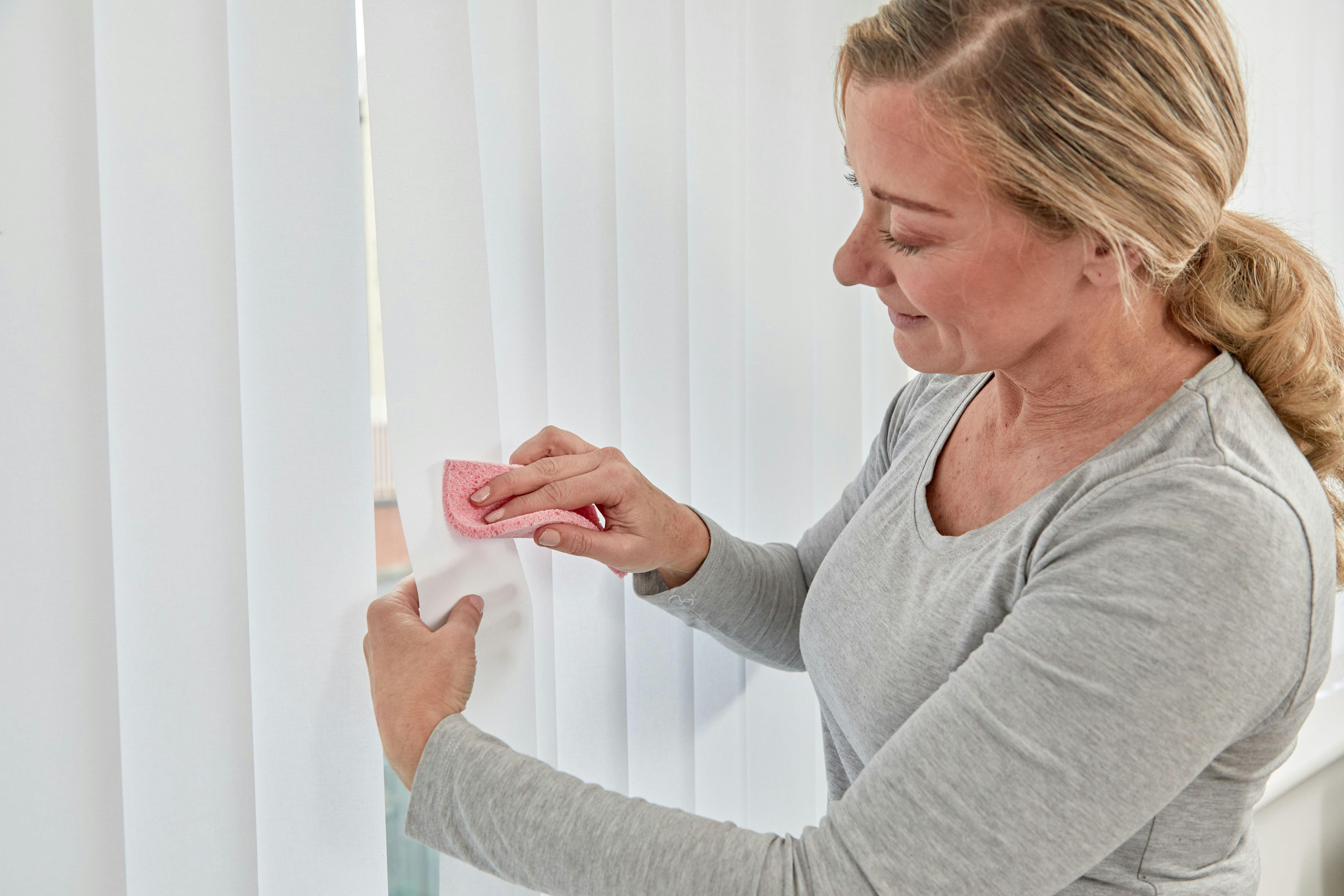
A vertical blind is the modern alternative to a net curtain and is perfect for large windows where swathes of fabric can be a magnet for mites. Until fairly recently, verticals were viewed as rather utilitarian and 'officey' but they are incredibly versatile and very much coming into their own from a style point of view. Like roller fabric, the louvres are coated to ensure they hang correctly and again this makes them rather unattractive to dust mites!


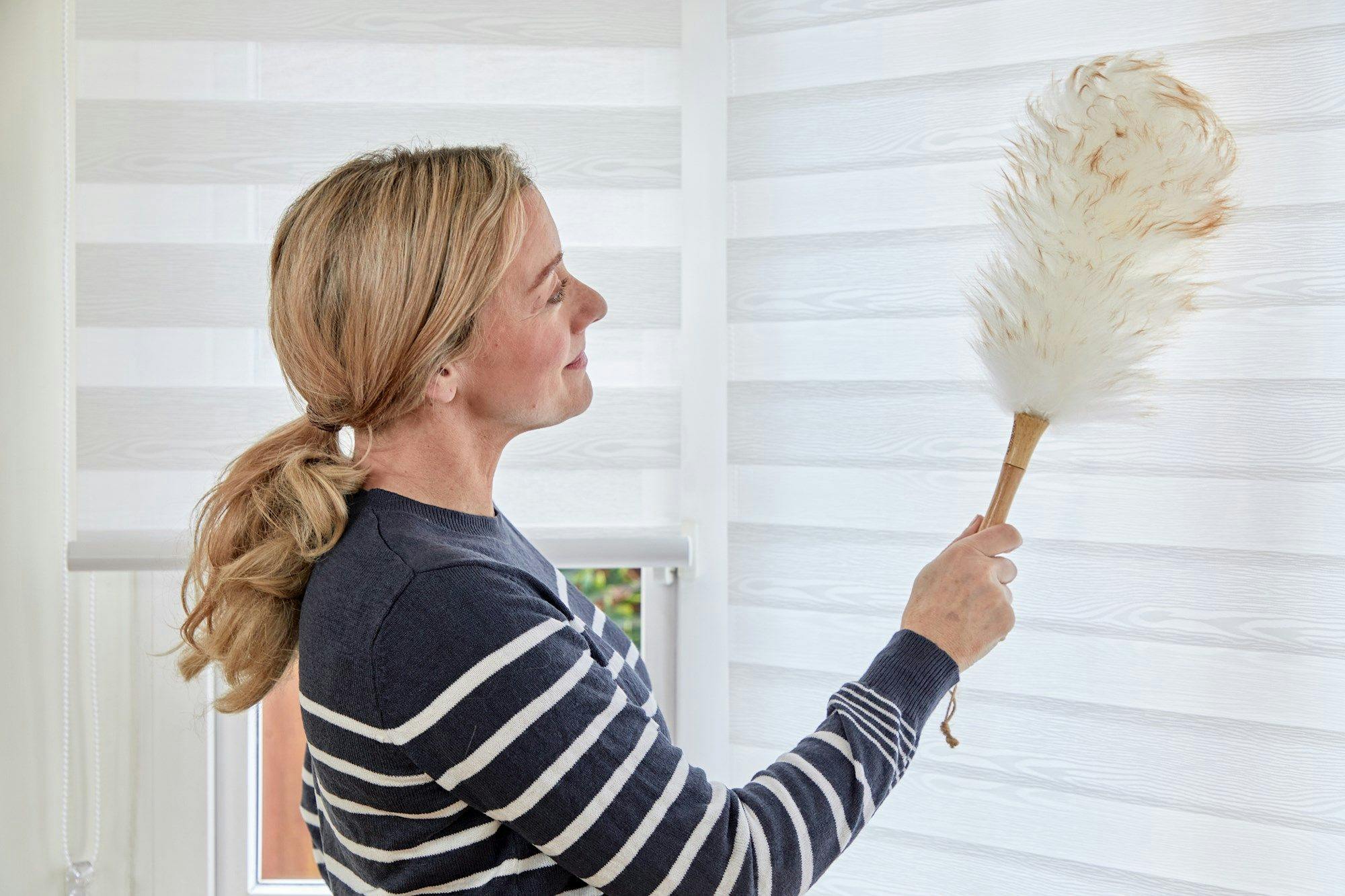
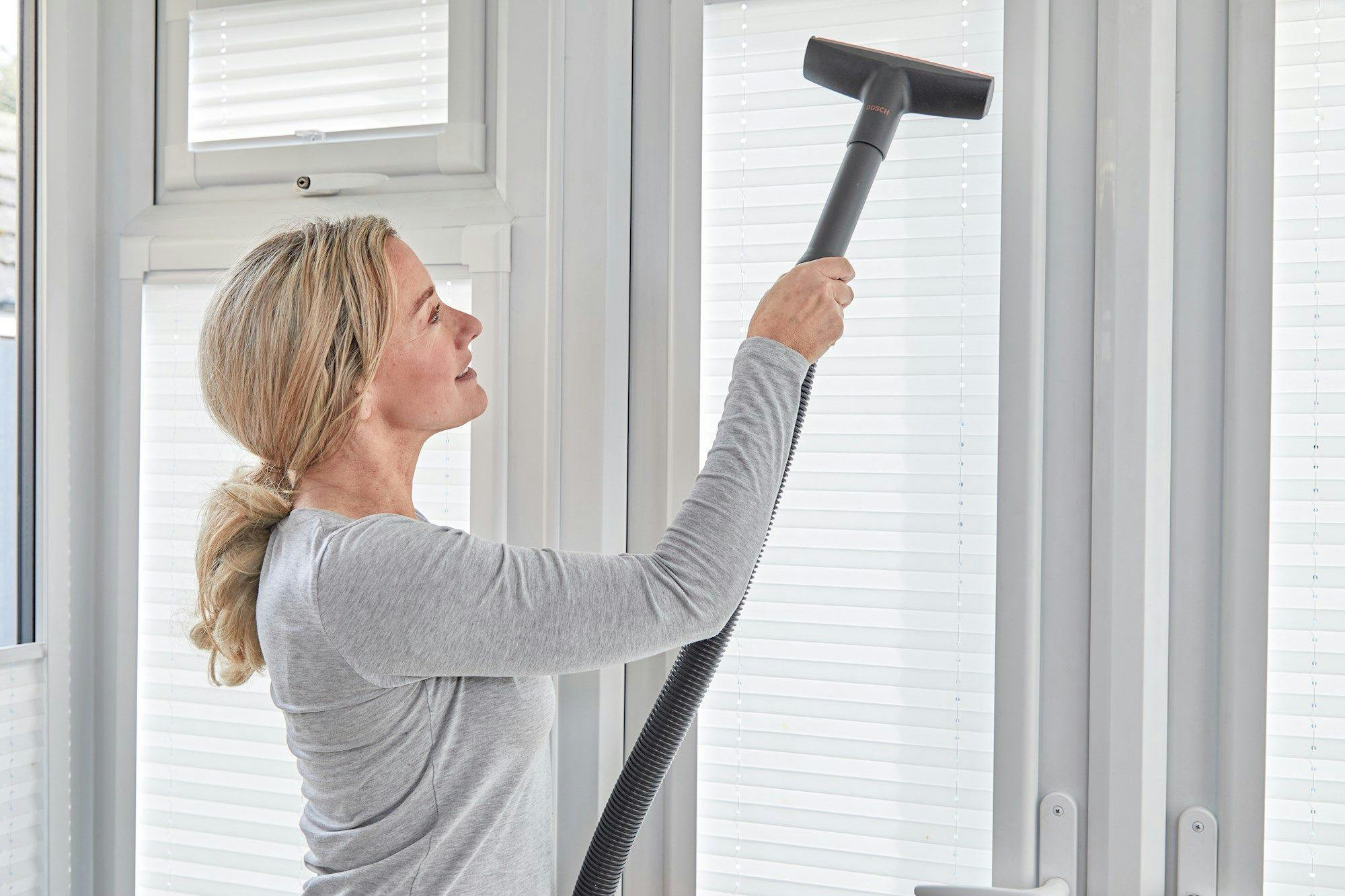
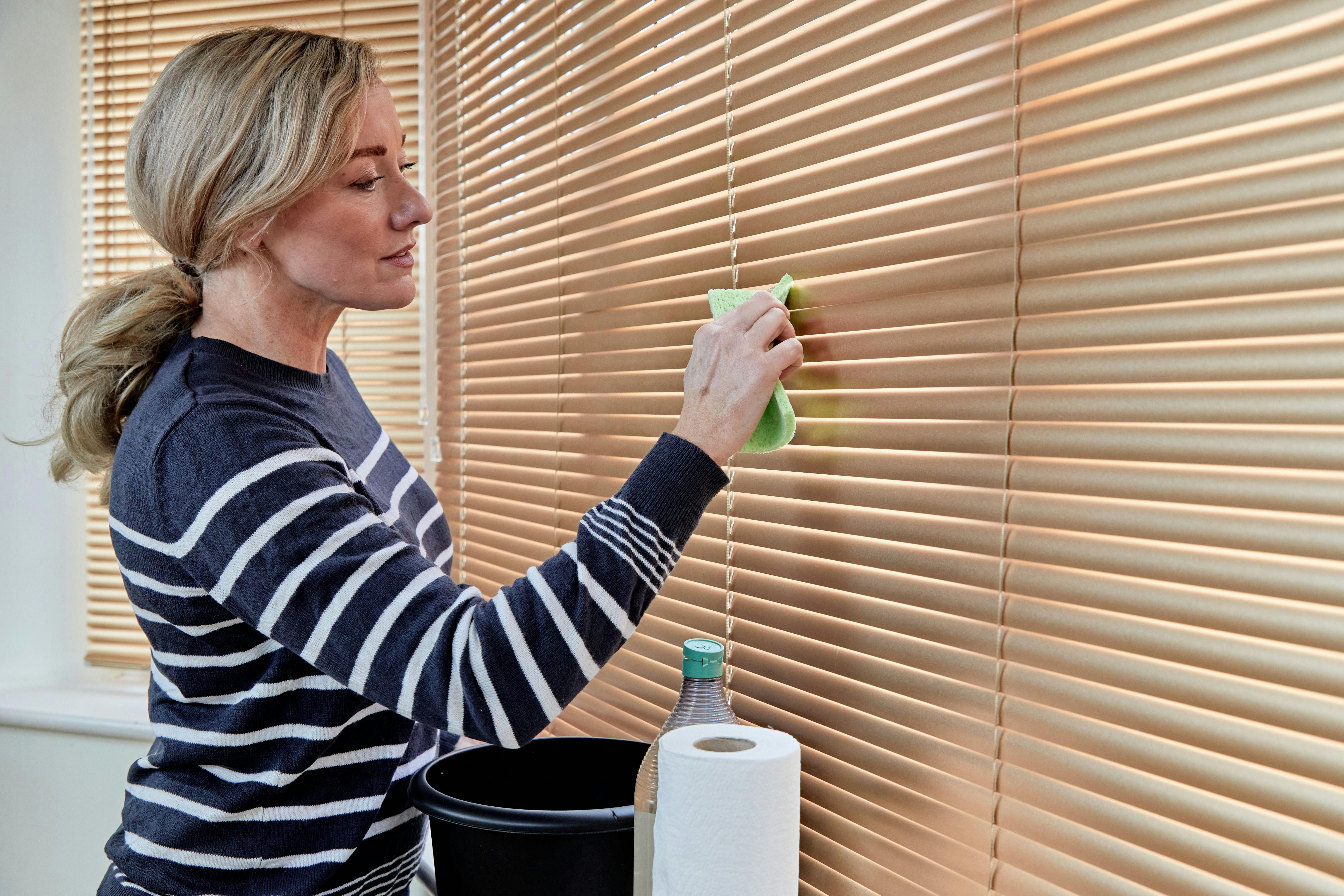
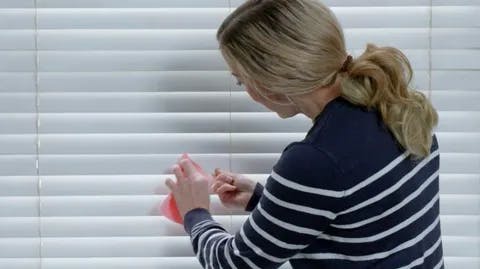
Venetian blinds control the light brilliantly and can easily be wiped clean to prevent dust gathering. And of course, the same applies to wooden shutters. Although more pricey than blinds they are regarded as the ultimate window dressing, both from a style and security point of view and as long as they're regularly cleaned and dusted, a safe haven from bugs and beasties! Versatile verticals make great allergy busting window dressings.

We've got two large bay windows and are unsure on the best way to dress them. We love the light that floods into the house but also need to consider privacy.

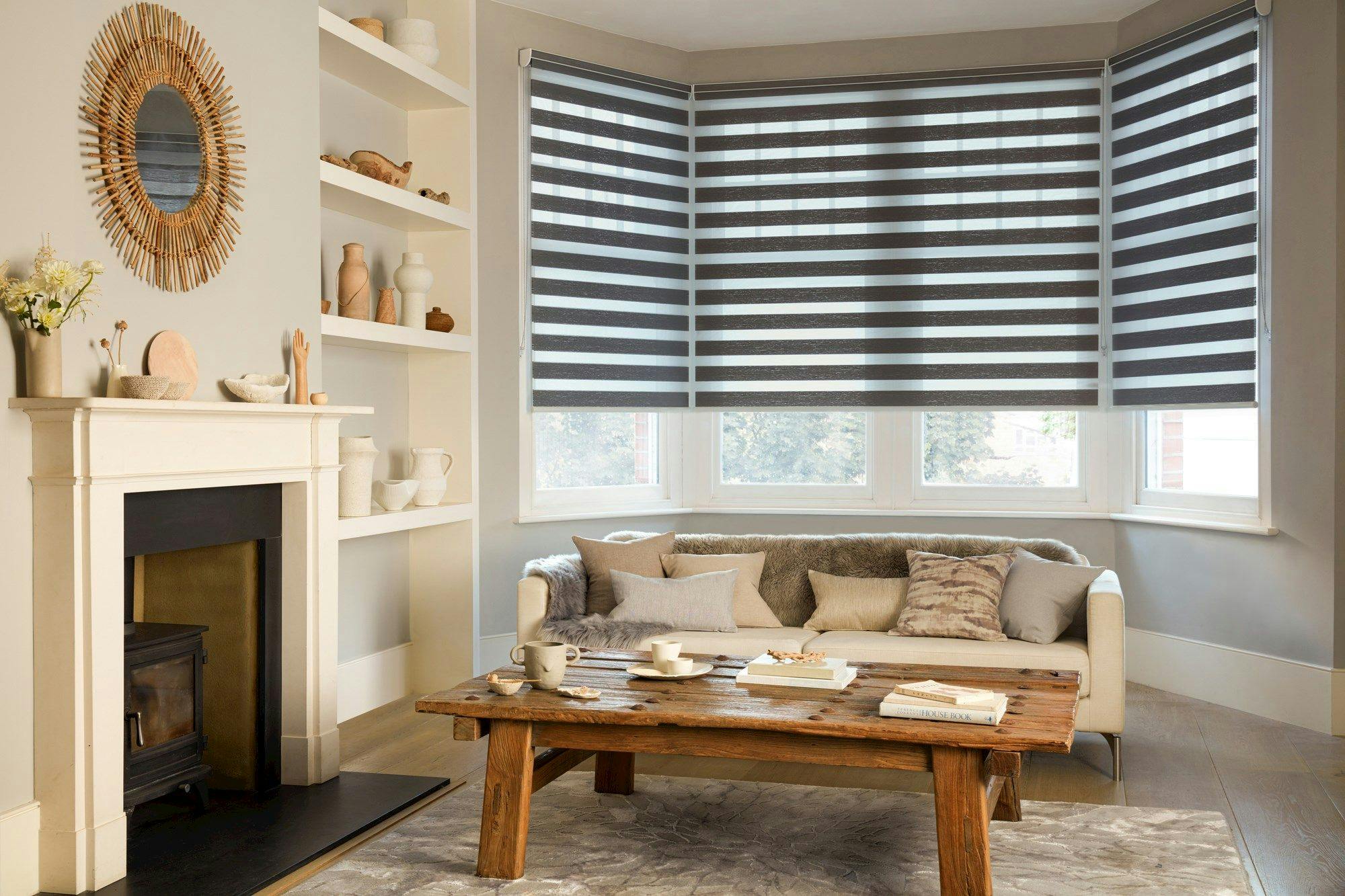
One of the most attractive features of Victorian and Edwardian homes is that they typically have one or two bay windows at the front. And as you say they allow in plenty of light during the day but at night they can leave you feeling a little exposed. The traditional option would have been to dress the windows with a set of curtains and the Victorians often had one set for summer and another, thicker
pair for winter.

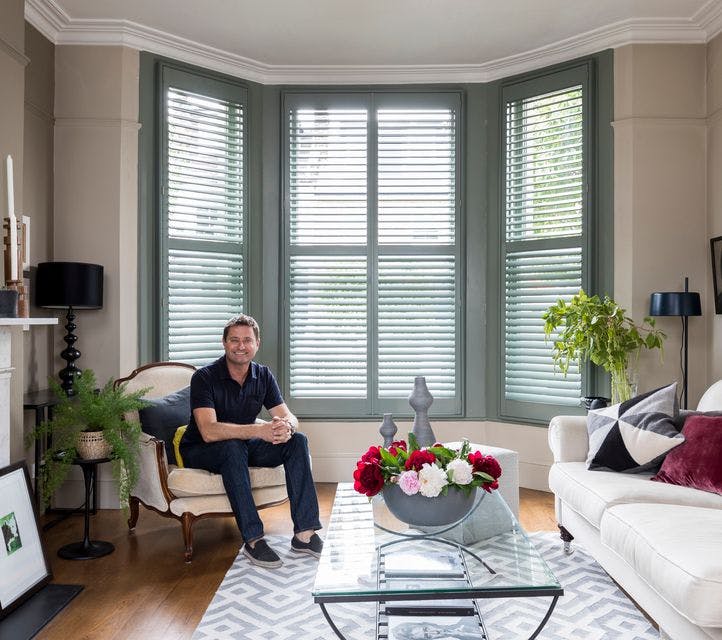
Many of us now prefer a simpler, more contemporary look and you can get this with roller, roman, venetian or vertical blinds or shutters. It's really down to personal preference and budget.

A vertical blind is a practical and cost effective choice as it can be made with a perfectly fitted curved headrail which allows the blind to be operated with one smooth movement and cuts out the need for more than one set of controls (which can look a bit messy). You can also buy a spare set of lightweight loures for the summer.

We love our large open plan living space but want to create zones within the space for an office and dining space. What is the best way to do this without losing the light and airy feel?

In recent years open plan living has become a concept for living that many of us aspire to. Whether it is a penthouse in a converted industrial building, or simply a terrace with internal walls knocked through, we all seem to be exploring ways to maximise light and space.

It can be daunting though and many of us still need separate zones for different requirements. Sliding panel blinds are the ideal way to create distinct lifestyle zones within open-plan areas, for example dividing an office from a living space or a kitchen from a dining room.

You can also separate work from play by using a versatile venetian blind to create the perfect businesslike dividing screen to shield the office whilst providing a stunning backdrop to the living area.

We've just downsized to a smaller house and the children's playroom needs to double up as a guest room for visitors. As you can imagine it can take an army to clear away all the kids'
paraphernalia - do you have any tips on keeping mess to a minimum?

Shelves can become a real clutter magnet, so why not invest in a smart cover-up using roller blinds? With prices starting at £33, measured, made and fitted they provide the perfect solution for quickly hiding unsightly shelves and cupboards.

Blinds can often be viewed as too contemporary and not in keeping for an older property, what is the best way to use
them in period houses?

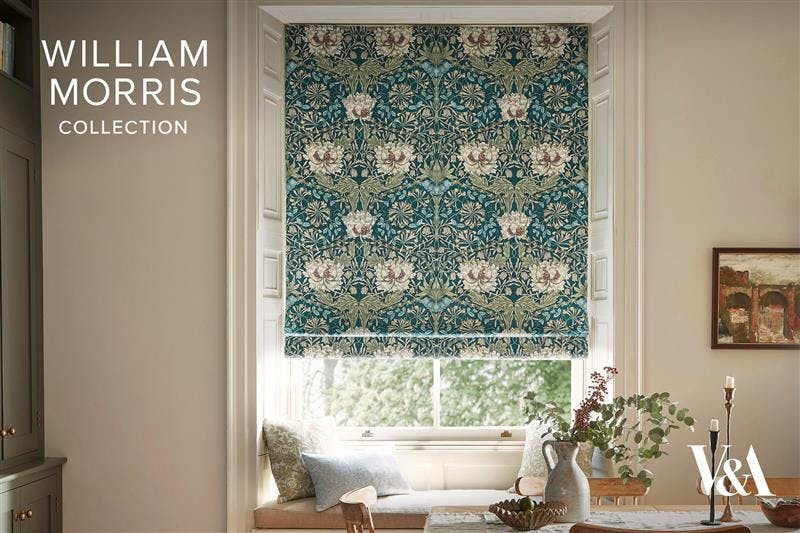
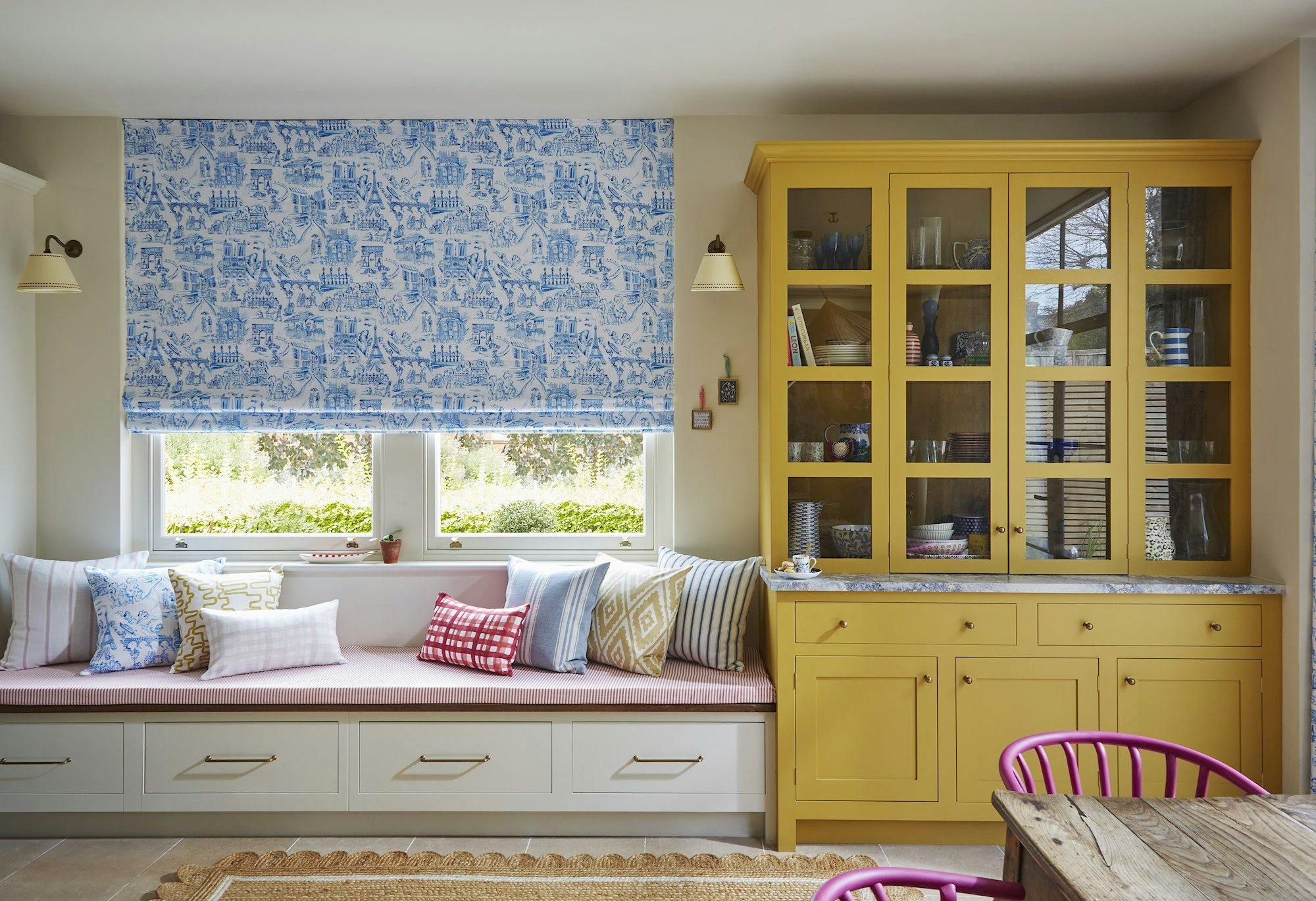
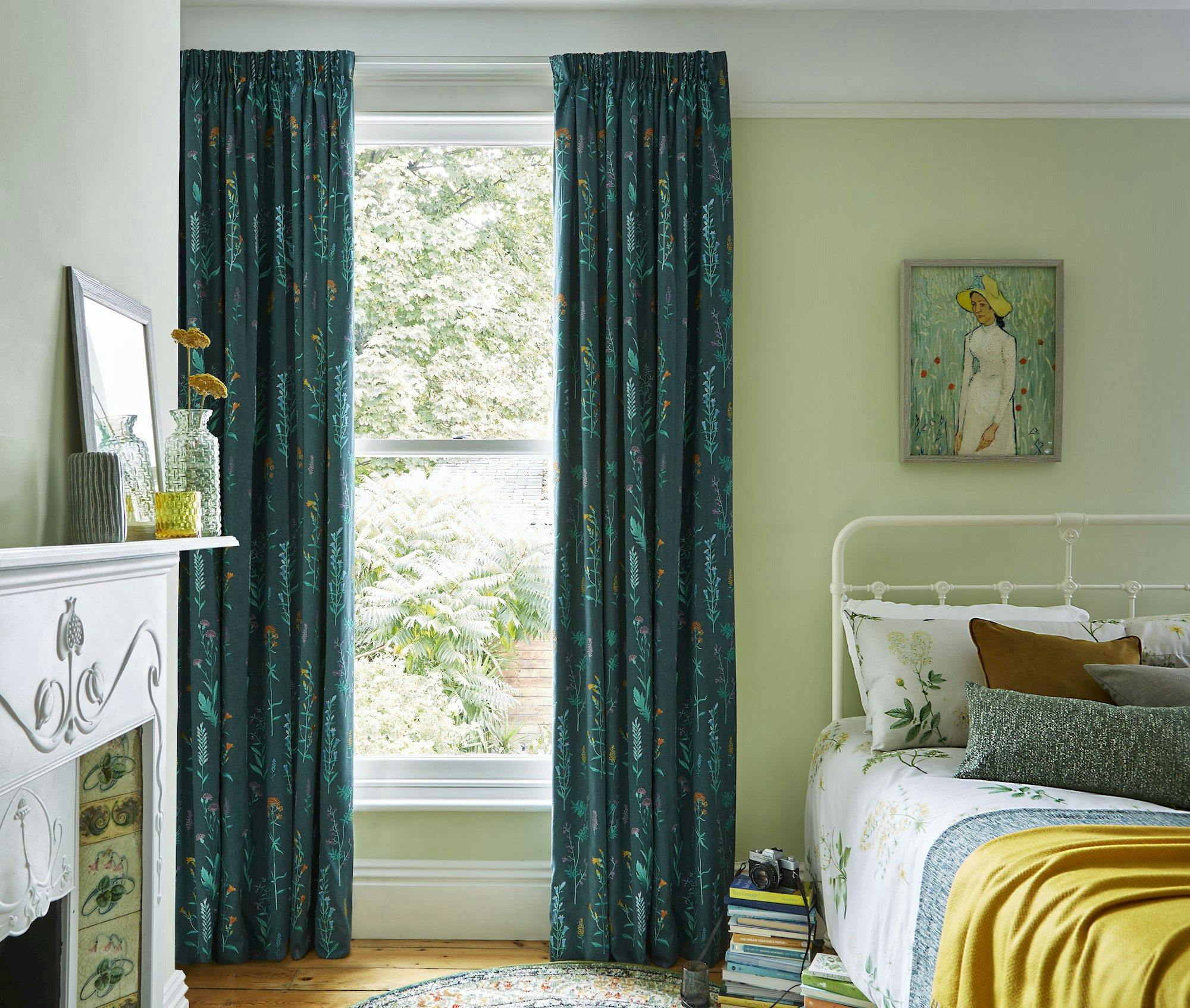
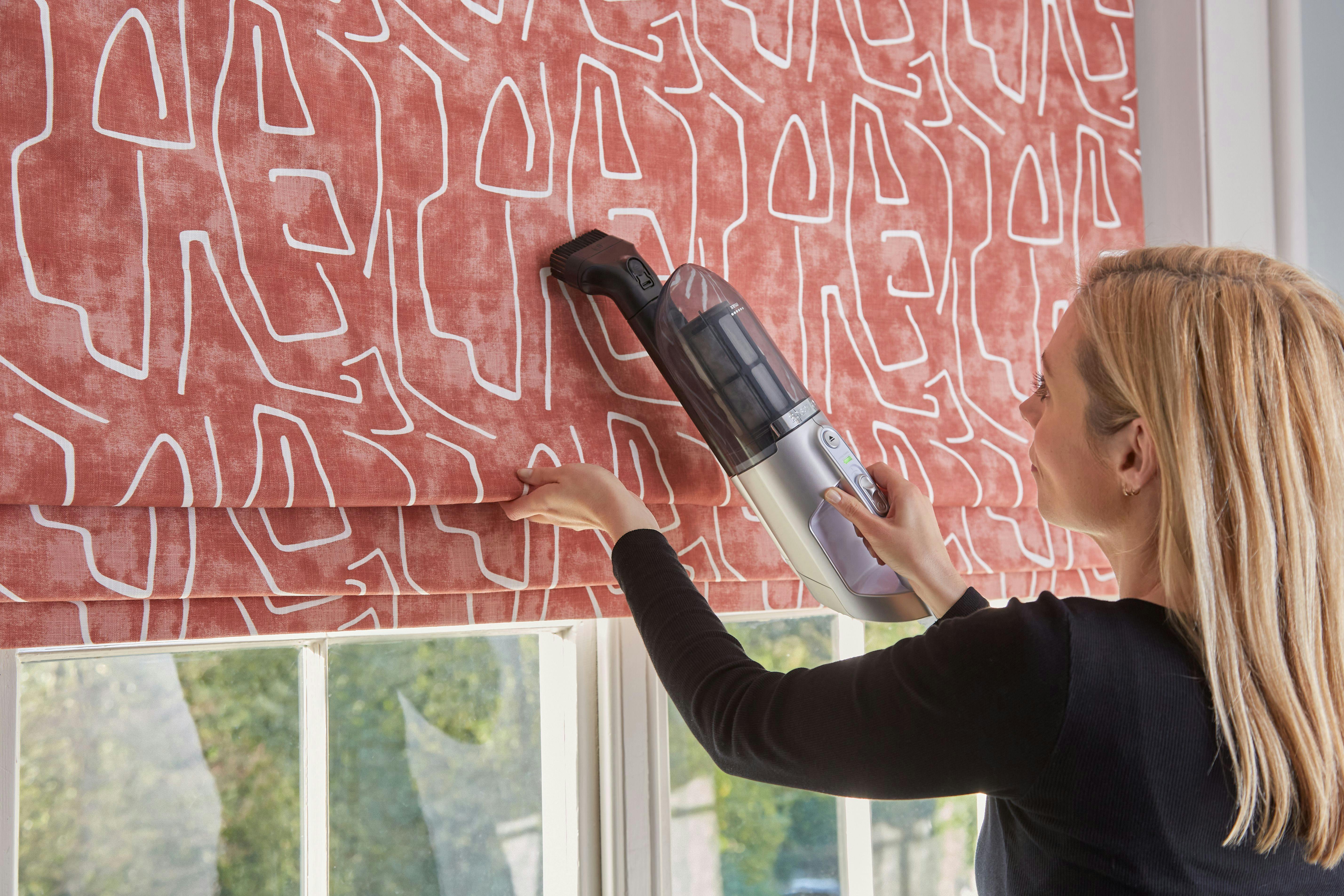
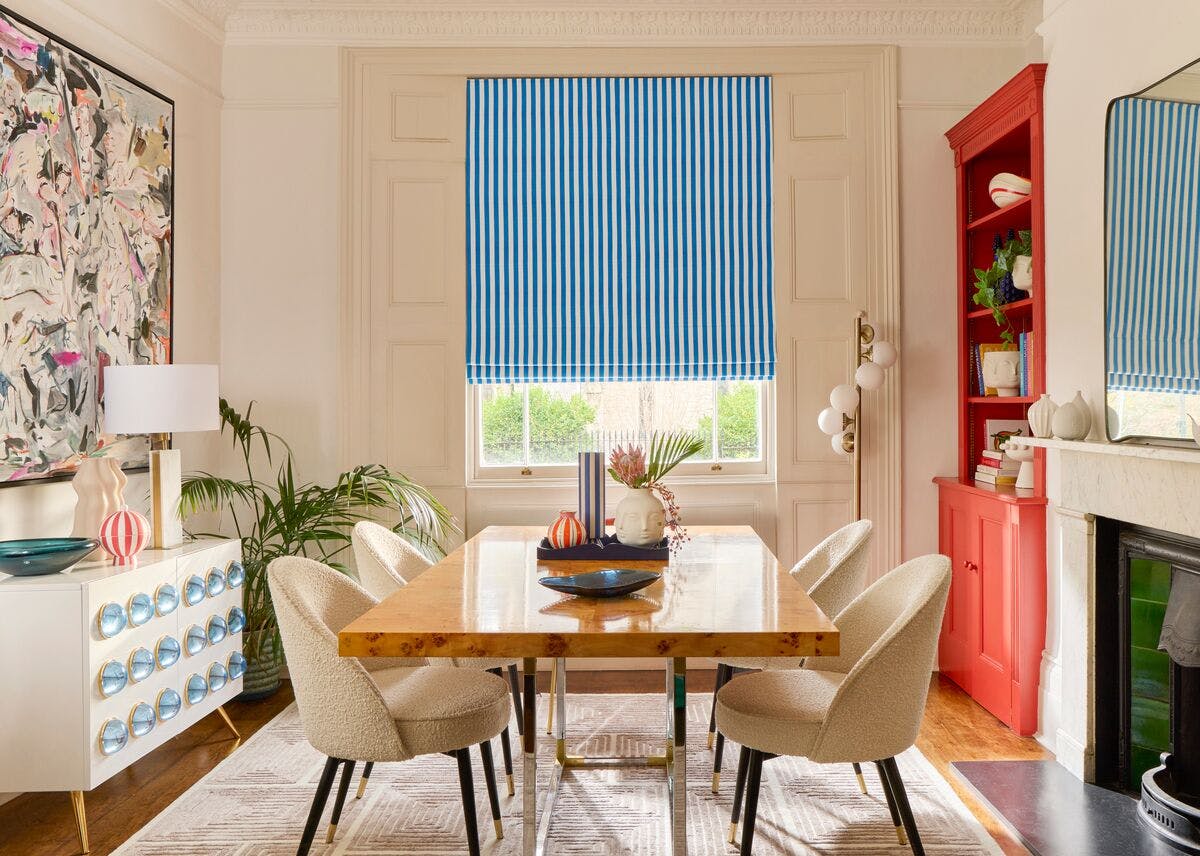
Fully lined roman blinds give a clean, yet classic look that looks great in period or traditional properties. They fit snugly into the window recess allowing those beautiful period features to stay on view. Try this stunning design inspired by the Rennie Mackintosh era.

We have a house-boat with two circular 'port-hole' type windows. What blinds would you recommend?

Shutters can be made to fit into your small port hole, giving extra security and privacy on your boat.

Download pdf version