
Request an appointment
  • Price Promise

  • Rated Excellent

  • Fully Guaranteed

  • Finance Options Available

Hillarys homepage0800 916 65240800 916 6524Request a brochureRequest an appointment

What is colour drenching? How to use this vibrant design trend

Victoria Robinson product manager Author Victoria RobinsonProduct ManagerWritten 18/08/2026
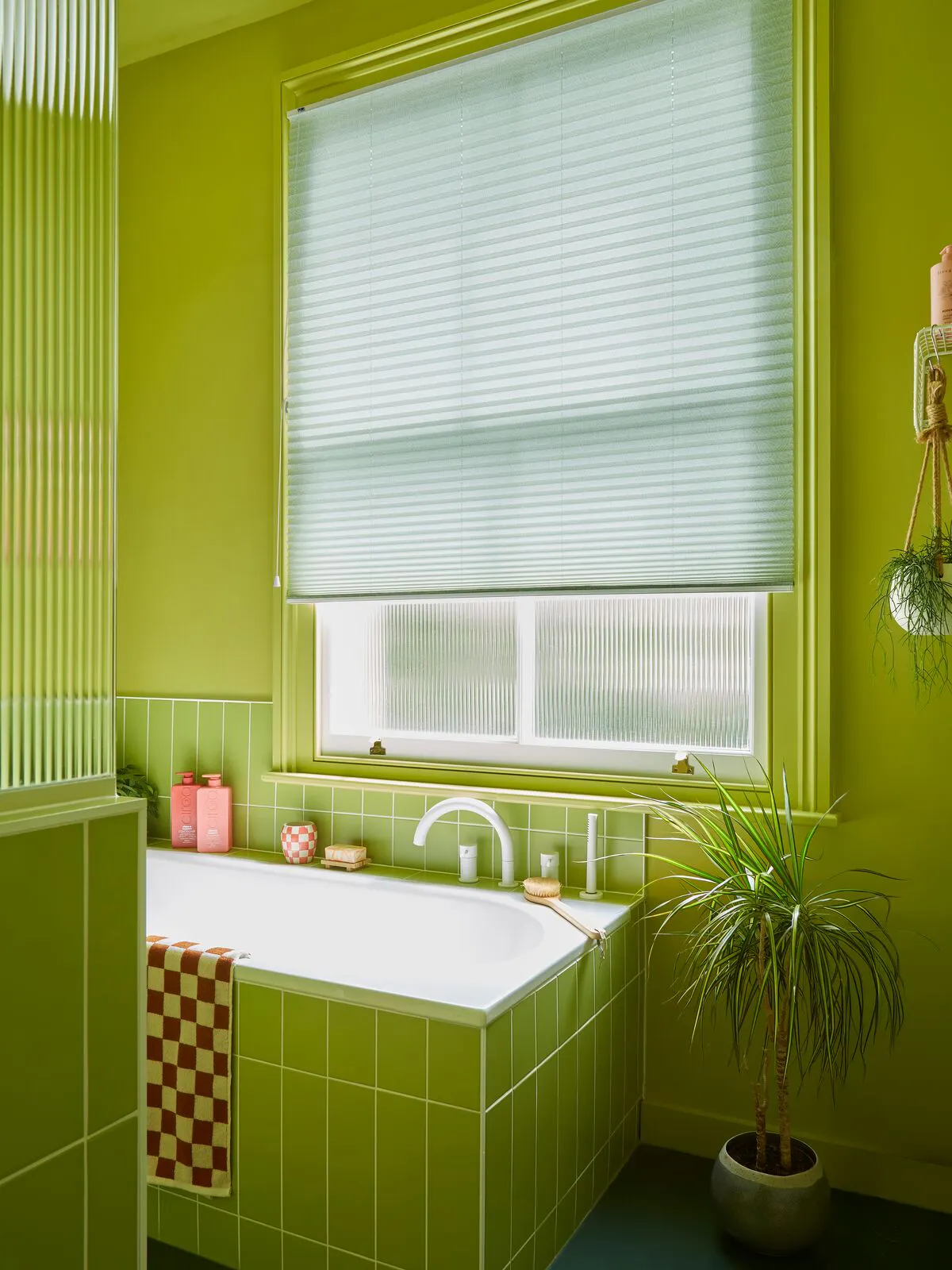
Retro-style bathroom in mid green with window dressed in grass green pleated blind, lowered three quarters, above a bath tiled to match the walls, potted plant alongside.

Colour drenching means using a single colour – or subtle variations of it – across every surface in a room. That means walls, ceilings, skirting, panelling, the lot. 

Designers and stylists love it because it’s an easy, affordable way to create impact. Depending on the shade you choose, it can make a room feel bigger and airier or cosy and cocooning.  
Lighter tones for calm, cohesive spaces

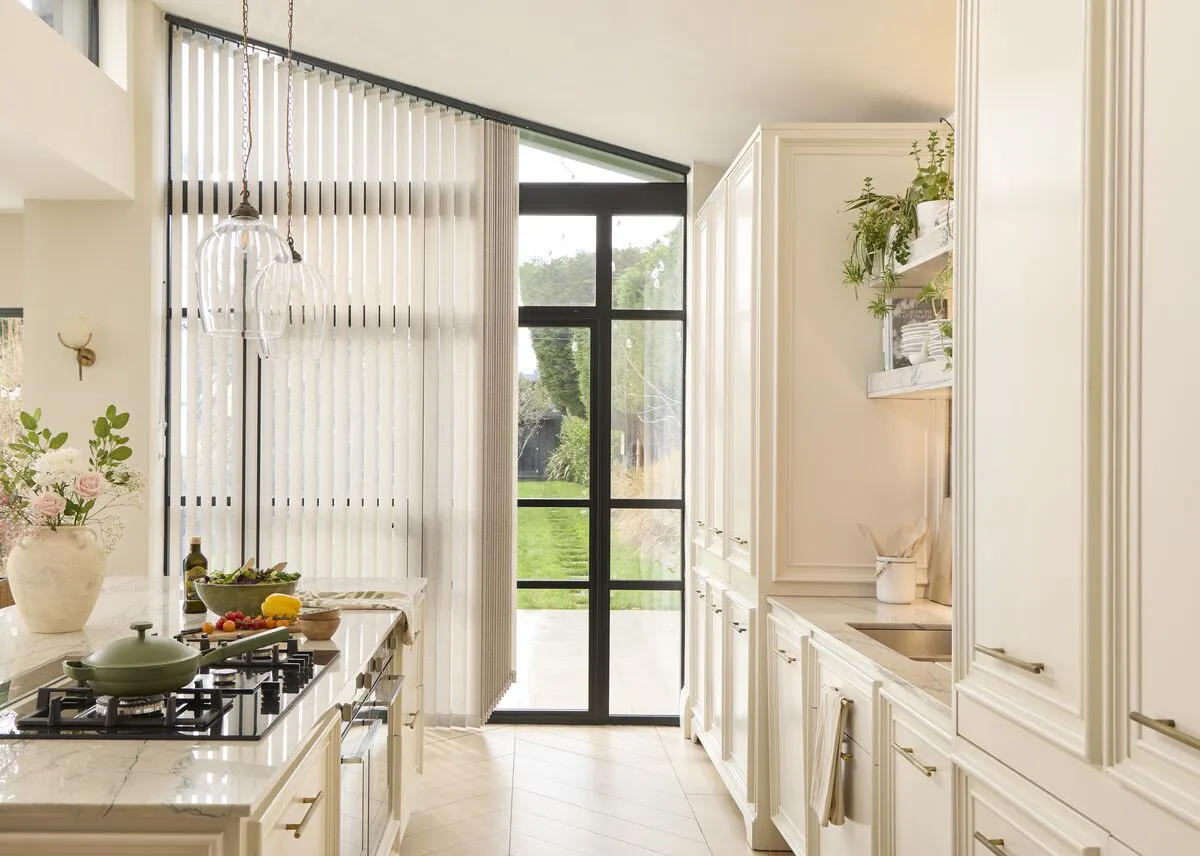
Colour drenching with a light colour is a low-risk way to try the technique at home. When decorating, choose a timeless neutral that you love and, instead of just painting the walls, extend it to the ceiling, door and skirting – all the areas you might have automatically painted white. 

In this kitchen, the walls, ceiling and cabinetry are all painted in the same creamy off-white, with the Vertical blind chosen to match. In a room that can feel overwhelmingly busy, this neutral colour-drenched scheme is calm and elegant.  

Deeper colours for drama and impact

Floor-to-ceiling colour in a darker shade has a slightly different effect, giving a more dramatic and decadent feel. 

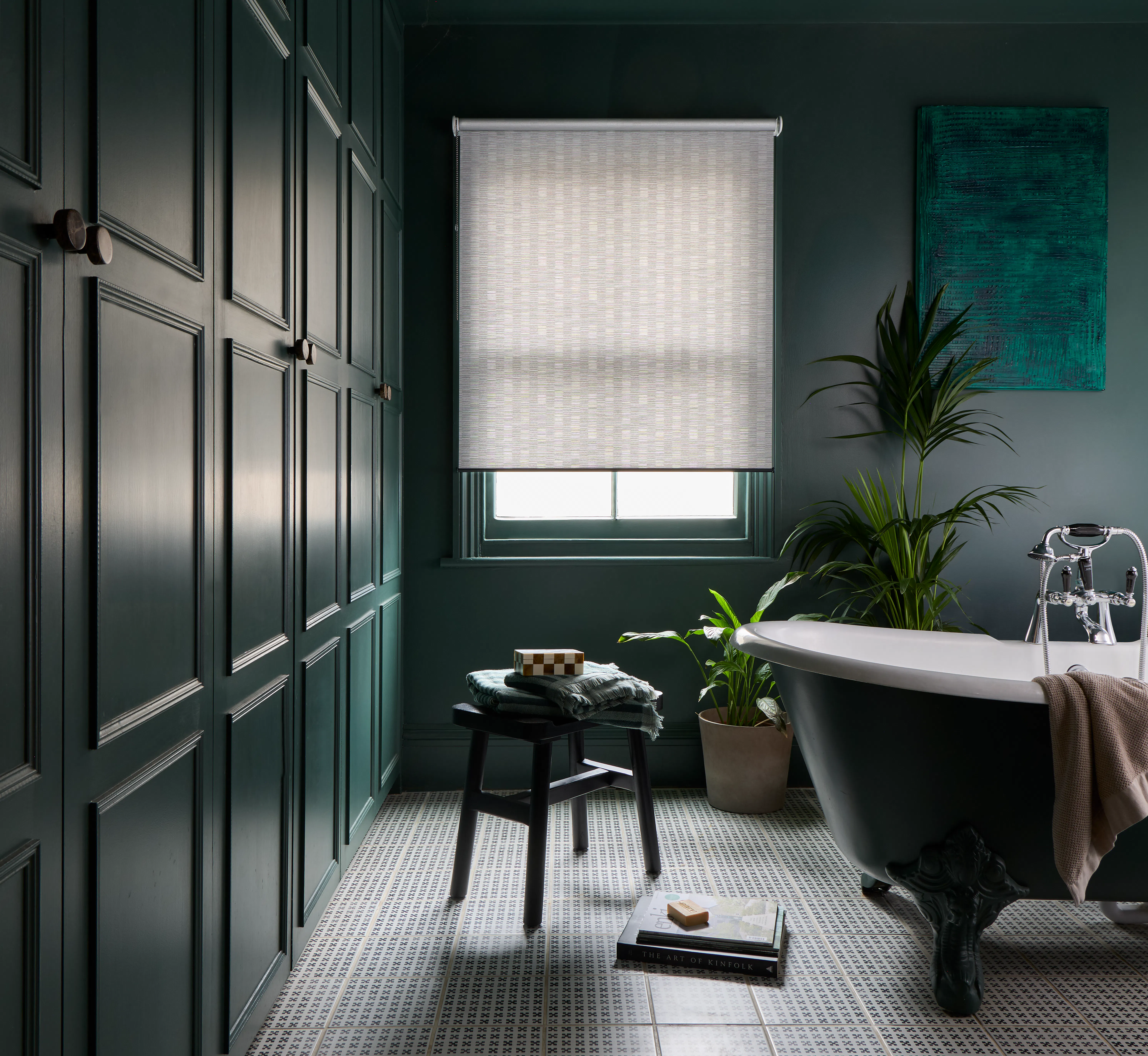
Colour drenching in deep green makes this high-ceilinged bathroom feel cosier and more intimate. It’s also worth noticing the difference in paint finishes here: using a chalky matte on the walls and soft sheen on the panelled doors gives extra depth and interest. Introducing a light neutral in the Roller blind and floor tiles breaks up the colour and softens the contrast with the white bathtub. 

  • “I love impactful design choices, but they must also be practical and functional to ensure that every room in our home works hard for us.” 

    Luke Catleugh, Interiors content creator

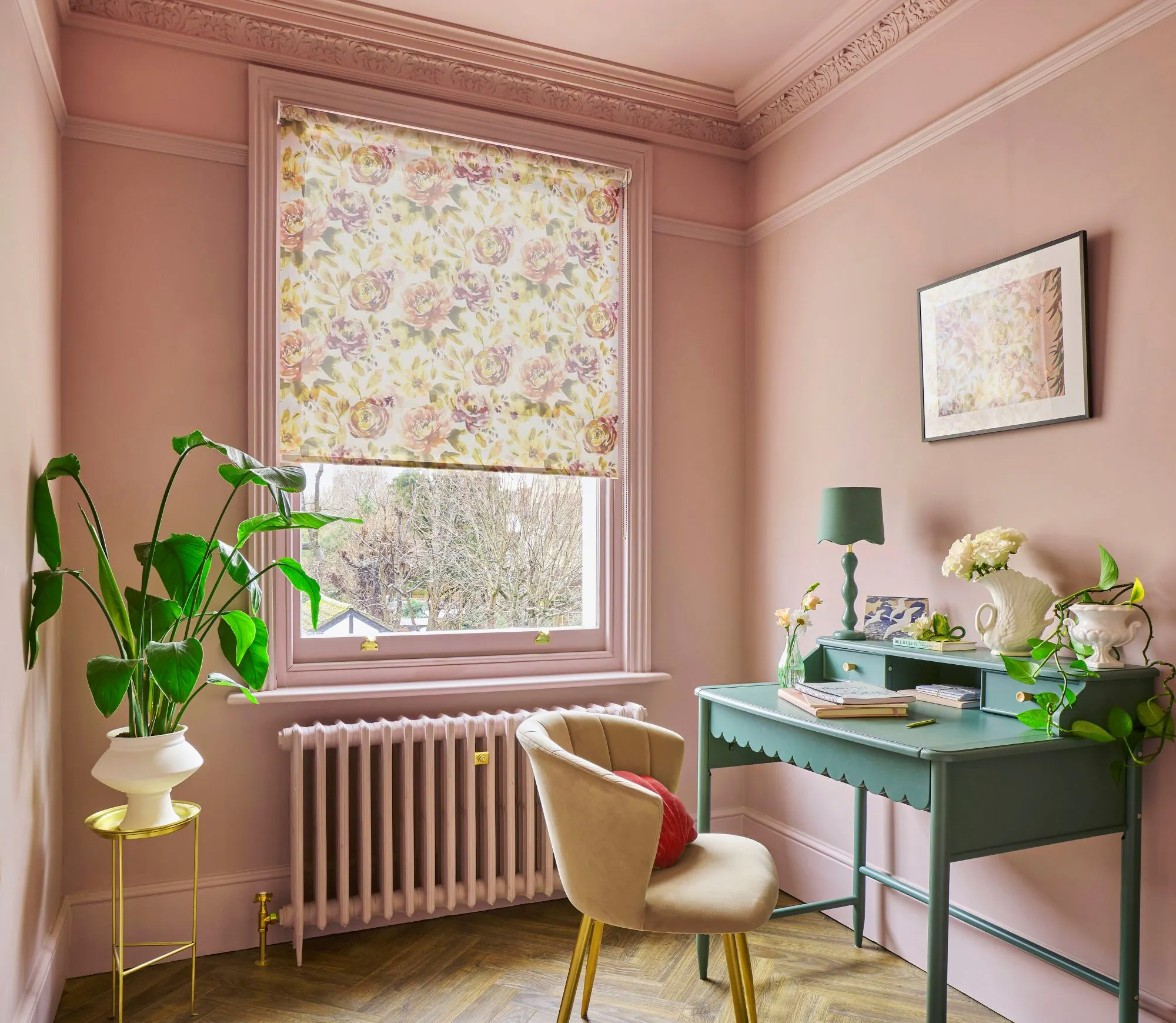
Watercolour floral roller blind in a blush pink home office, paired with a green desk, indoor plants and decorative mouldings.

Highlighting period features

It may sound like a modern trend, but drenching a room in one colour first gained popularity in the Victorian era.  

We especially love the colour-drenched look when applied to period-style features like panelling, crown moulding and cornicing. In this home office, the uninterrupted rose pink draws subtle attention to the room’s architectural details. Green is used as a contrasting secondary colour, and the tones in the floral-patterned blind pull everything together.  

Cosy colour-drenched bedrooms

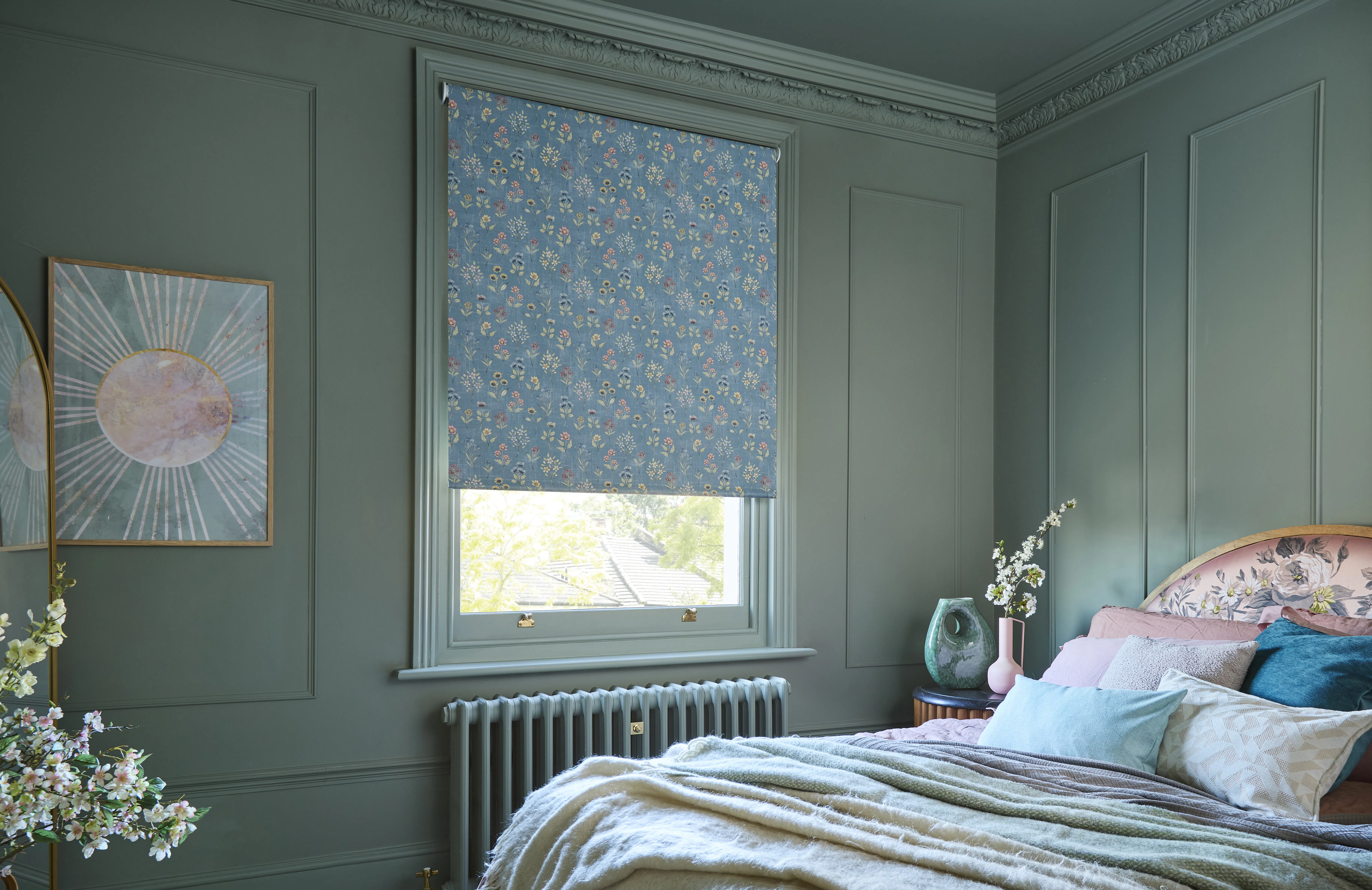
 This colour-drenched bedroom shows how applying a single colour can make a space feel luxuriously inviting and cocooning. The sage green walls, ceiling and column radiator make an elegant backdrop to the layered textiles and floral prints. The overall effect is soft and romantic with a real boutique-hotel feel.  

Statement colour-drenched living rooms

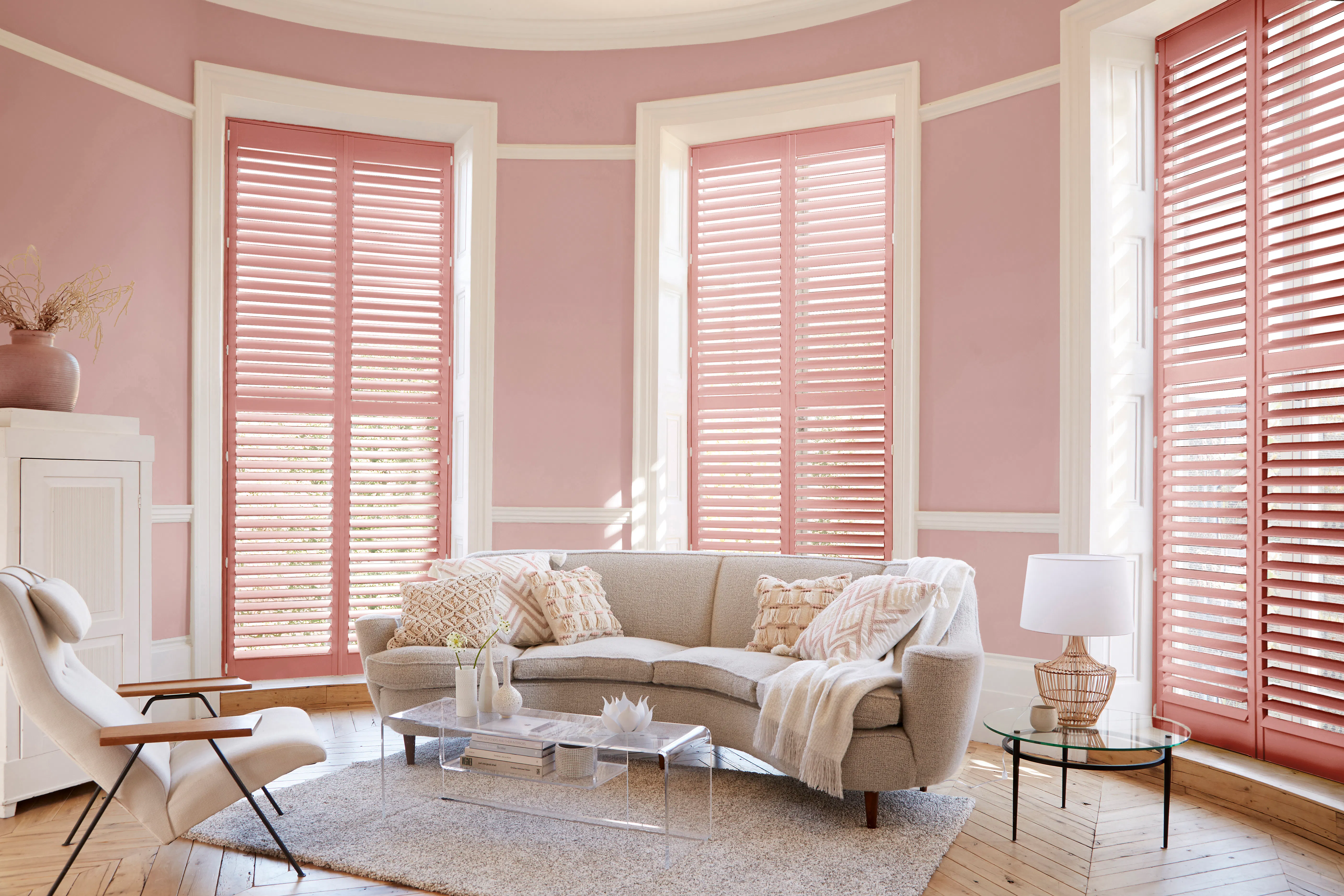
A colour drenched living room can look truly spectacular. Here, it’s all about drawing attention to the room’s most striking feature – the sweeping curved wall and full-height windows. 

Matching the coloured shutters to the cool pink walls maximises the impact, while the white horizontal lines of the dado and picture rail make the space feel even grander and more expansive.  

  • “Although many people associate shutters with period properties, they’ve really moved into the mainstream with all sorts of contemporary homes adopting a shutter style.” 

    Lisa Cooper, Head of Product

Using colour drenching in small spaces

Finally, one of our favourite interior design tricks. Since there’s no harsh contrast between wall and ceiling, colour drenching is a brilliant way to create the illusion of extra space in a small room. It’s useful in loft conversions, which often have awkward angles or sloped ceilings, as well as for disguising less desirable features, such as radiators and exposed pipes.  

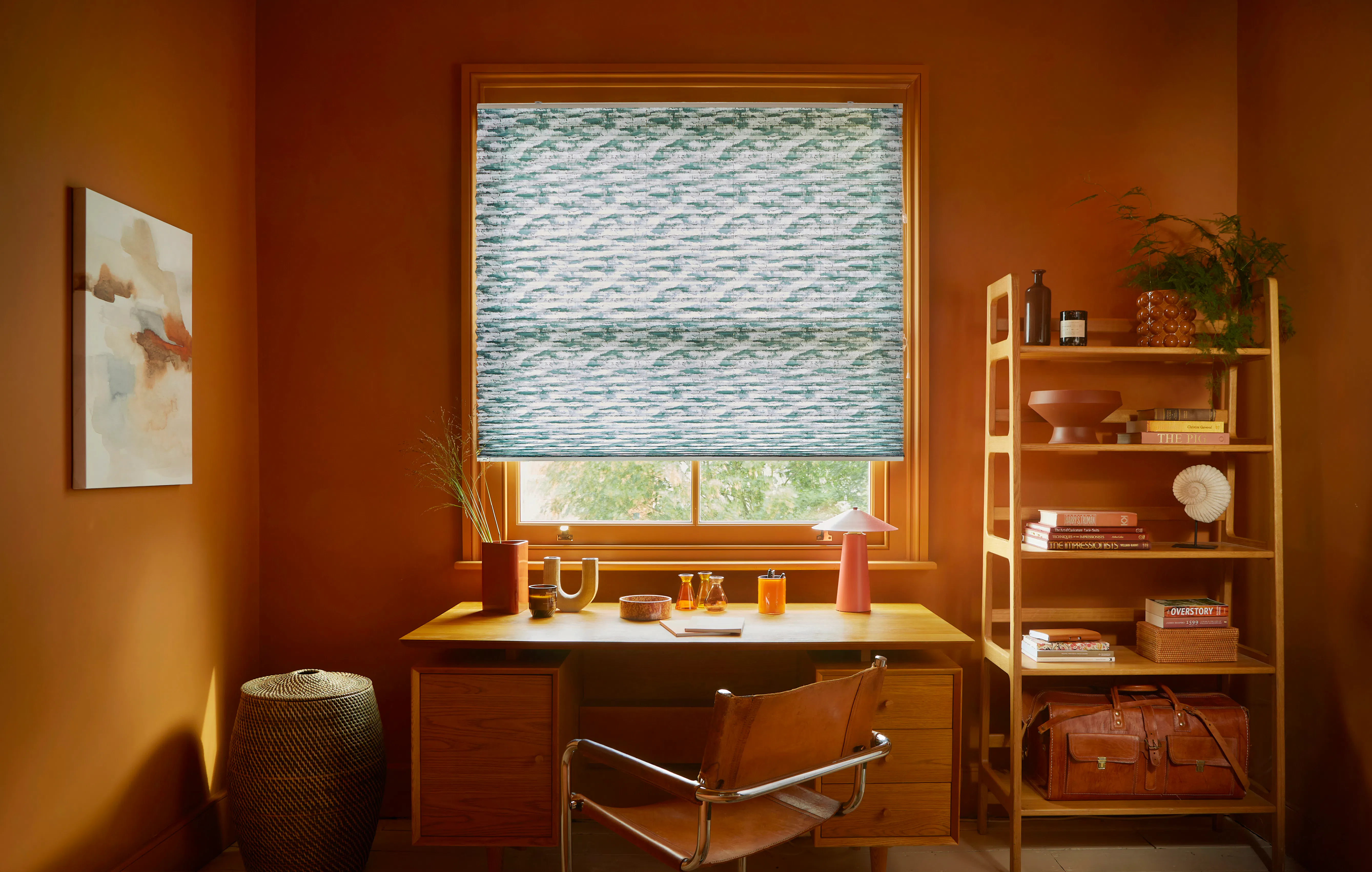
Decorating a small room, like this home office, is a good place to start if you want to try colour drenching in your home. Here, a teal and white Roller blind from our House Beautiful collection makes a pleasing contrast to the warm orange tones.  

Top tips for embracing colour drenching in your home

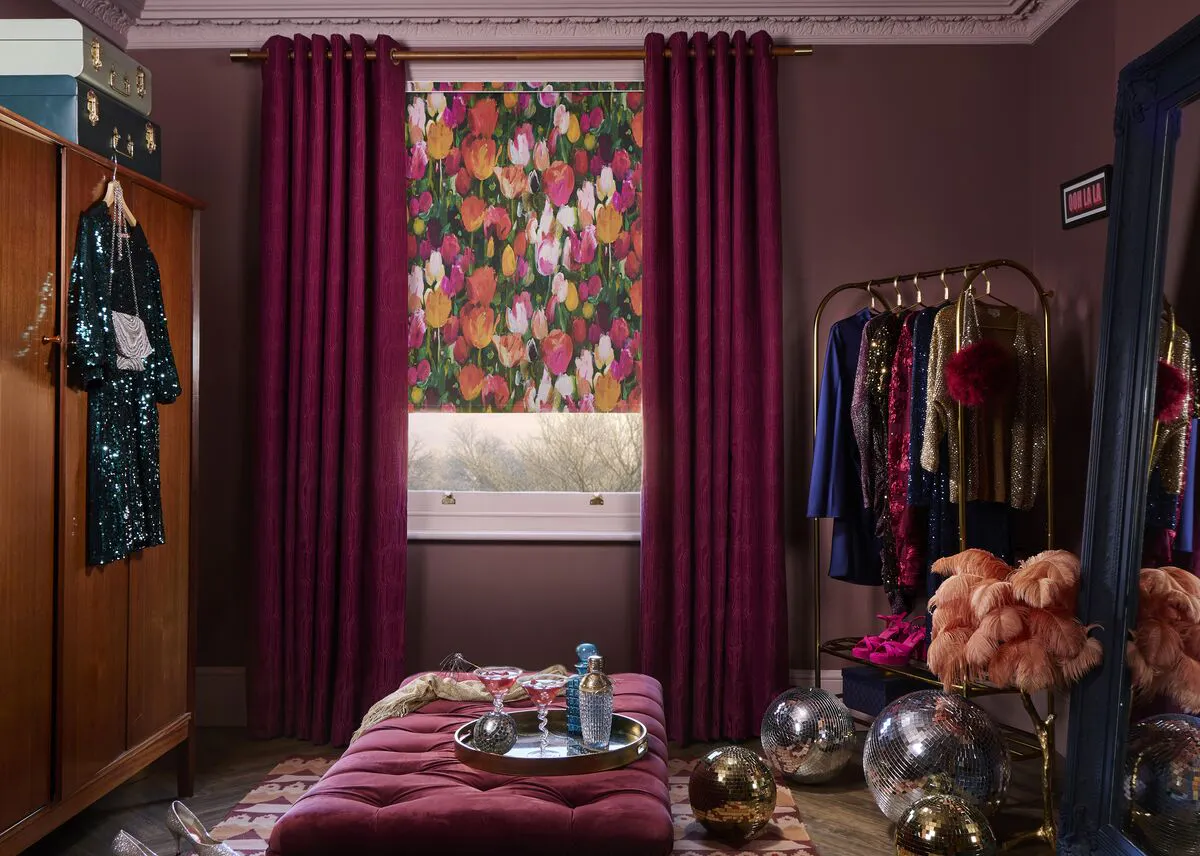
Window with vibrant floral blind partly raised, framed by plum curtains in a dressing room with clothes rail, mirror and metallic decor
  • Colour drenching means taking a single colour across every surface in a room – walls, ceiling, skirting, panelling and window dressings included. 
  • Light neutrals create a calm, cohesive feel, while deeper tones add drama and intimacy. 
  • A colour-drenched bedroom is one of the easiest ways to create a cocooning, hotel-like atmosphere at home. 
  • Shutters and blinds chosen to match your walls can make a colour-drenched scheme feel truly complete. 
  • It's a brilliant trick for small or awkward spaces, making rooms feel bigger and more cohesive. 
  • Period features look beautiful when colour drenched, as the uninterrupted tone draws subtle attention to the details. 

Ready to commit to colour? 

Colour drenching sounds bold but is surprisingly easy to pull off. Choose a colour you love and go for it – the impact will far outweigh the effort.  

Related articles