



Request an appointment
  • Price Promise

  • Rated Excellent

  • Fully Guaranteed

  • Finance Options Available

Hillarys homepage0800 916 65240800 916 6524Request a brochureRequest an appointment
Request an appointment

How to insulate a garage: practical advice and tips

Author Lisa CooperHead of Product at Hunter DouglasWritten 23/10/2026
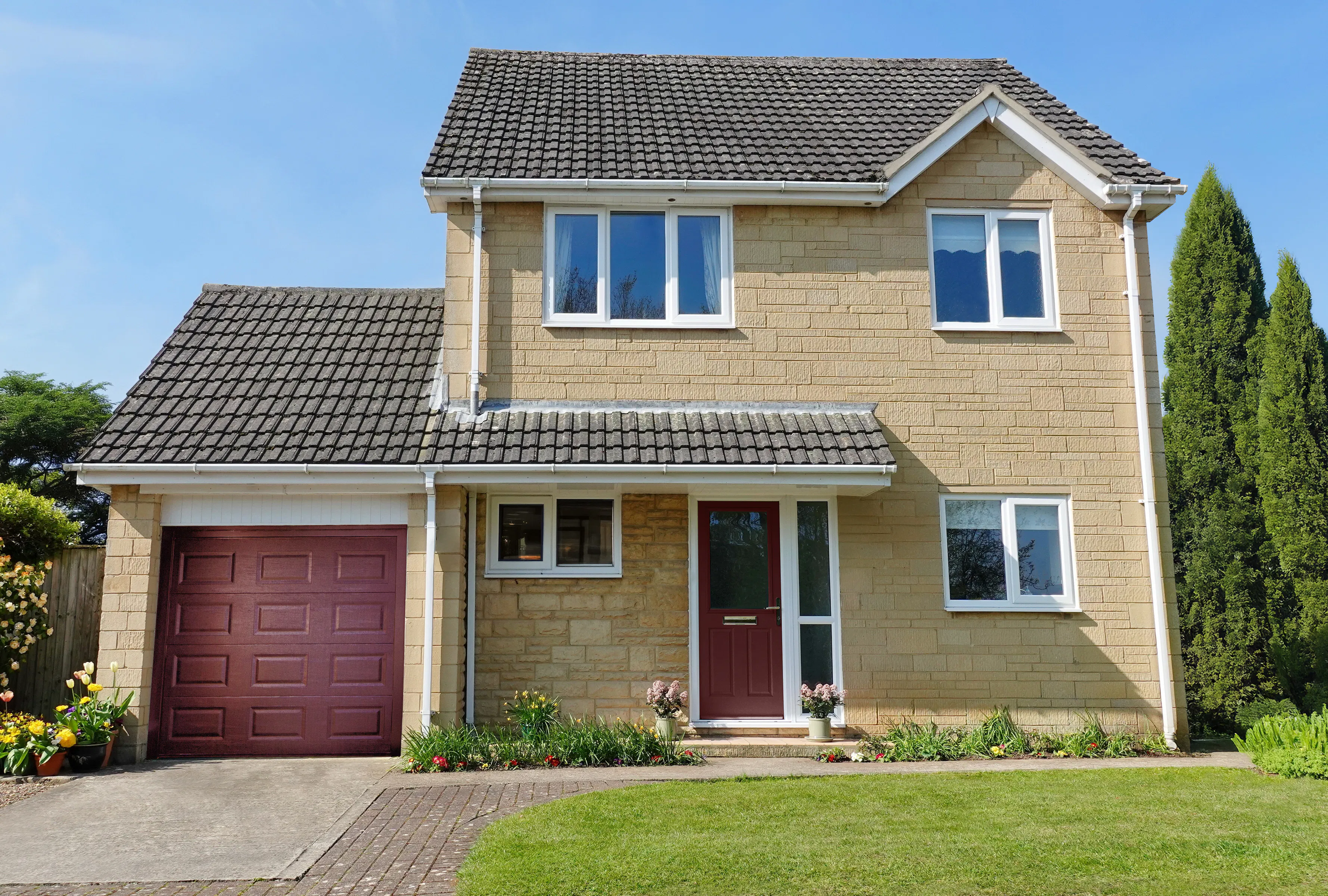
A stone-built house with a dark red front door, a matching garage door, and a well-maintained front lawn.

If you’re looking into ways to make your home warmer in winter and cooler in summer, don’t forget the garage. Adding insulation here won’t just make the space itself more useable – it could help your entire home be more energy efficient. Here’s a simple guide to what’s involved. 

Close-up of a pale grey honeycomb blind beside a fitted desk with monitor, drawers and a cream sherpa office chair.

Why insulate your garage?

Garages are often simpler in construction than the rest of the home, with little to no insulation. Having it added, and bringing the room up to a comfortable temperature, means you can use it in more ways. Perhaps as a workshop, home gym or hobby space. Or perhaps you’re planning a full garage conversion and want to add an office, guest bedroom or further reception room.  

Even if you only use the space for storage, a warmer and drier environment will protect tools, bikes or belongings from getting rusty or damp. And of course, an insulated garage helps protect your car from extreme temperatures (as well as make winter mornings a bit more bearable).  

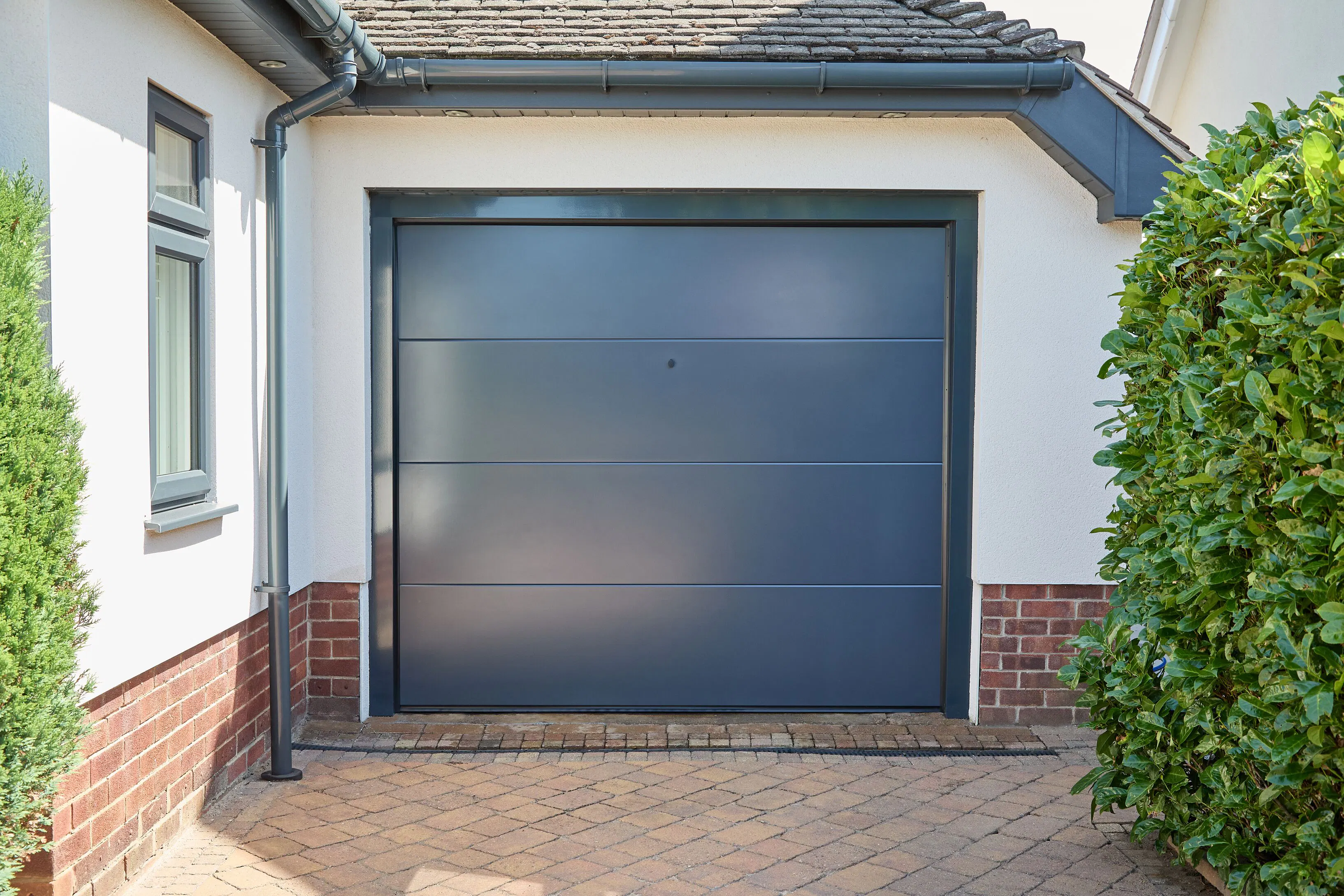
Modern anthracite grey garage door with horizontal panels, framed by white render, brickwork and a front window on a paved driveway.

Where do garages lose heat?

Before you start insulating, it helps to know where the heat is actually escaping. As a rule, it's through the largest and most exposed surfaces first. 

Take a look at how your garage is built. Common culprits include single-skin steel garage doors, unlined roofs, single-layer brick walls, and floors sitting straight on concrete. 

It's not just about comfort in the garage itself, either. If it's attached to your house, those cold, exposed surfaces can drag down the temperature in neighbouring rooms too.  

  • Top tip:

    The U-value of a material tells you how quickly heat passes through it, and there are minimum U-value requirements for habitable rooms. If you’re planning a garage conversion, check what's needed before you buy materials or consider getting a professional in to help. 

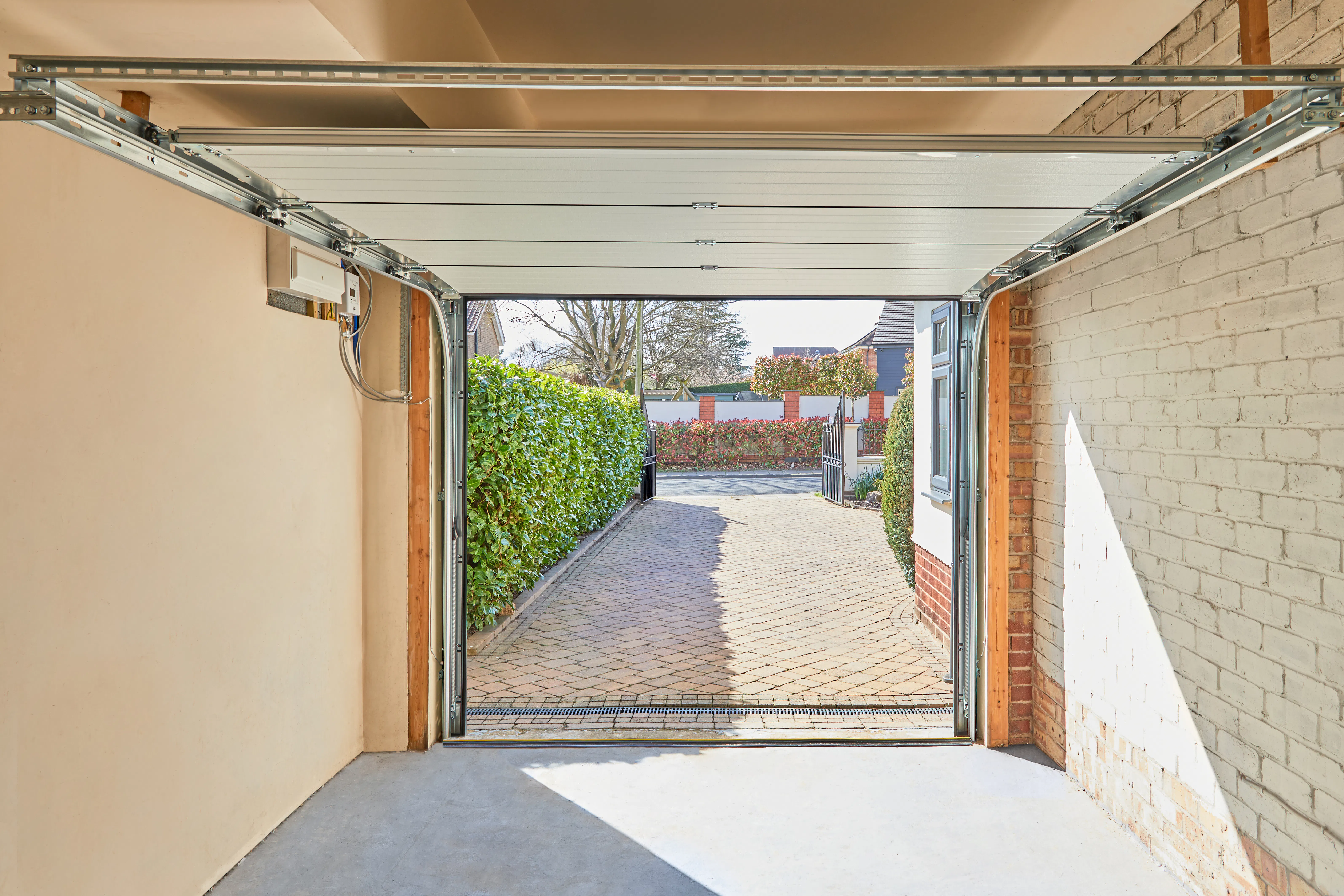
The view from inside a garage looking out through an open sectional door onto a block-paved driveway, hedging and the street beyond.

How to insulate a garage door

If your budget is limited or your existing metal door is still in good condition, you could try a DIY insulation kit. These are available as rolls of reflective foil or rigid foam panels you measure and cut to size. While they can help reduce some heat loss, the results are often less effective than a purpose-built insulated door. For the best finish, use insulation tape to seal the side edges, and add door brush strips to the bottom. 

A replacement garage door that’s built to keep heat in would be a more efficient option. We offer two types. Roller doors open a bit like a Roller blind and have double-walled laths for heat and noise insulation. Sectional doors raise up and over onto ceiling-mounted tracks. Double-skinned panels and high-grade insulation make them our very best option for retaining heat.  

  • “The new garage door has modernised the look of our house, it’s very sleek and definitely looks the part. The value it has added to the house pretty much offsets the cost which is fantastic.” 

    Thomas Dooley, Hillarys customer

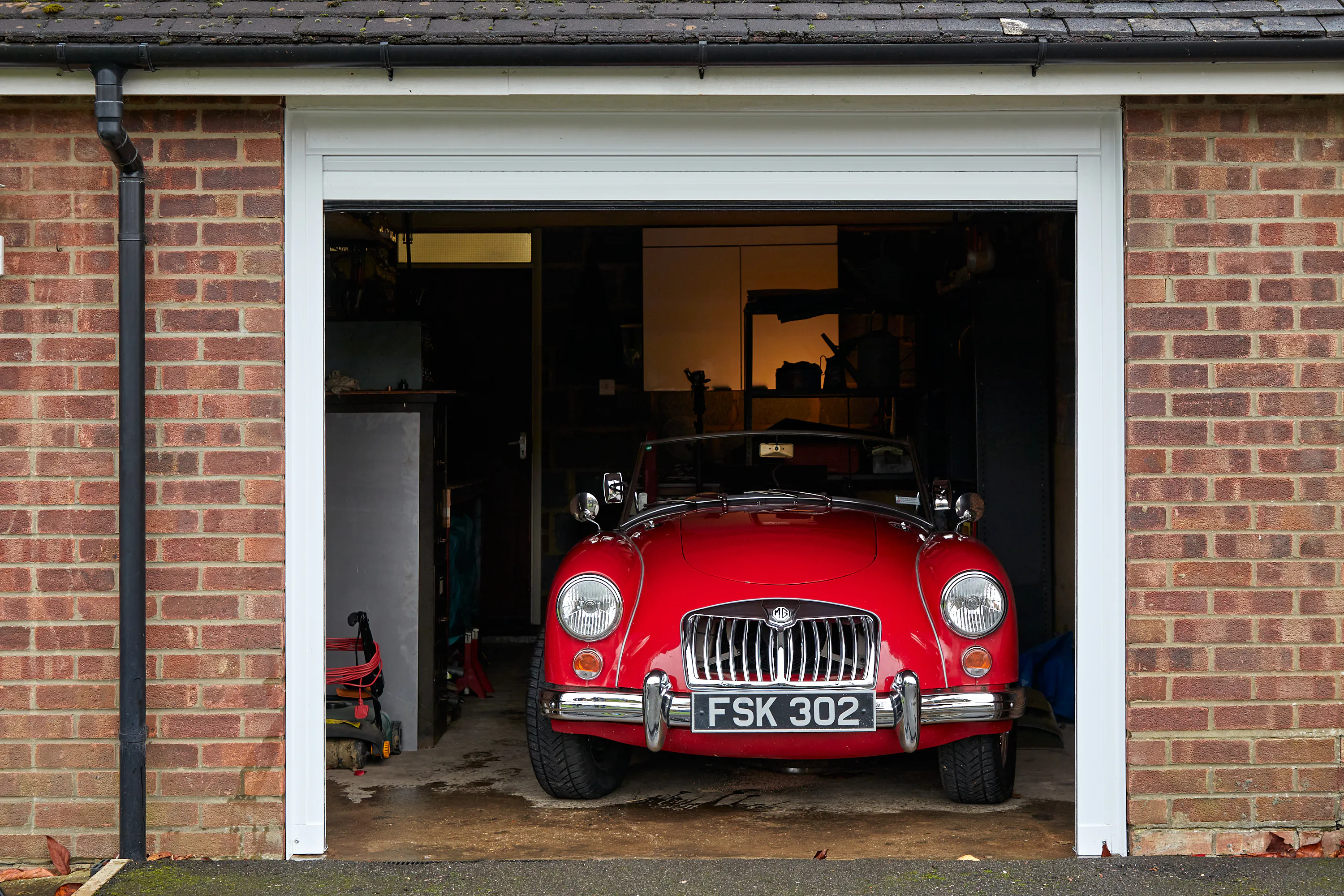
A classic red sports car parked just inside an open garage, framed by a white surround set into a red-brick wall.

Insulating garage walls

The best method for insulating the walls of your garage will depend on how it’s built. Timber-framed walls are useful, as you can simply fit rigid insulation boards between the studs. If it’s solid brick, insulated plasterboard can be fixed directly to the wall. 

Even if you’re a competent DIYer, it’s still a good idea to have the work checked by a professional, especially if you’re planning to use the room as a living or work space. 

  • Top tip:

    Watch out for one of the common pitfalls – trapping moisture behind the insulation. Prep the wall carefully and make sure you’re using a suitable vapour barrier or membrane. 

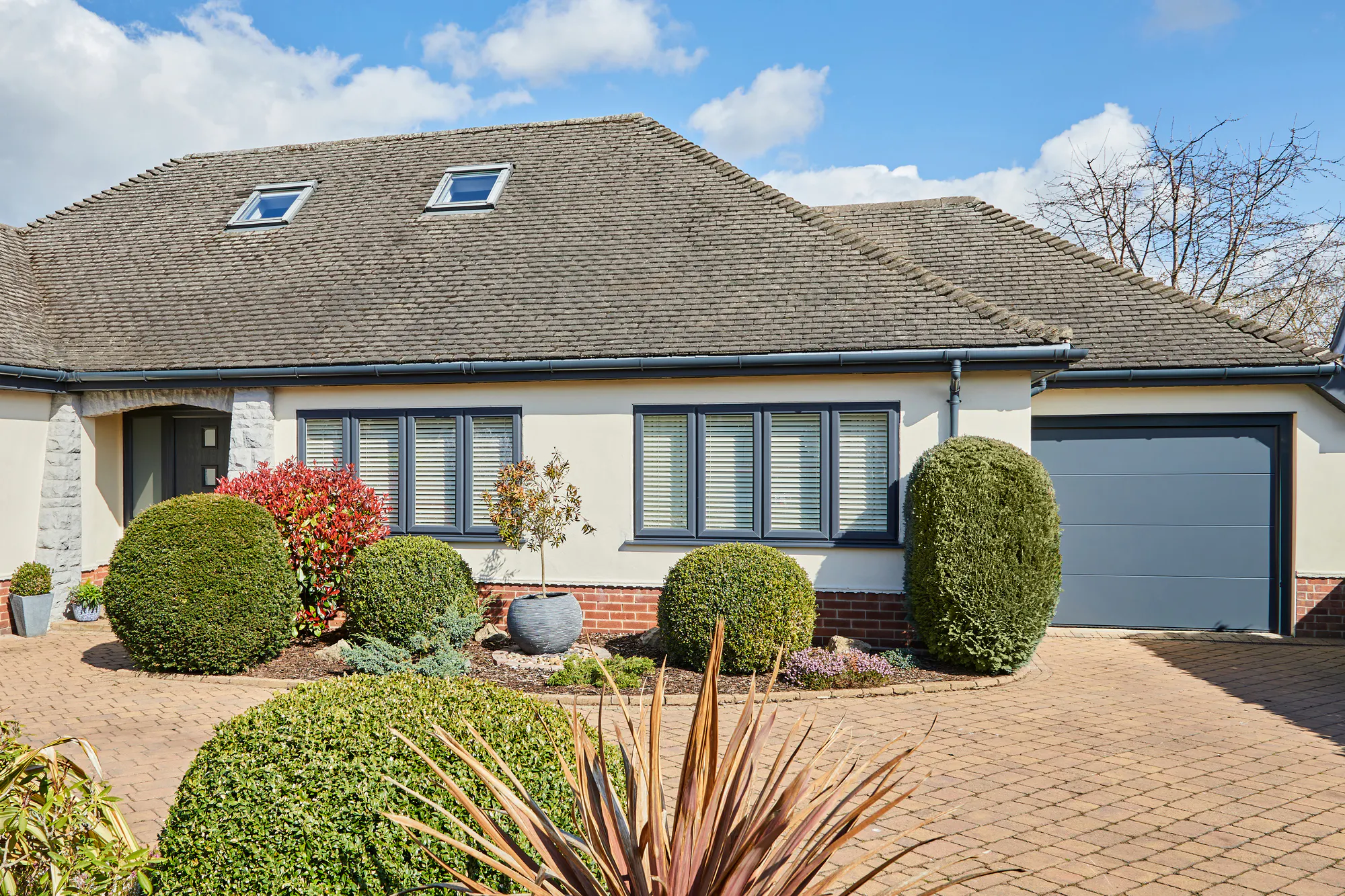
Single storey house in white with anthracite grey integral garage door matching guttering and window frames and block paved driveway.

Insulating the roof and floor

Since warm air rises, roof insulation is a sensible addition. If you have a pitched roof, roll or batt insulation can be laid between the rafters, leaving a gap between the insulation and the roof to prevent condensation. For a flat roof, cut rigid foam boards to fit tightly between the rafters.  

Most garage floors are made from solid concrete that absorbs the cold easily. One of the simplest ways to warm things up is to lay rigid insulation boards onto the existing floor, before topping with the new floor covering. 

  • Top tip:

    Insulating the floor will raise the level of the finished floor slightly, so remember to check the door clearance before you start. If space is tight, PIR insulation boards offer great performance with a more slimline finish.  

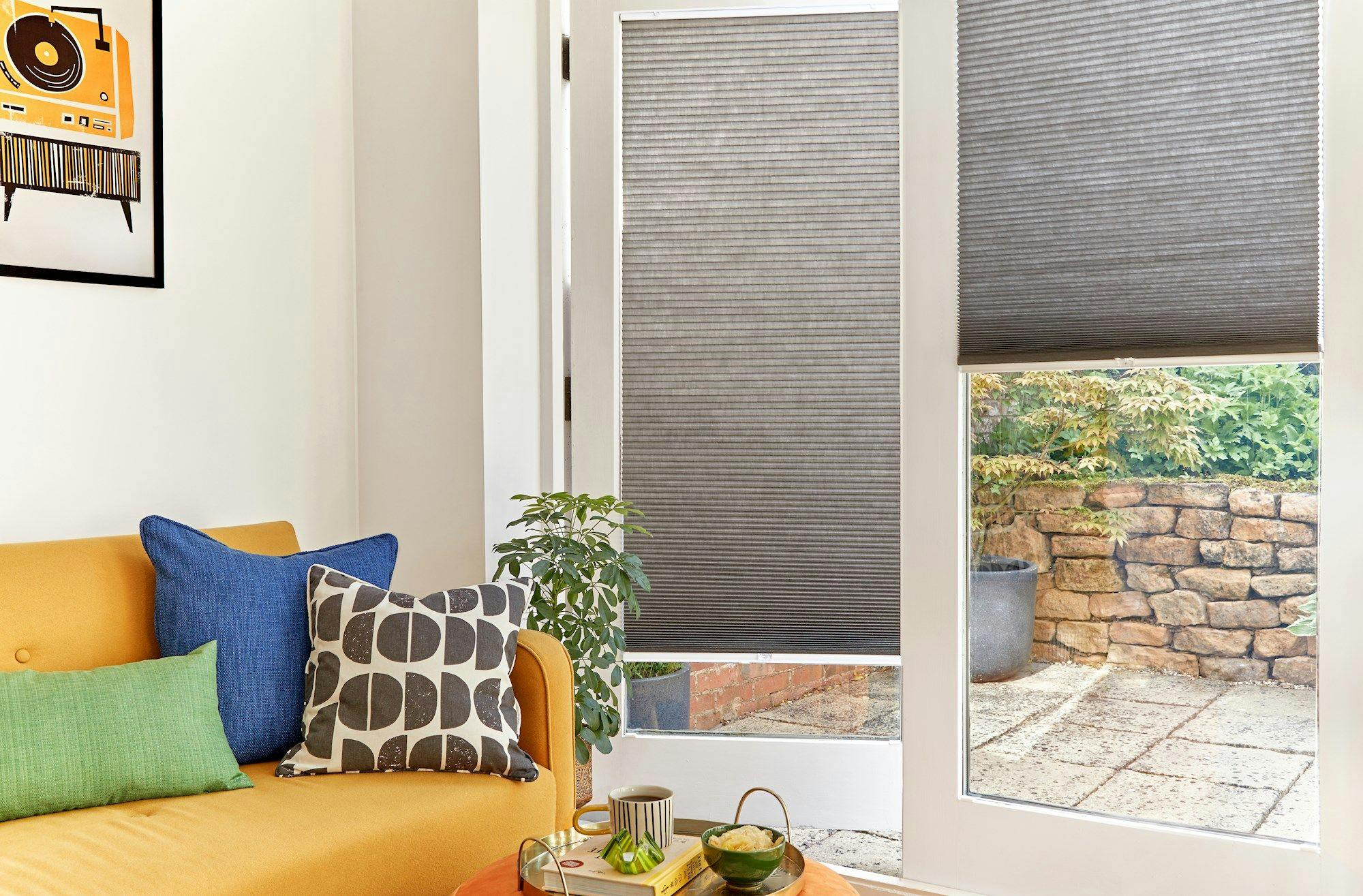
duette charcoal pleated blinds on french doors in living room

Insulating a garage conversion

If you’re converting your garage, take a look at any windows and doors next, making sure to seal any gaps using weather stripping or caulking.  

Finally, the window covering you choose can make a big difference. Well-fitted thermal blinds made from specialist fabrics, or curtains with a thermal lining, will help the room feel comfortable year round. 

  • Top tip:

    You won’t normally need planning permission to convert a garage into a habitable room. But you likely will need building control approval to confirm the insulation and ventilation meet current regulations. 

Quick recap: how to keep a garage warm in winter 

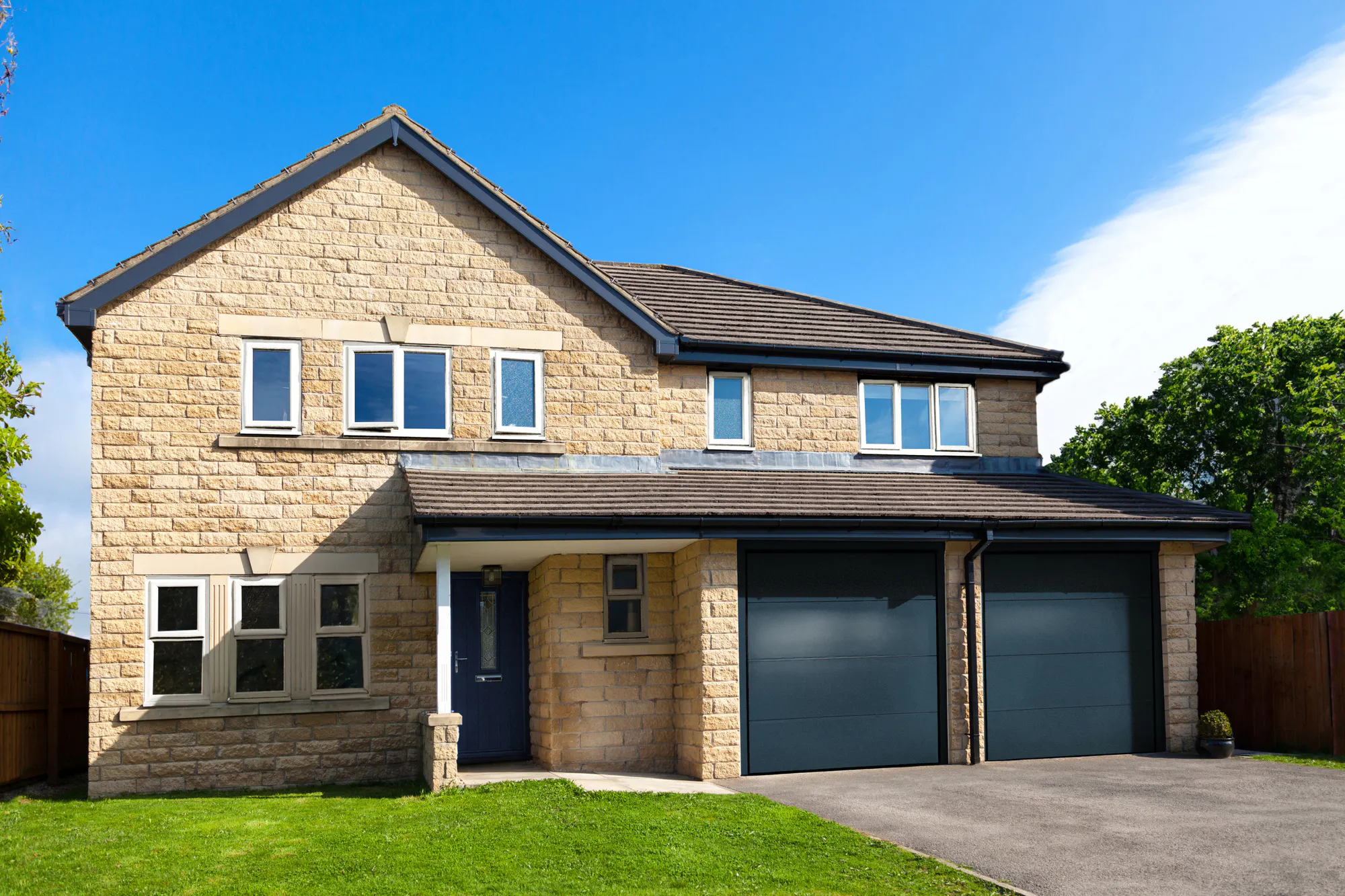
Yellow Cotswold stone-style house with integral garage with two blue steel garage doors that match the front door.
  • Garages lose heat fast. Adding insulation makes the space more usable and can improve energy efficiency around the home.  
  • Heat escapes through the largest, most exposed surfaces first: the garage door, roof, walls and floor. 
  • A DIY insulation kit is a budget-friendly upgrade for an existing door, but a double-skinned replacement door offers the best heat and noise insulation. 
  • Walls, roofs and floors each need a slightly different approach depending on how your garage is built. 
  • If you're converting your garage into a living space, check building regulations and U-value requirements before you start. 
  • Thermal blinds or lined curtains are a simple way to keep a converted garage at a comfortable temperature. 

A warmer winter starts here 

There's lots you can do to get your garage prepped for the colder months, and it's a worthwhile project at any time of year. Whether you tackle it yourself or bring in a professional, you’ll benefit from a warmer, drier, more usable space. 

Looking for more inspiration?

Read more about garage doors

*Order now for fitting in time for Christmas is available on selected blinds and curtains only and is subject to advisor capacity. Regional variances may apply. Wooden shutters, conservatory blinds, Duette blinds, Blind Screen, pleated blinds, awnings, garage doors and pergolas are not included.