

We all know that being outside in nature is good for our health and wellbeing. Here’s a closer look at how using biophilic design principles can help you mimic that positive, uplifting energy inside the home.

Price Promise

Rated Excellent

Fully Guaranteed

Finance Options Available
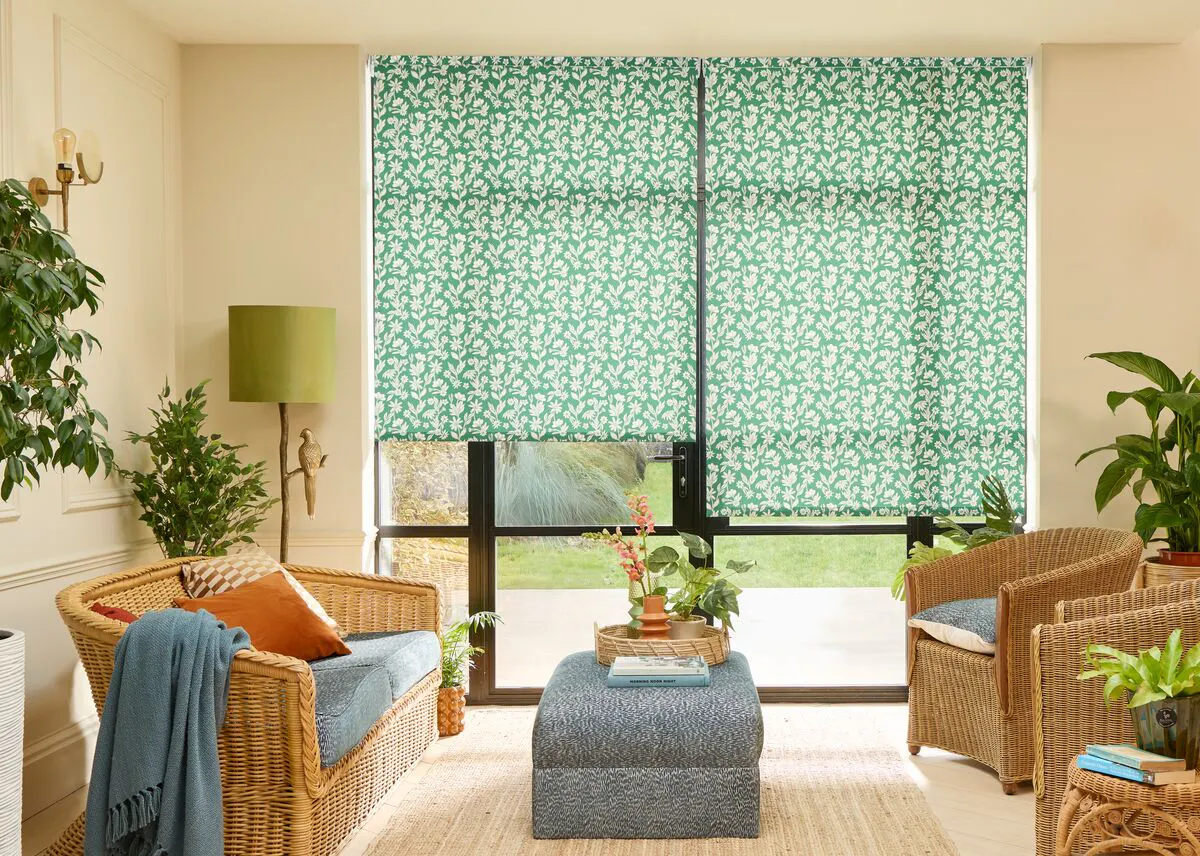
We all know that being outside in nature is good for our health and wellbeing. Here’s a closer look at how using biophilic design principles can help you mimic that positive, uplifting energy inside the home.
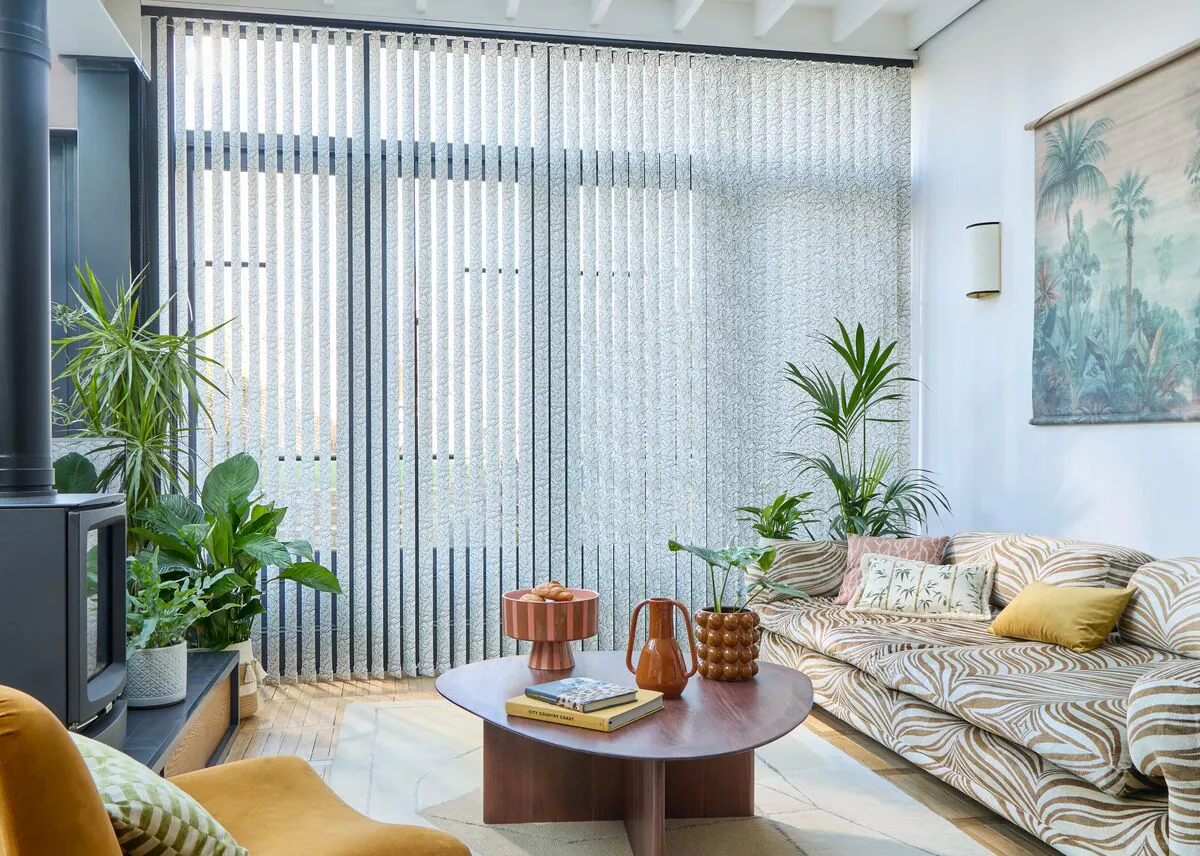
Biophilic design is the practice of introducing nature and natural elements into the built environment. It can mean incorporating natural light, ventilation, outdoor views, organic forms and textures, and nature-inspired colours and prints. There’s definitely more to it than adding houseplants – though they play a part too.
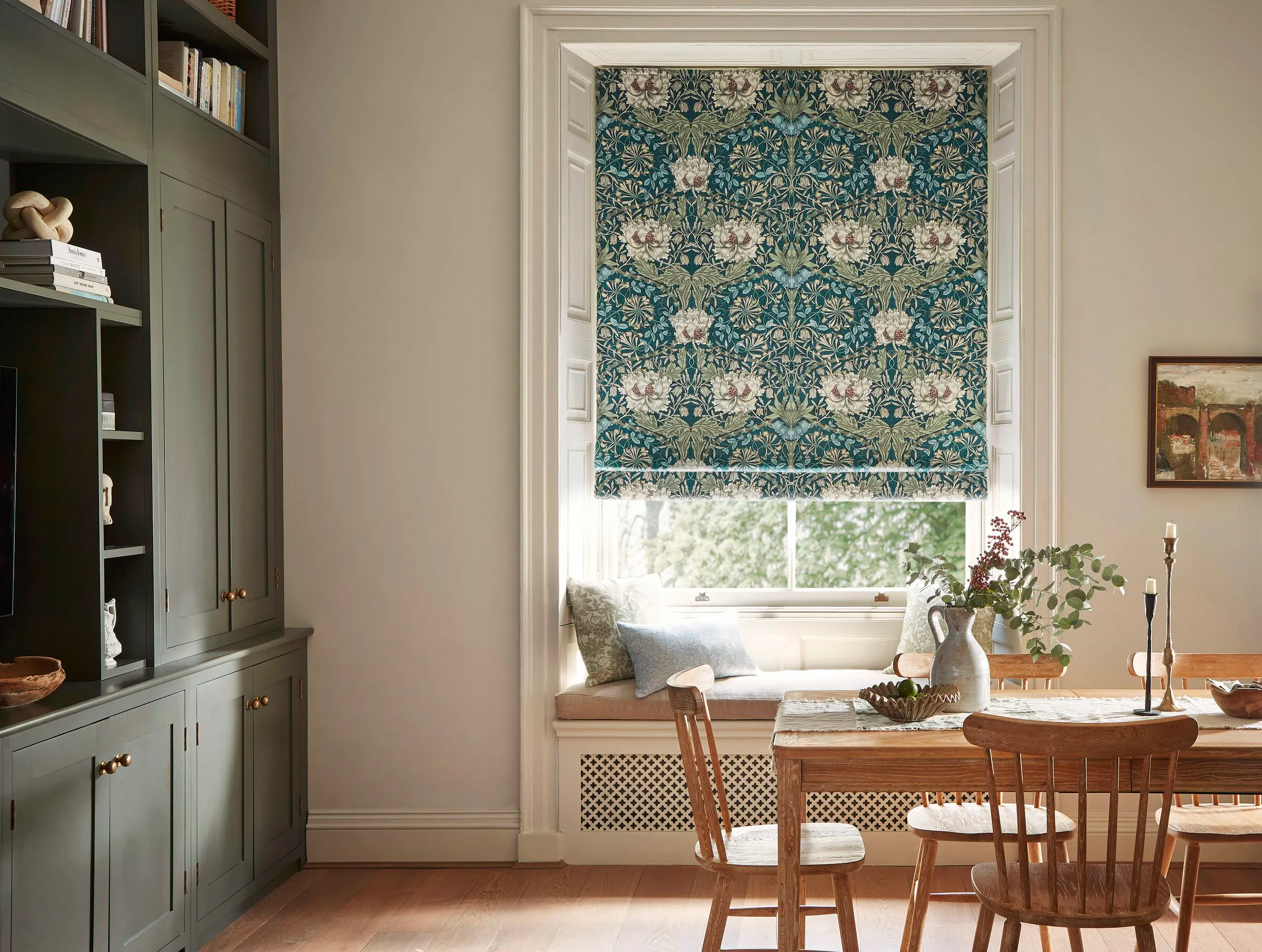
Nature-inspired colours and botanical prints offer an easy way to bring biophilic design into your home. Earthy shades of green, ochre and terracotta all help create a grounded, restful feel, while botanical motifs have long been used to bring life and texture to interiors.
Visionary textile designer William Morris found endless inspiration in the natural world and his unmistakeable prints are just as appealing – and as relevant – today. We love how this Roman blind picks up on the green of the cabinetry and links the room to the world outside the window.
“Organic-based designs, patterns and textures reminds us of positive experiences we’ve had within nature and have been shown to reduce stress, creating a calming, restorative quality in the home.”
Oliver Heath, Interior designer
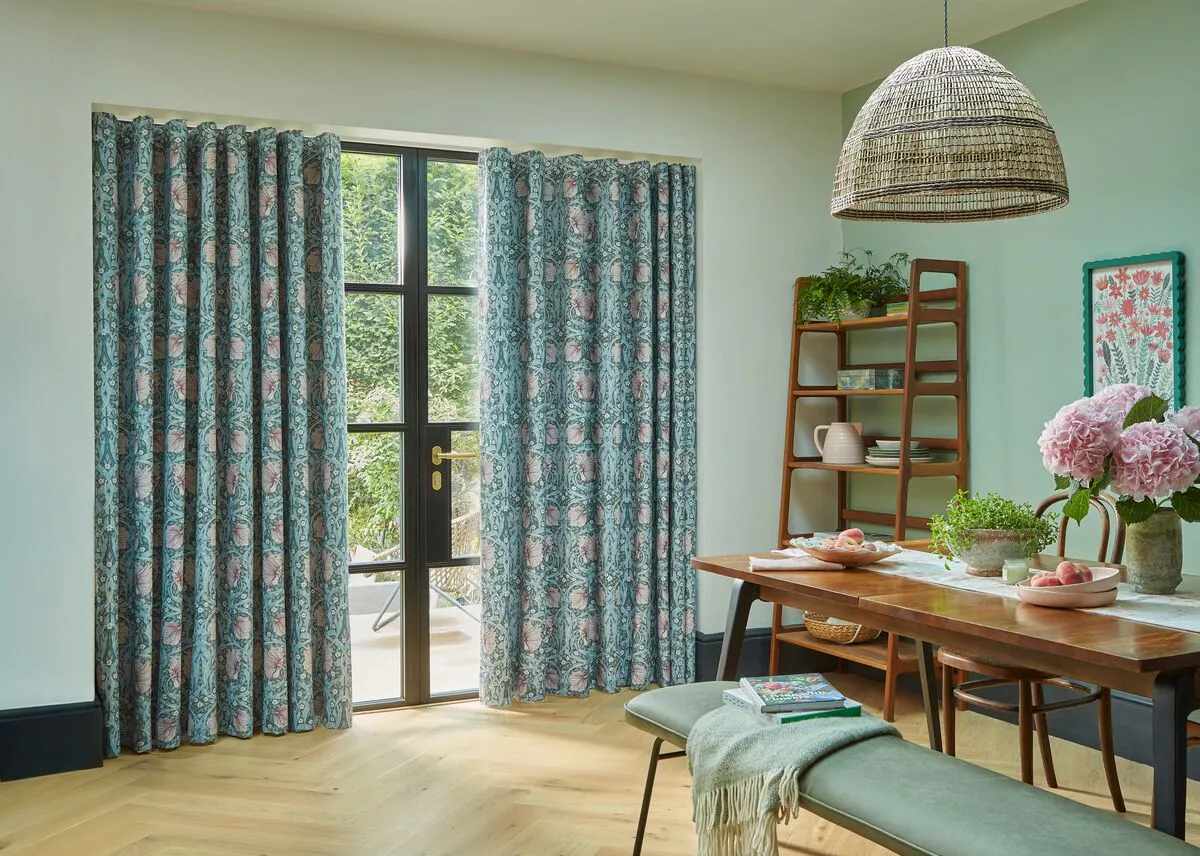
Materials are another key component of biophilic design. Natural stone gives a feeling of safety and permanence, while showier marble and quartz bring organic pattern and texture. Layering in textiles, such as cotton, linen and jute, makes interiors feel softer and more inviting. And woven pieces, like the rattan light shade here, add contrast.
But the most obvious biophilic design material is wood. It’s sustainable, ages beautifully and lends a warm, tactile quality to any space. According to studies, incorporating wooden surfaces can even help improve mental health and lower heart rate. Form matters too: choose curved, organic shapes over sharp edges and harsh angles.
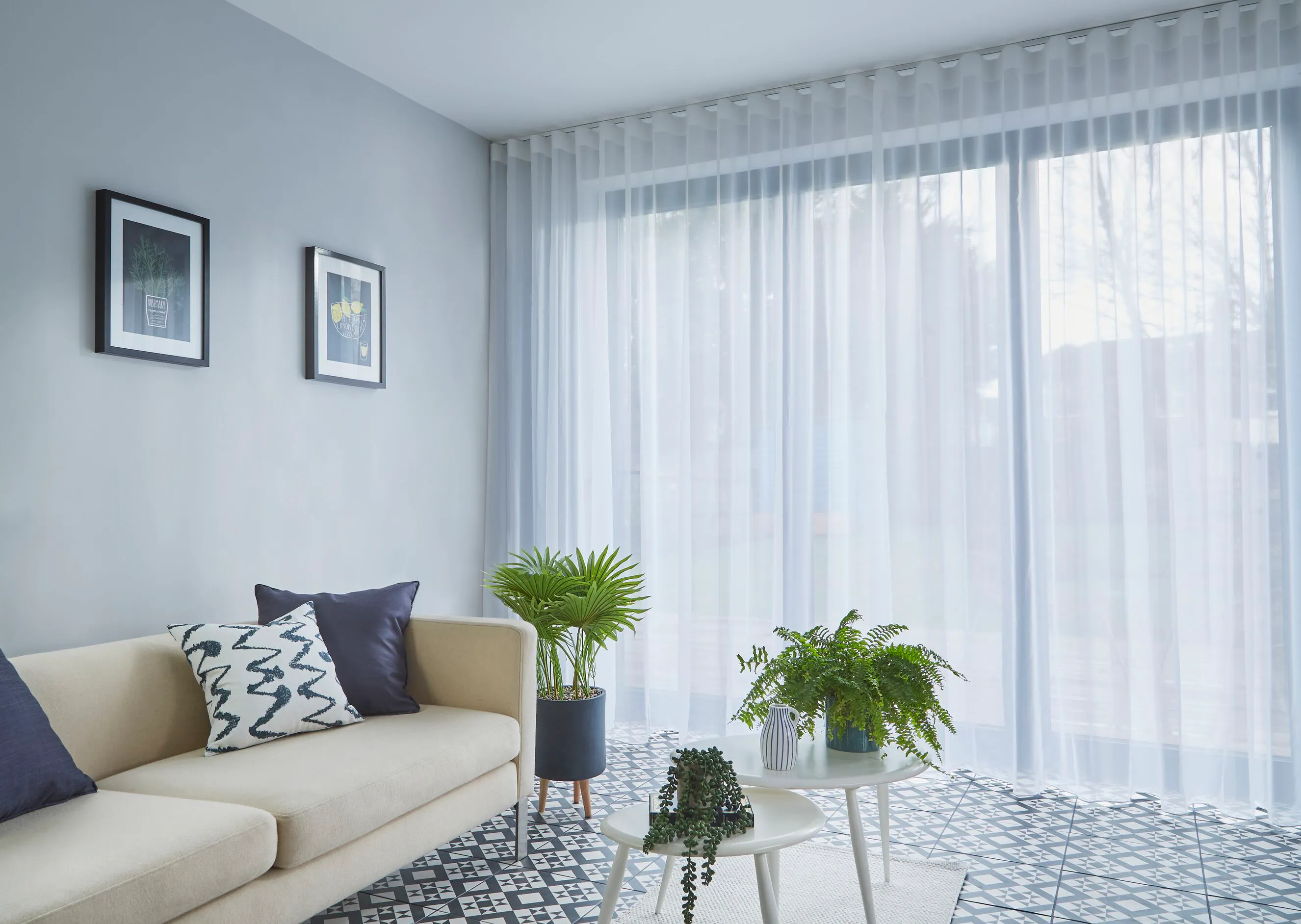
We all know that natural light helps boost our mood and support healthy sleep cycles. For this reason, the window dressings you choose can have a real impact on the mood of a room.
Consider a Day-and-Night blind for precise control over light levels. Or sheer Voile curtains that filter harsh light rather than blocking it out completely. For more tips, see our guide to managing natural light in your home.
“My office gets a lot of sunlight in the early afternoon so I needed a blind to diffuse the light that would just glare across my screen when I’m working, but doesn't block the natural light completely.”
Hannah Bruce, Interiors content creator
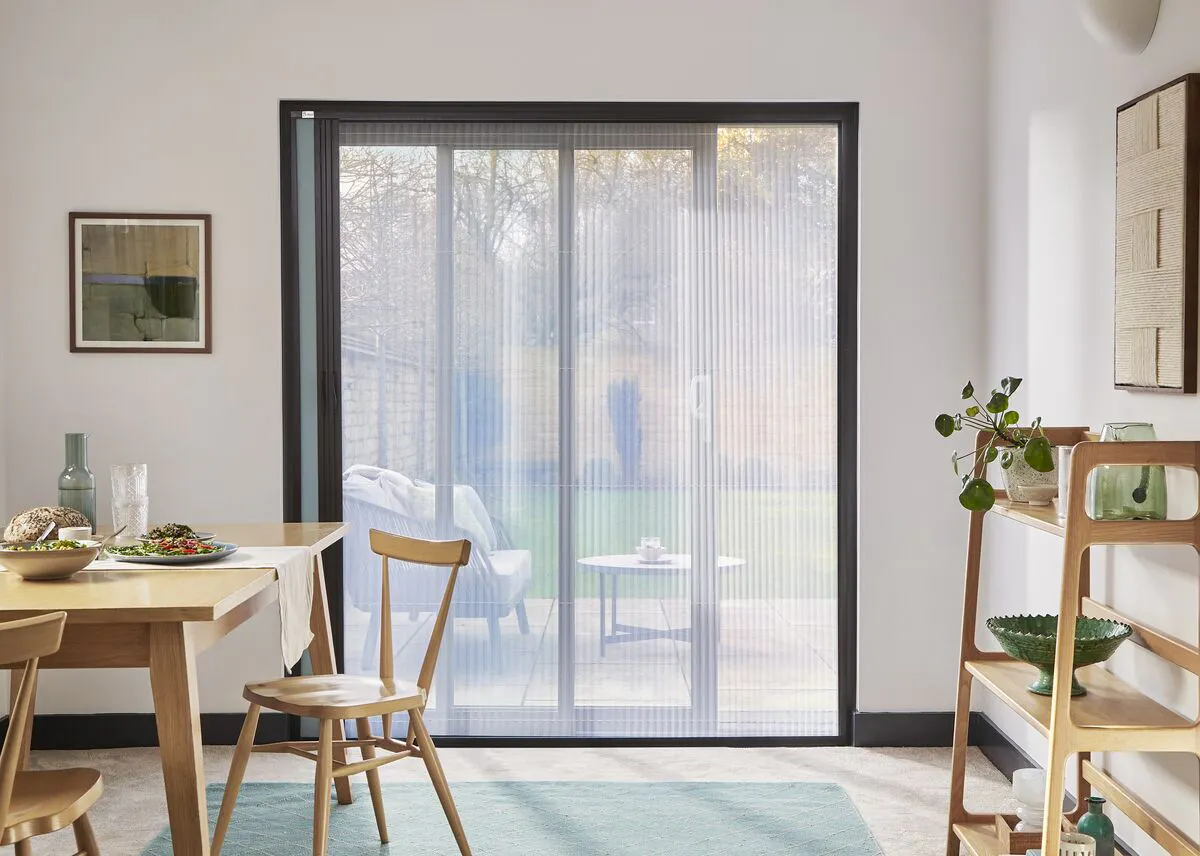
Good airflow is a key part of biophilic design: it helps regulate temperature naturally and keeps indoor air feeling fresh rather than stale. This is especially important in hot or humid weather, when opening doors and windows can make all the difference.
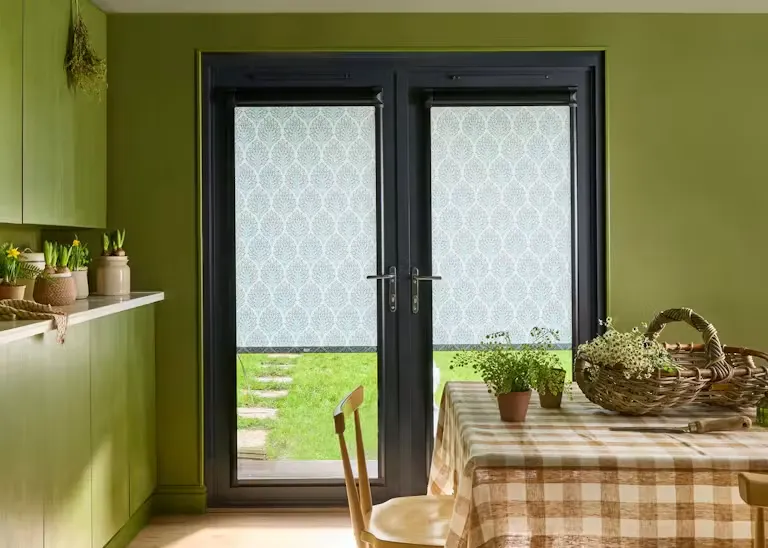
Door shutters are one solution, letting you maximise airflow while maintaining your privacy. Another option is a fly screen, designed to let you enjoy an outdoor breeze without being invaded by flying insects. In this bright dining room, the fitted screen helps the space feel cooler, airier and more connected to the garden outside.
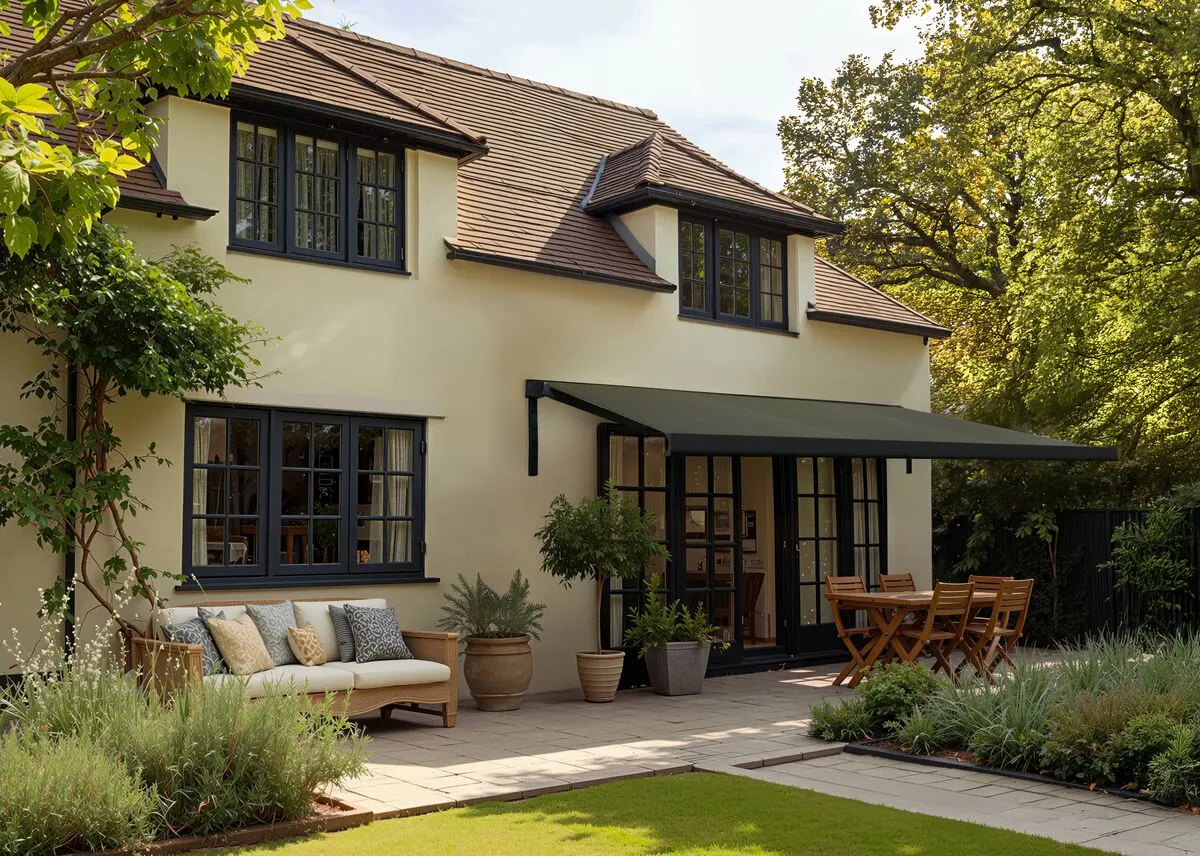
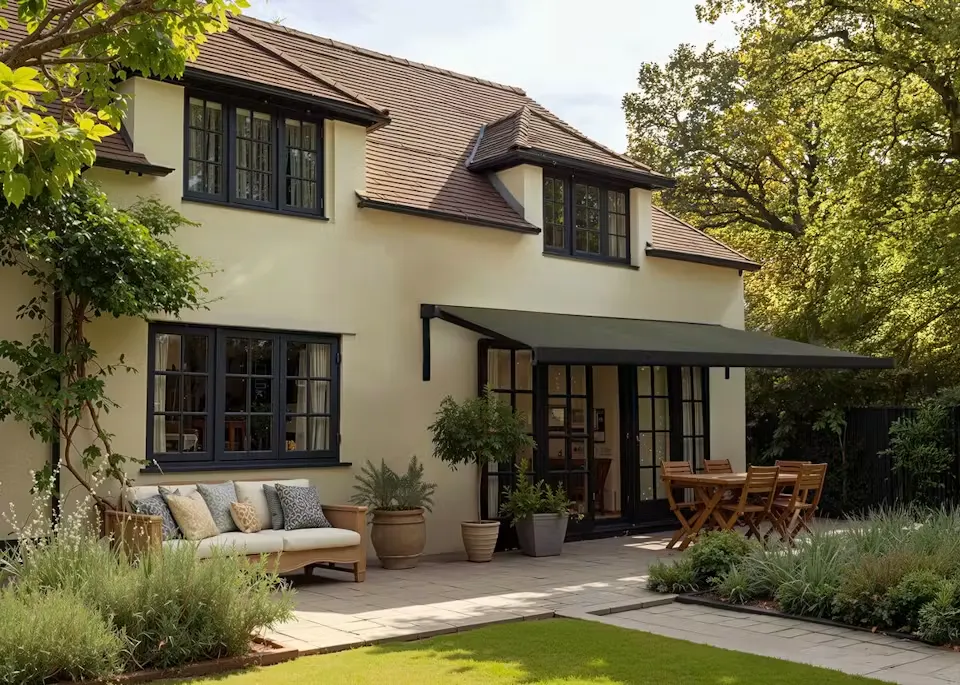
At its core, biophilic design is about blurring the lines between the spaces we live in and the natural world around us. Bifold or patio doors help create that continuity between home and garden, while awnings can make outdoor spaces feel like a natural extension of the indoors. You can strengthen the connection further by using similar flooring or paving across both spaces, helping one area flow seamlessly into the next.
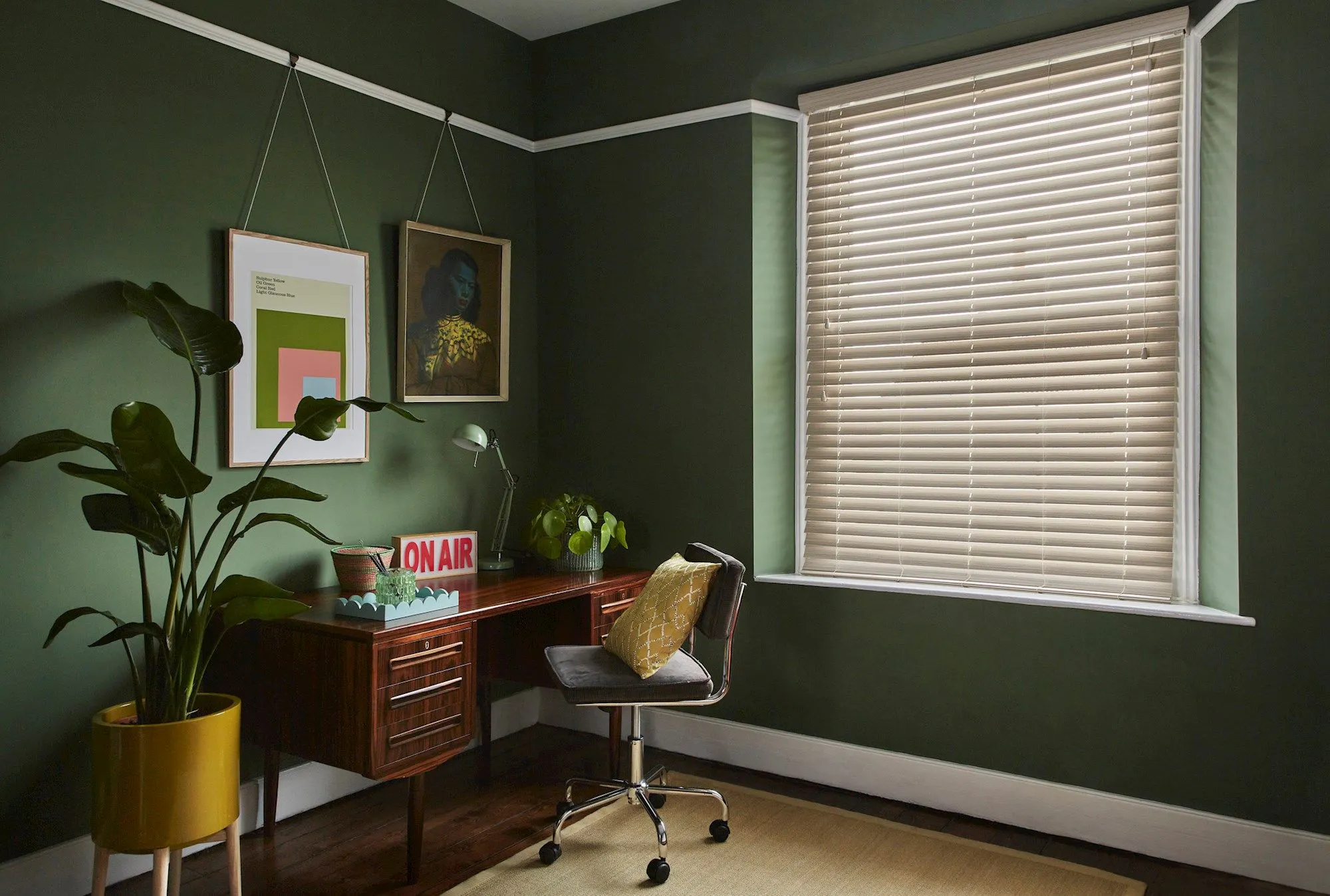
There’s a reason the homes we see online and in magazines nearly always feature some kind of greenery. Plants are an easy, relatively inexpensive way to bring a little of the outdoors in. They improve air quality, help us relax and they just make a room feel more considered. For the less green-fingered among us, the RHS has a handy list of easy-care houseplants.
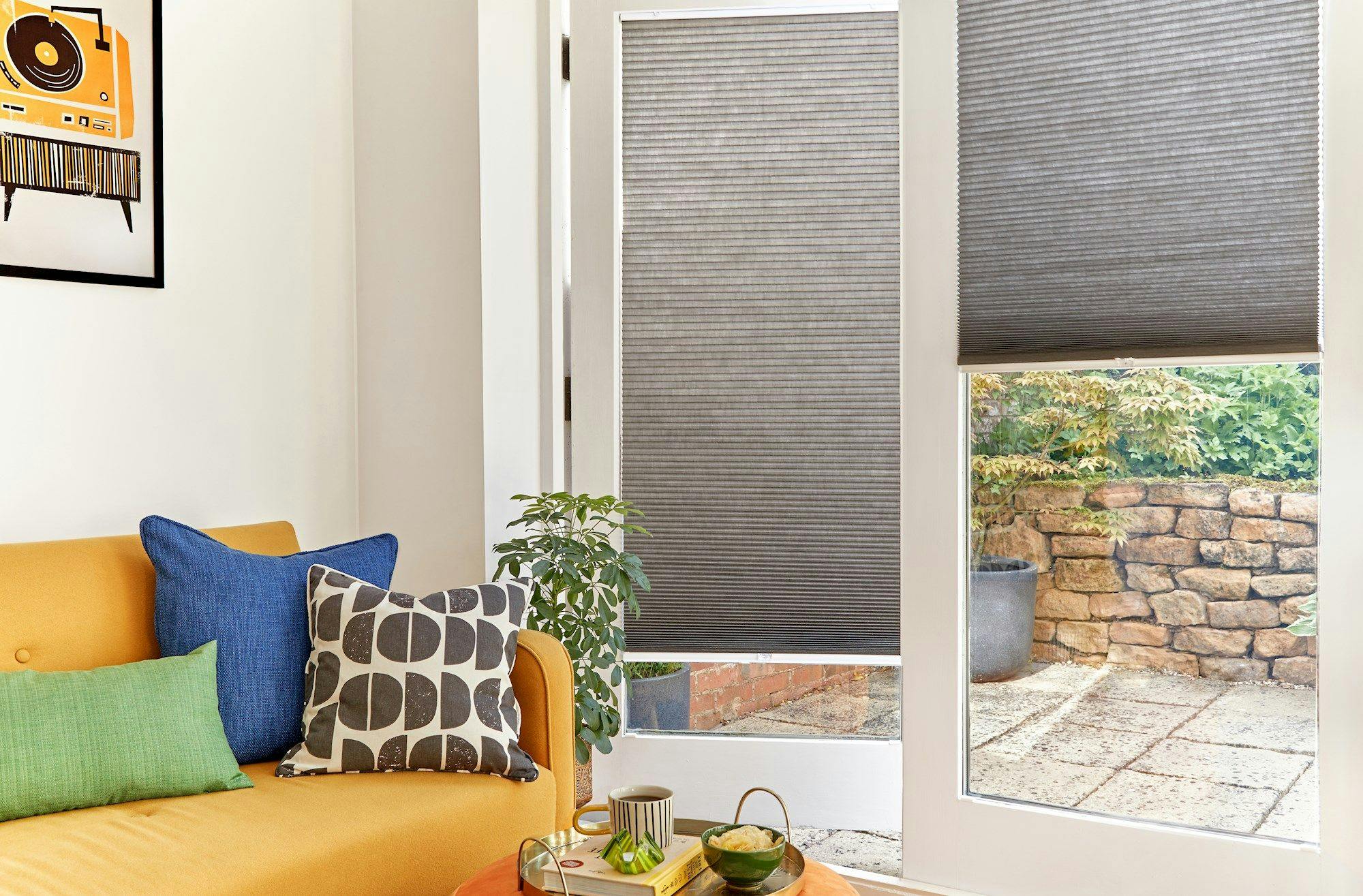
The environment we live in has a direct impact on our mood and wellbeing. By exploring the principles of biophilic design in our own homes, we can create interiors that not only look beautiful, but also help us feel calmer and more connected.
Enter your email address to receive updates on our latest collections, trends and exclusive offers.

50 years of style & value

Rated Excellent

Advisors local to you

Fully guaranteed for peace of mind