




Request an appointment
  • Price Promise

  • Rated Excellent

  • Fully Guaranteed

  • Finance Options Available

Hillarys homepage0800 916 65240800 916 6524Request a brochureRequest an appointment
Request an appointment

How to filter natural sunlight in your home

Victoria Robinson product manager Author Victoria RobinsonProduct ManagerWritten 04/05/2016Updated 20/05/2026
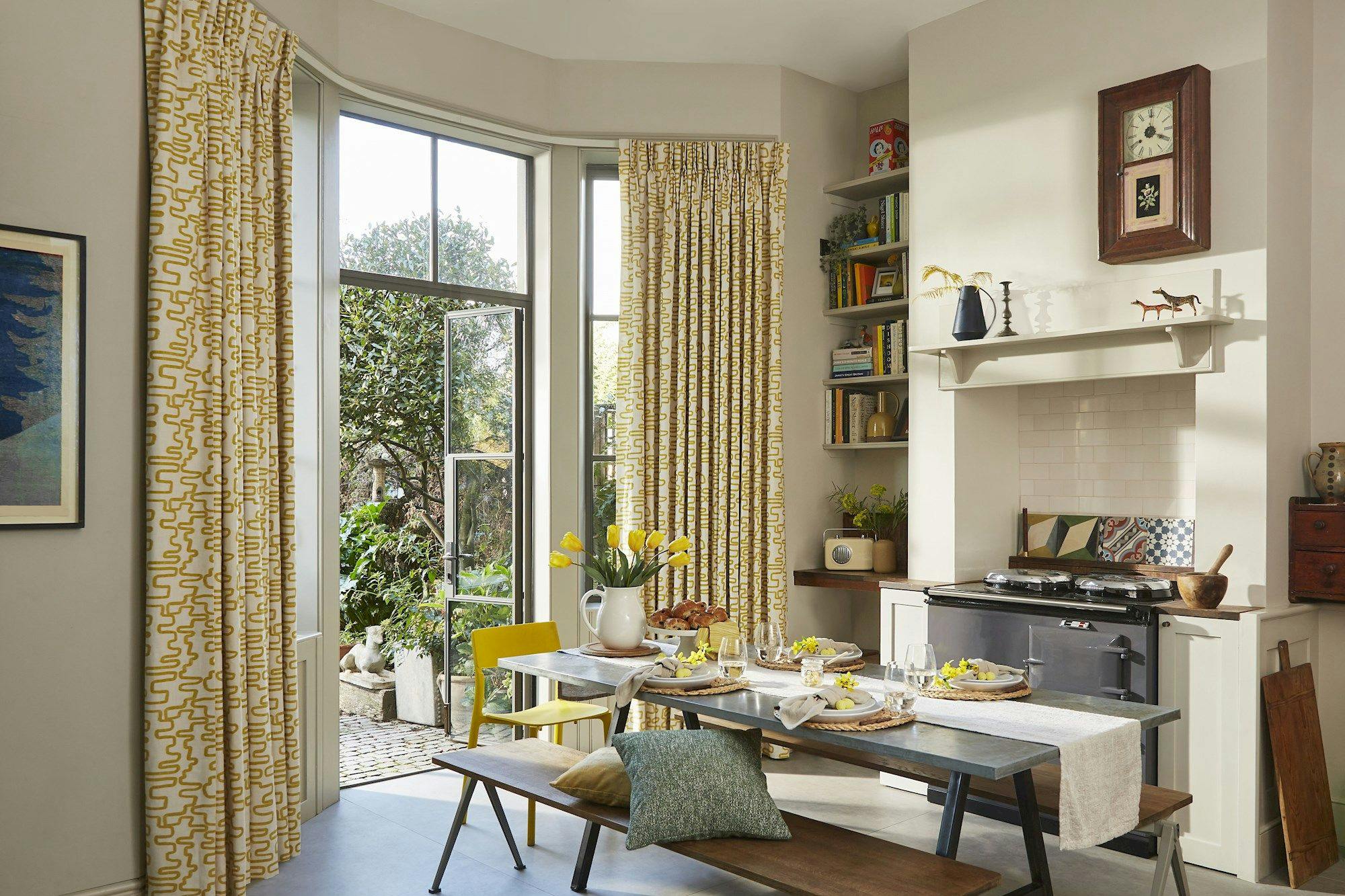
Wirl chartreuse yellow patterned curtains on bay window patio doors in kitchen/dining area

We’ll help you find the right solutions to control light and enhance comfort in your home

Natural sunlight can be a wonderful thing, but when the light becomes too bright, too direct or arrives earlier than you’d like, it can quickly disrupt your comfort. From filtering daylight in busy living spaces to blocking light completely in bedrooms, the right blinds and curtains can help you take control of how light enters your rooms. 
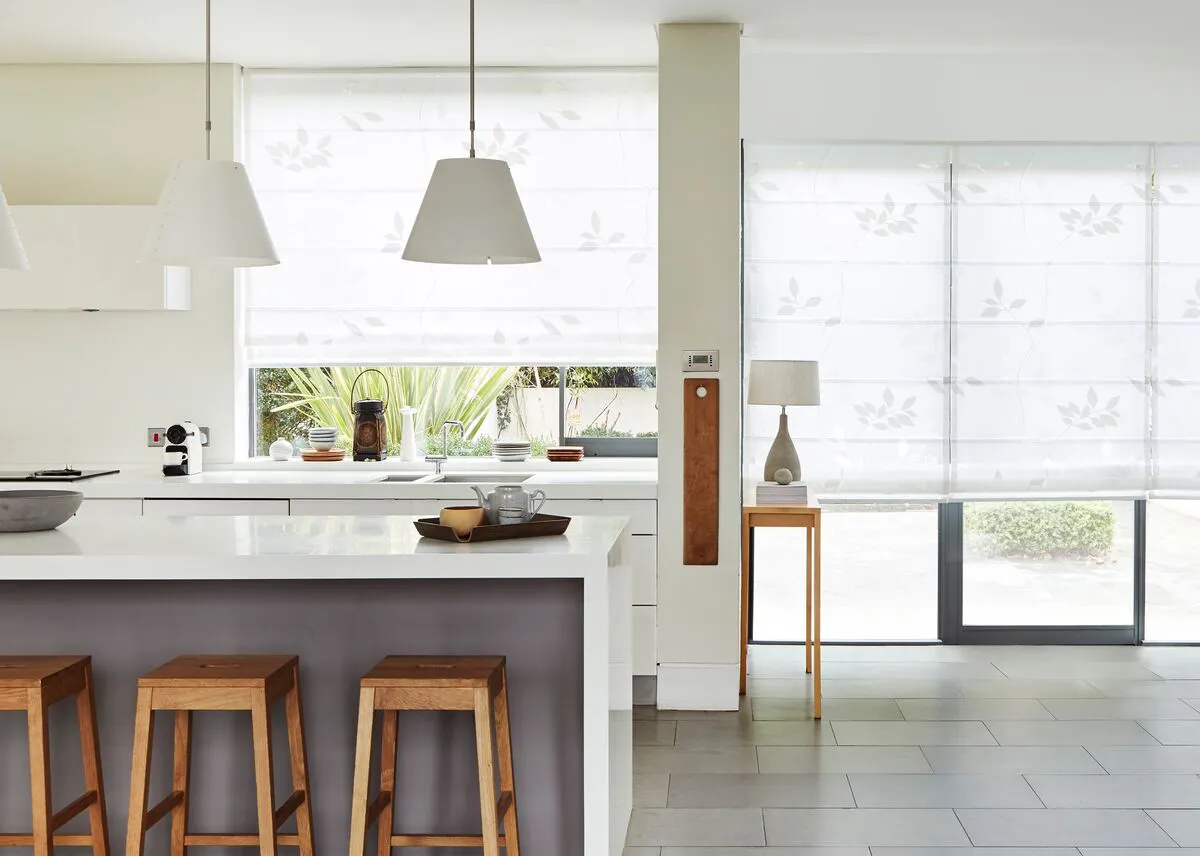
Bright kitchen with wide glazing dressed in Voile Romanblinds, flooding the space with light above an island and wooden stools.

What affects how light enters your home?

  • Window direction matters: South and west‑facing windows usually receive stronger sunlight, while east‑facing rooms get early‑morning light and north‑facing spaces tend to feel softer. 
  • Window size and position: Larger windows, patio doors and roof glazing let in more light, which can increase glare and brightness. 
  • Time of day and season: Brighter mornings and longer evenings during spring and summer often bring unwanted light. 
  • How the room is used: Living spaces often benefit from filtered light, while bedrooms usually need stronger light‑blocking solutions. 

Understanding these factors makes it easier to choose window dressings that filter, redirect or block light in the way that works best for your home. 

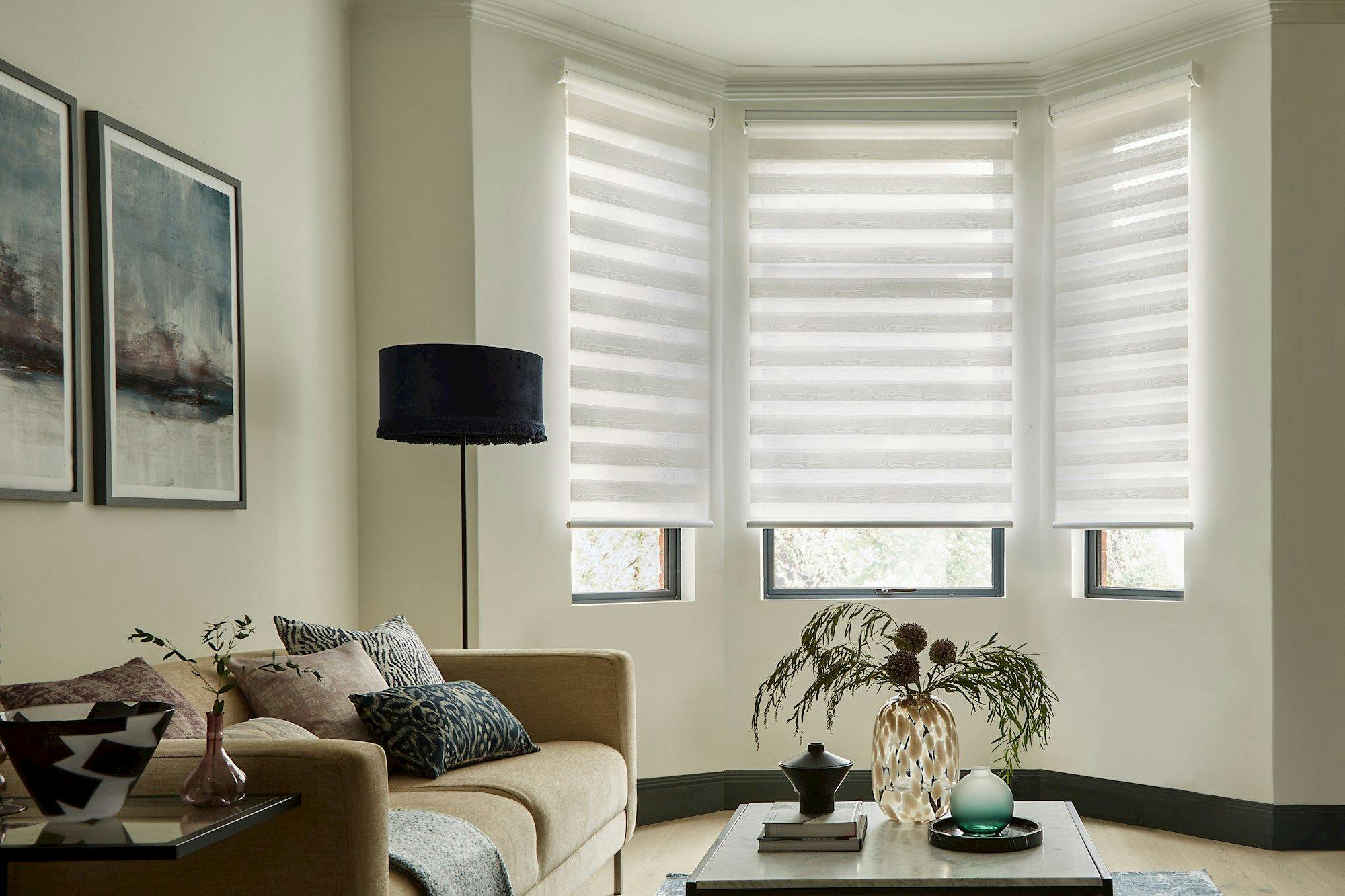
daybreak white day and night blind in a bay window in a living room with a sofa, table and lamp

Which blinds are best for filtering light?

If you want to soften brightness rather than completely darken a room, Day and Night blinds are an ideal starting point.  

Day and Night blinds, often referred to as “zebra blinds”, are designed with alternating sheer and opaque horizontal panels. By adjusting the blinds, these panels line up in different ways, allowing light to filter through the sheer sections to reduce glare, or overlapping to limit brightness and improve privacy.  

Triple Shade blinds take this concept even further. Combining a double layer of sheer fabric with a soft fabric vane in between, they allow you to enjoy filtered daylight and reduced glare – all using the same blind. The layered designed gives greater control as light levels shift throughout the day, making Triple Shade blinds a strong choice for multifunctional spaces. 

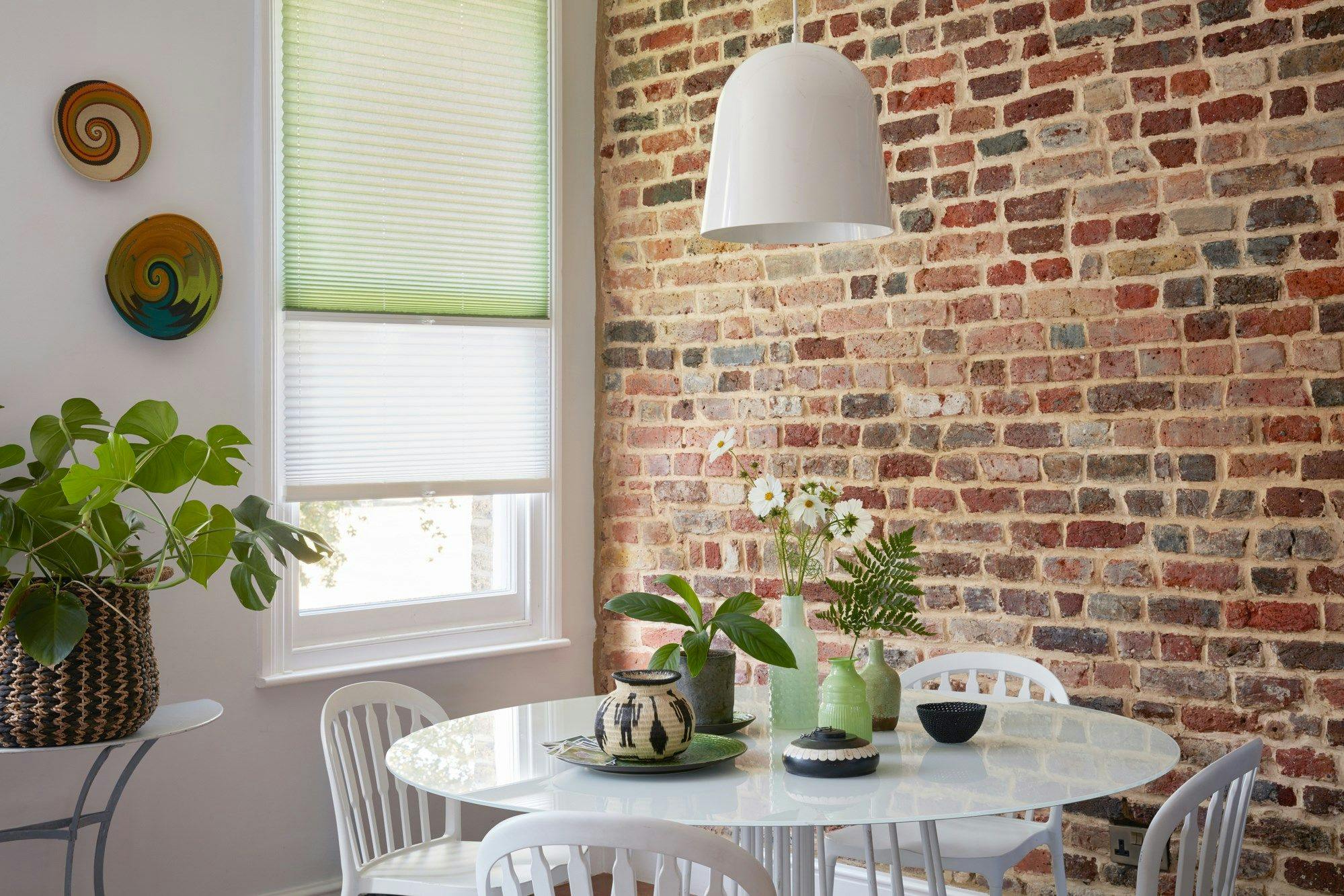
Mint green and white Transition Pleated blinds dressed on the window in dining room with white bistro table and chairs.

Which blinds offer flexible solutions?

For rooms where light levels change throughout the day, Transition™ Pleated blinds provide the perfect solution to balance daylight, privacy and comfort in one blind. By combining two Pleated fabrics of your choice, such as sheer and blackout fabrics, you can enjoy natural daylight, with the option to block light when needed. 

This moveable fabric system allows you to adjust how much light enters the room without fully raising or lowering the blind. This flexibility makes the blind ideal for living areas or home offices, where you may want bright daylight in the morning but reduced glare later in the day. 

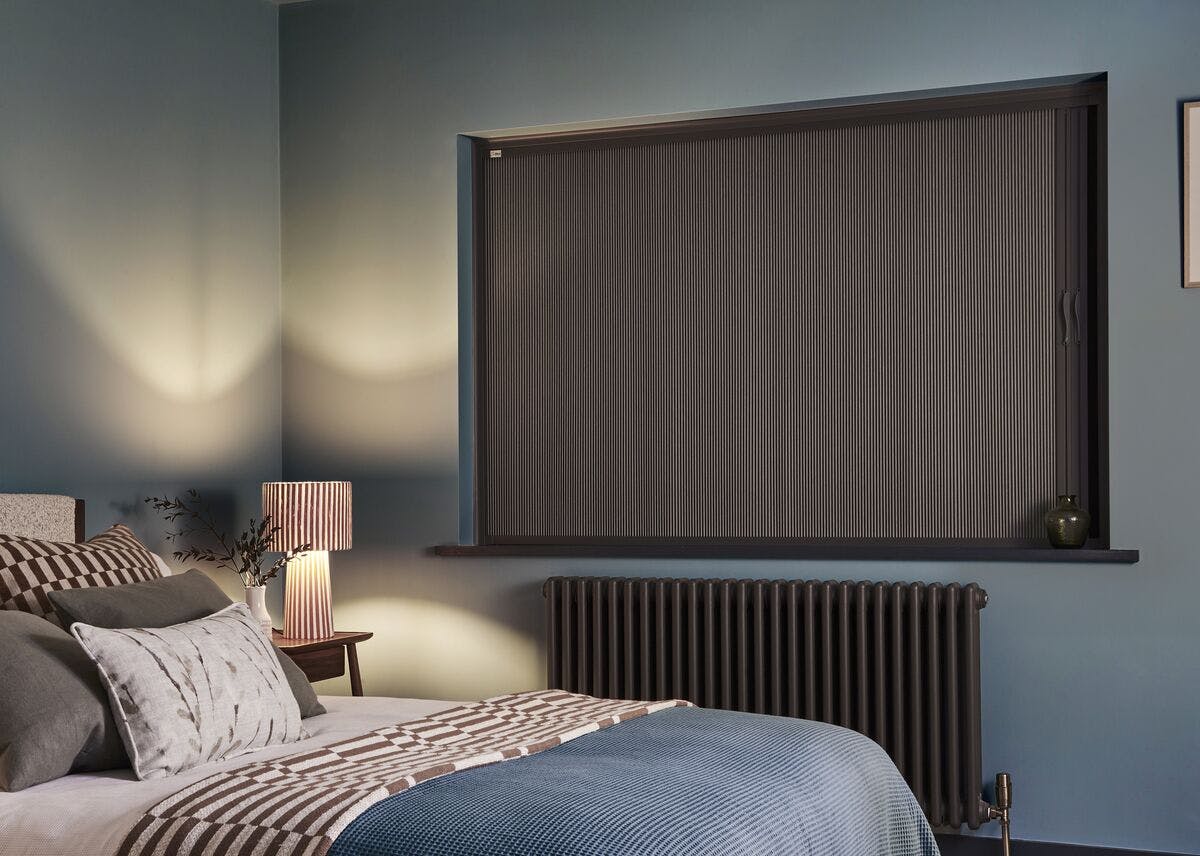
Bedroom window with a blind screen set into a blue wall, positioned above a radiator and softly illuminated by bedside lighting. 

Which styles block the most light?

When keeping light out entirely is the priority, blackout solutions offer the highest level of control. 

Blackout blinds are designed to prevent light from passing through the fabric itself, making them ideal for bedrooms, nurseries and living rooms. 

For even greater performance, Blind Screen® includes our total blackout solution, designed to minimise light escaping around the edges of the blind. Choosing a blackout Blind Screen® is one of the most effective ways to achieve a darker, more enclosed environment. 

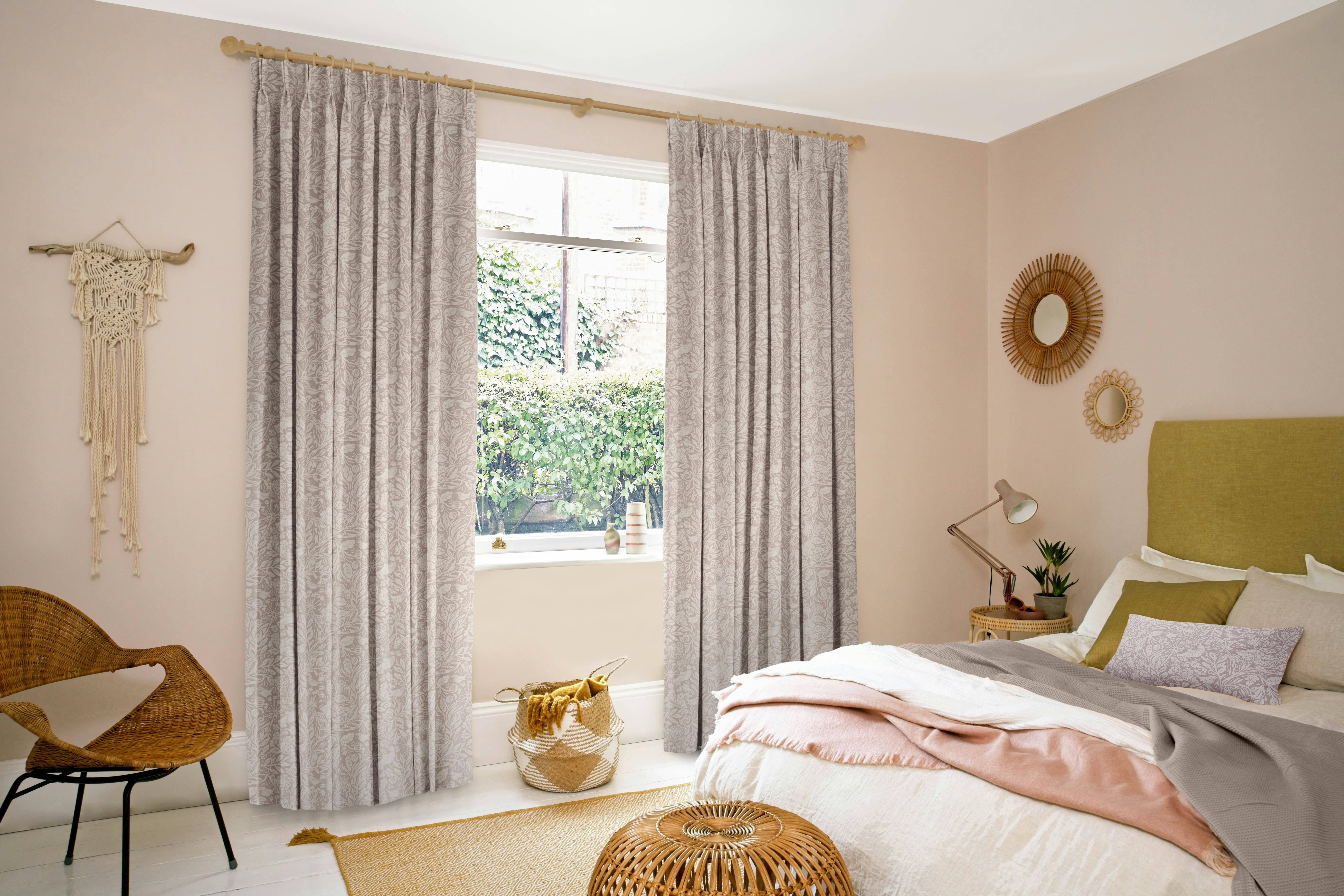
Blackout curtains are another popular option. They use heavy fabrics combined with blackout linings to block early‑morning light, street lighting and bright summer evenings. If total darkness is especially important, layering blackout curtains with a blackout blind can help maximise light reduction and create a more restful space for sleep. 

  • “Having blackout blinds was such a game changer for the long summer days and me actually getting a good night sleep.”

    Evan Edinger, Content creator

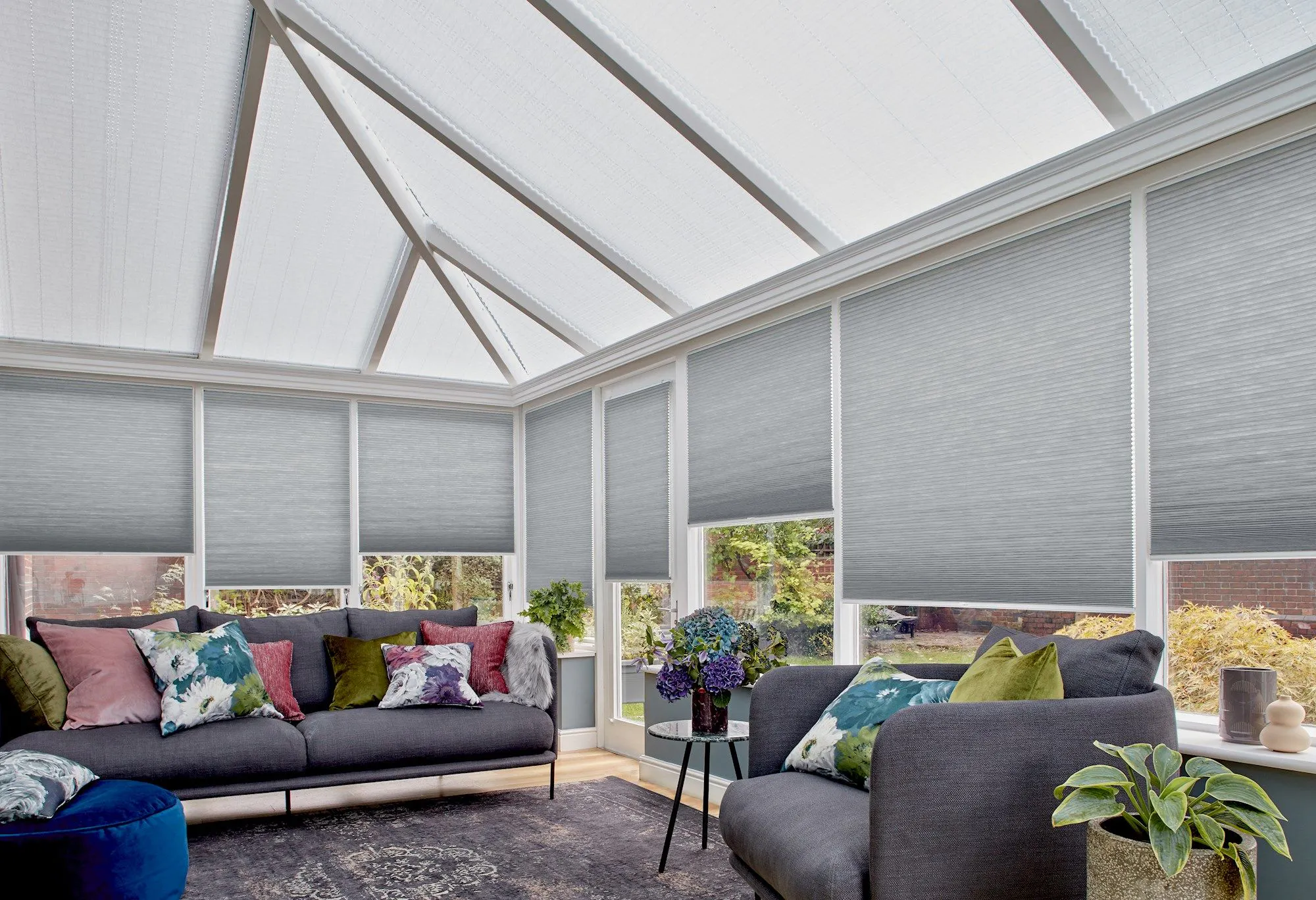
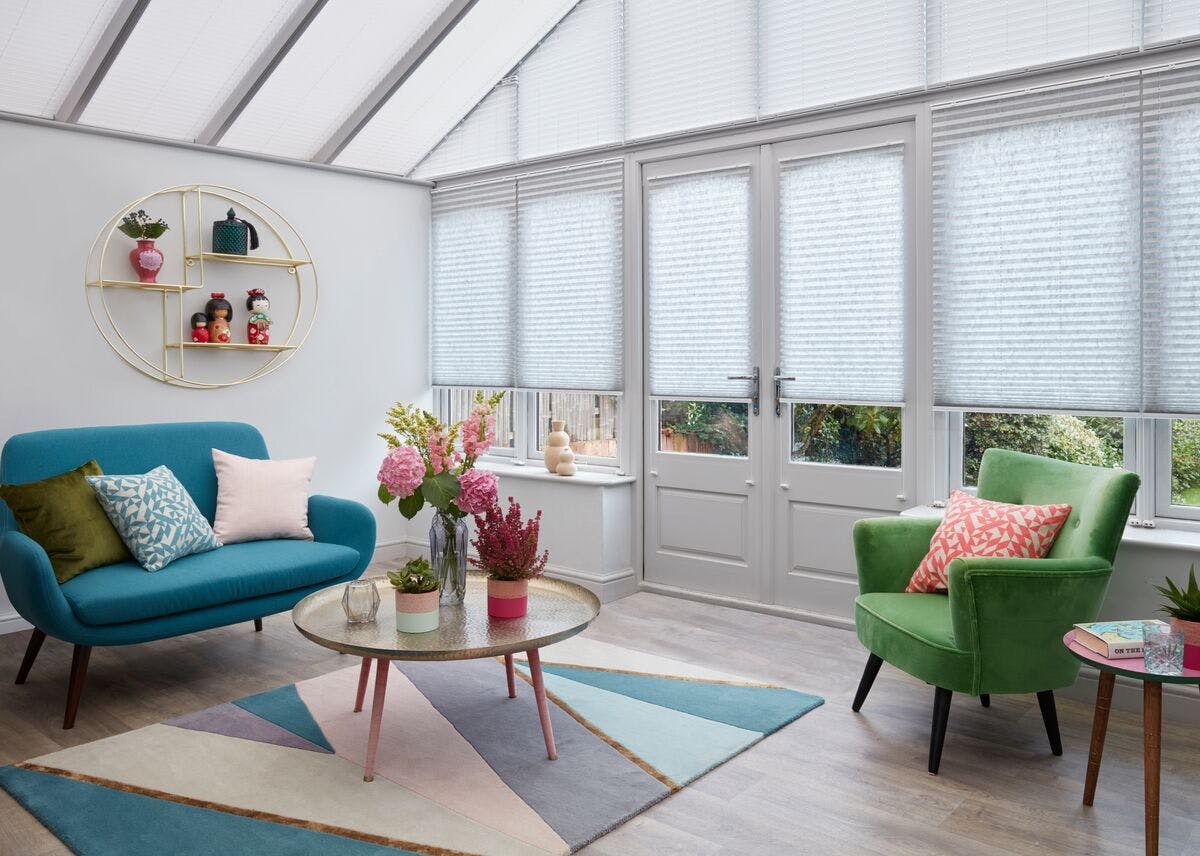
Couches adorned with colorful cushions sit under a sunlit, glass-roof conservatory. Surrounding blinds filter light, with potted plants and a small table enhancing the cozy setting.

Which blinds are best for conservatory roofs?

Conservatory roofs are one of the main areas where heat and light enter a space, which is why temperature and light control are so important.  

Pleated conservatory roof blinds are specifically designed to tackle these challenges. Made using clever performance fabrics, they help regulate temperature by controlling how sunlight and heat interact with the room. A special performance coating reflects the sun’s rays, helping to reduce heat build-up while still allowing daylight to filter through.  

The combination of light diffusion and insulation make them a practical, all-year round solution – reducing glare and overheating in summer while keeping the space feel warmer and cosier in winter. 

Harper sunshine roman blinds paired with daisy spring roller blinds in pastel themed bedroom

How does layering improve light control?

For those who love natural sunlight but still value daytime privacy, sheer blinds, whether Voile Romans or Rollers, are a popular choice, especially when layered with a blackout fabric over the top. During the day, Sheer blinds soften natural daylight and reduce glare without blocking your view. In the evening, lowering the layered blind adds privacy and increased light reduction. Layering allows you to adapt your space easily, offering greater flexibility as light levels change throughout the day. 

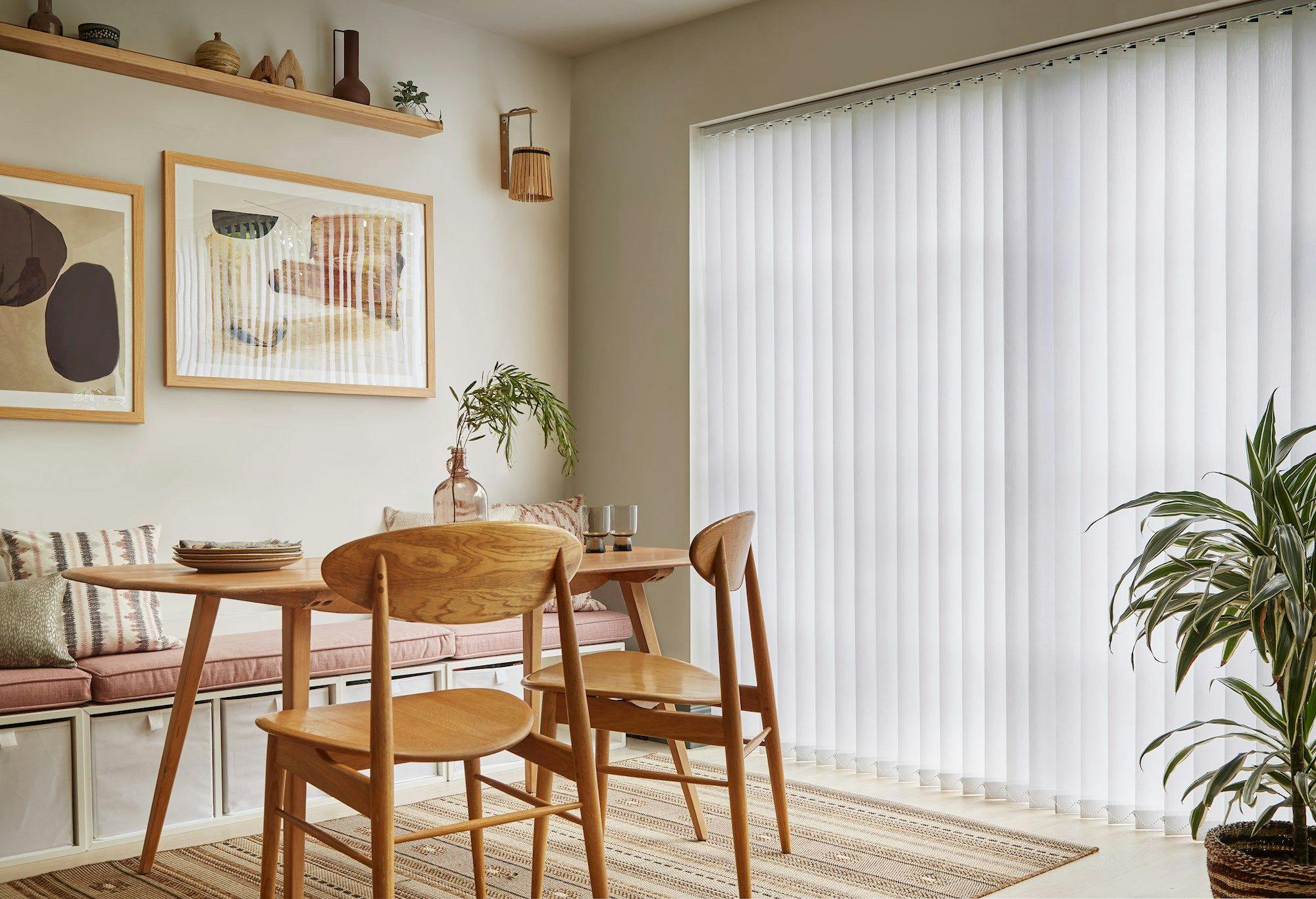
Norfolk Charcoal Vertical blind in wide window

Which blinds are best for direct sunlight?

Rooms exposed to strong, direct sunlight (especially south or west facing spaces) benefit from blinds that manage glare while still allowing daylight inside. 

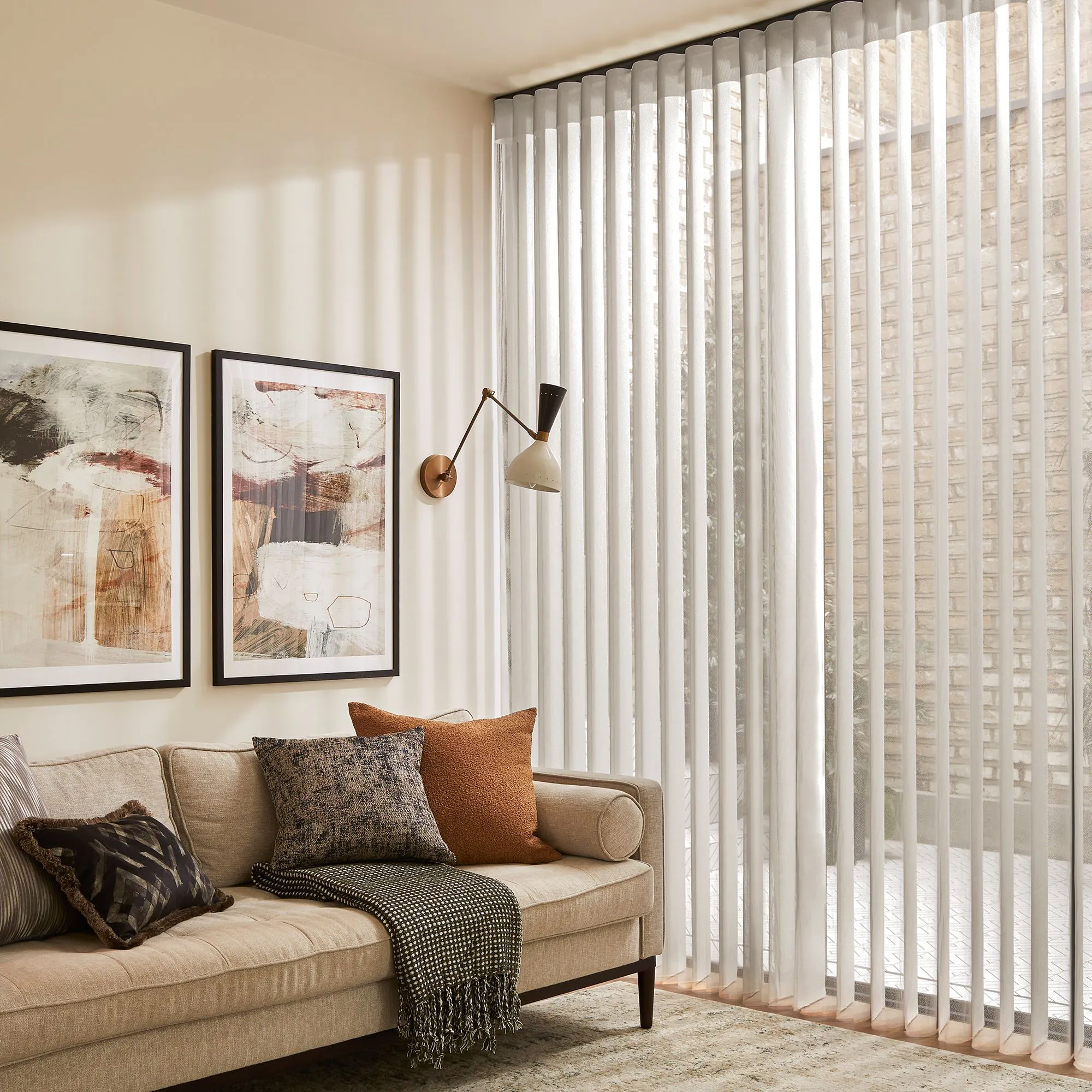
Vertical blinds work particularly well in these conditions. The adjustable louvres can be angled to redirect sunlight while still letting light filter in, making them effective for larger windows, patio doors or sunrooms. 

Another great option is Diffused blinds. Their adjustable soft panels allow light to filter through the sheer sections of the fabric, while the opaque sections provide privacy and help soften incoming rays. 

  • “My office gets a lot of sunlight in the early afternoon so I needed a blind to diffuse the light that would just glare across my screen when I’m working but doesn’t block the natural light completely.”

    Hannah Bruce, Interiors content creator

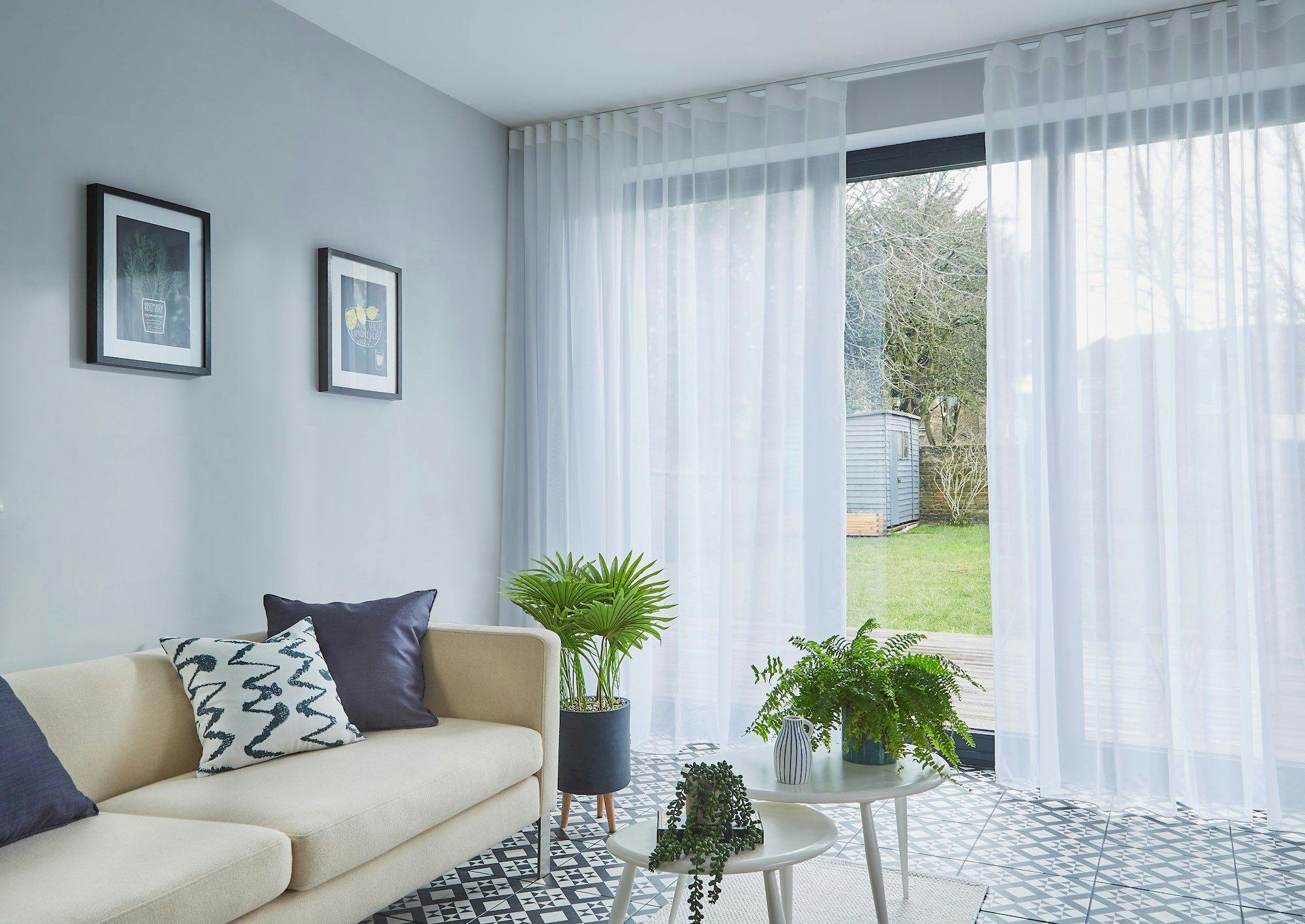
Clarity white voile curtains against wide floor length windows leading to garden

Which styles are best for an airy feel?

In rooms that receive strong daylight during the summer months, the aim is often to soften sunlight rather than block it completely. 

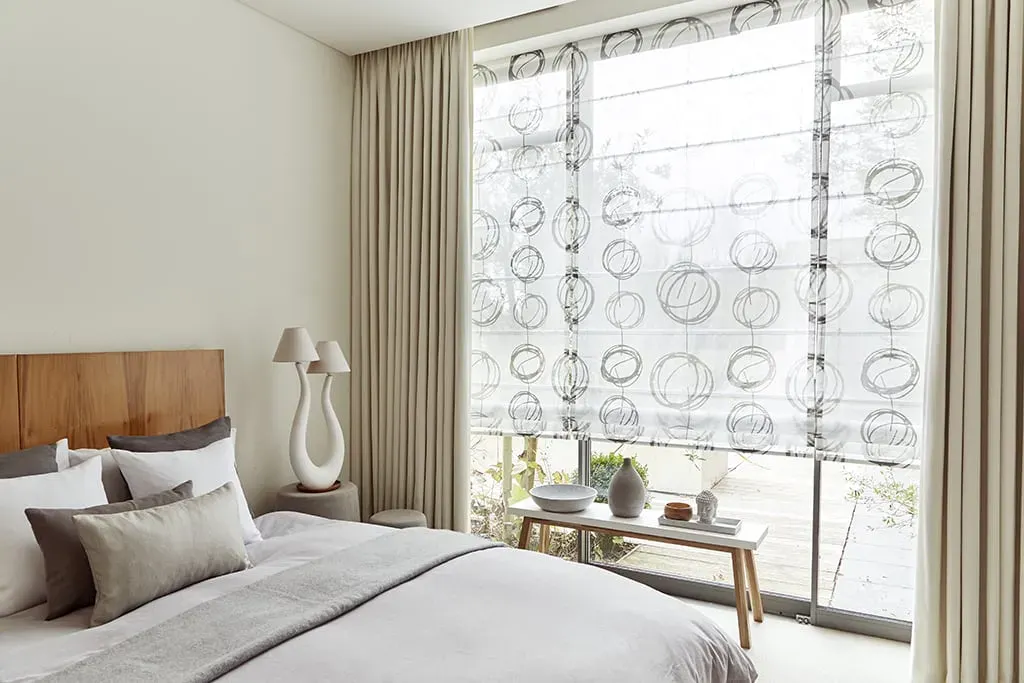
Voile curtains and Voile Roman blinds are particularly effective. Made from lightweight, semi-transparent fabrics, both Voiles filter incoming sunlight, reducing its intensity, while still allowing plenty of natural light into the room. The fabric diffuses the light, helping to minimise glare, provide daytime privacy and an airy feel. 

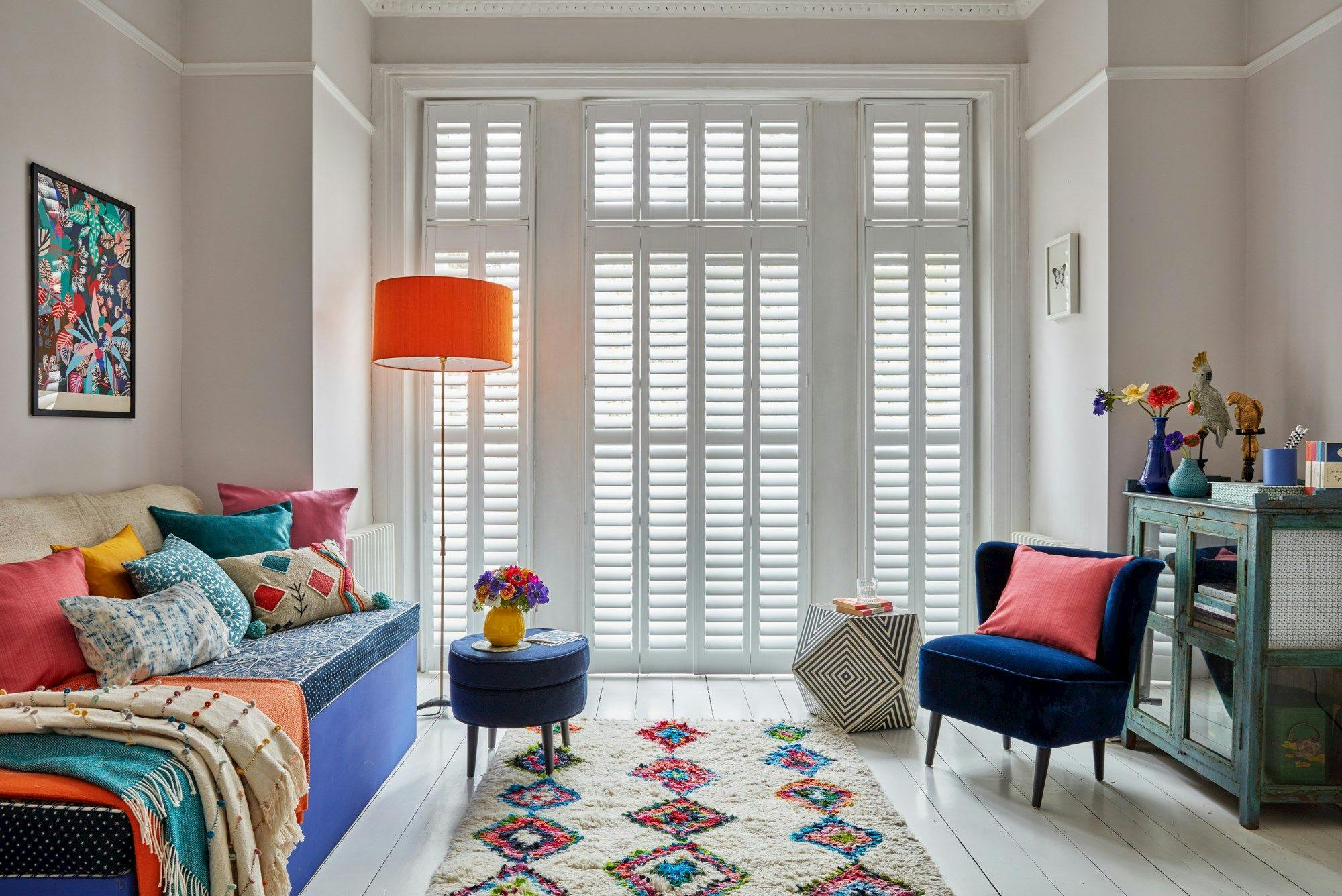
Living room with full height shutters at french doors

What style offers an all-round solution?

For a solution that works well across seasons and throughout the day, shutters offer excellent all-round light control. 

Featuring adjustable louvres, they can be tilted to control how much light enters the rooms. By angling the louvres, you can block direct sunlight while still allowing softer daylight to filter in or close them fully to reduce light levels when privacy or shade is needed. Their solid construction also creates a barrier between the window and the room, helping maintain a stable indoor environment all year round. 

This combination of precise light control and versatility makes shutters a practical choice for almost any room, from bright living spaces to bedrooms. 

  • “Our new shutters have made such a difference in our home. I love how they give us complete privacy when we need it, while still letting in just the right amount of light.”

    Elise Dodds, Interior Squad

Key takeaways: Which window dressings are best for keeping the light out? 

Day and Night, Triple Shade blinds and Transition™ Pleated blinds: Provide flexible control, letting you adjust light levels as the day changes. 

Blackout blinds, Blind Screen® and blackout curtains: Best when maximum light control is needed. 

Pleated conservatory roof blinds: Help diffuse overhead sunlight, reduce glare and limit heat build-up. 

Sheer blinds and Voile curtains: Soften daylight and reduce glare while maintaining a bright, airy feel. 

Layering sheer and blackout blinds: Offers daytime brightness with added privacy and darkness in the evening. 

Vertical, Diffused blinds and shutters: Help manage strong, direct sunlight while still allowing natural light in. 

You might also be interested in…