




Request an appointment
  • Price Promise

  • Rated Excellent

  • Fully Guaranteed

  • Finance Options Available

Hillarys homepage0800 916 65240800 916 6524Request a brochureRequest an appointment

How to keep cool at night

Author Lisa CooperHead of Product at Hunter DouglasUpdated 20/05/2026
Chalk-white bedroom with two corner windows dressed in white voile curtains, partially pulled back, layered under pale oyster curtains, pulled back, bed in foreground with white bedding, dressing table and stool in corner against dark grey panelling.

Tips and tricks for you to try

Struggling to sleep in a hot bedroom? You’re not alone. Whether it’s a summer heatwave or just a bedroom that never seems to cool down, warm nights can make it harder to drift off and stay asleep. 

The good news? With a few thoughtful changes, you can create a calmer, cooler sleep space that works with your home, and for you. 

White bedroom with tall narrow window dressed in pale wood venentian blind, closed and tilted open, bed with white bedding with ochre throw, small ficus in raffia basket, cream carpet, rug in shades of saffron, umbre and ochre in linear pattern.

Why is it so hard to sleep when it's hot?

As part of your natural sleep cycle, your body temperature gently drops. It’s one of the ways your brain knows it’s time to rest. When your bedroom is too warm, that cooling process can be disrupted.  

This often leads to restlessness, frequent waking, dehydration or headaches, and lighter, less restorative sleep, leaving you feeling groggy the next day.

Did you know?

Experts, including  The Sleep Charity, recommend keeping your bedroom between 16°C and 18°C (60–65°F) for optimal sleep.

1. Choose cooling bedding materials

Not all bedding behaves the same way, especially in warm conditions. Heavy duvets and synthetic fabrics can trap heat, making nights feel sticky and uncomfortable. 

Switching to breathable, moisture-wicking fabrics can help reduce night sweats and regulate your body temperature. 

Some popular choices for hot sleepers include: 

  • Cotton and linen: Natural fibres that allow air to circulate and absorb moisture, helping you wake up feeling fresh. 
  • Bamboo: Known for its breathability and natural ability to help regulate temperature. 
  • “Change your quilt to a lighter tog and make sure you have fresh natural fibres in your bedroom.” 

    Tom Coleman, Sleep expert

2. Keep windows covered to reduce heat build-up

Sunlight streaming through your windows can look lovely, but it can quickly heat your room like a greenhouse. Keeping heat out during the day is just as important as cooling the room at night.  

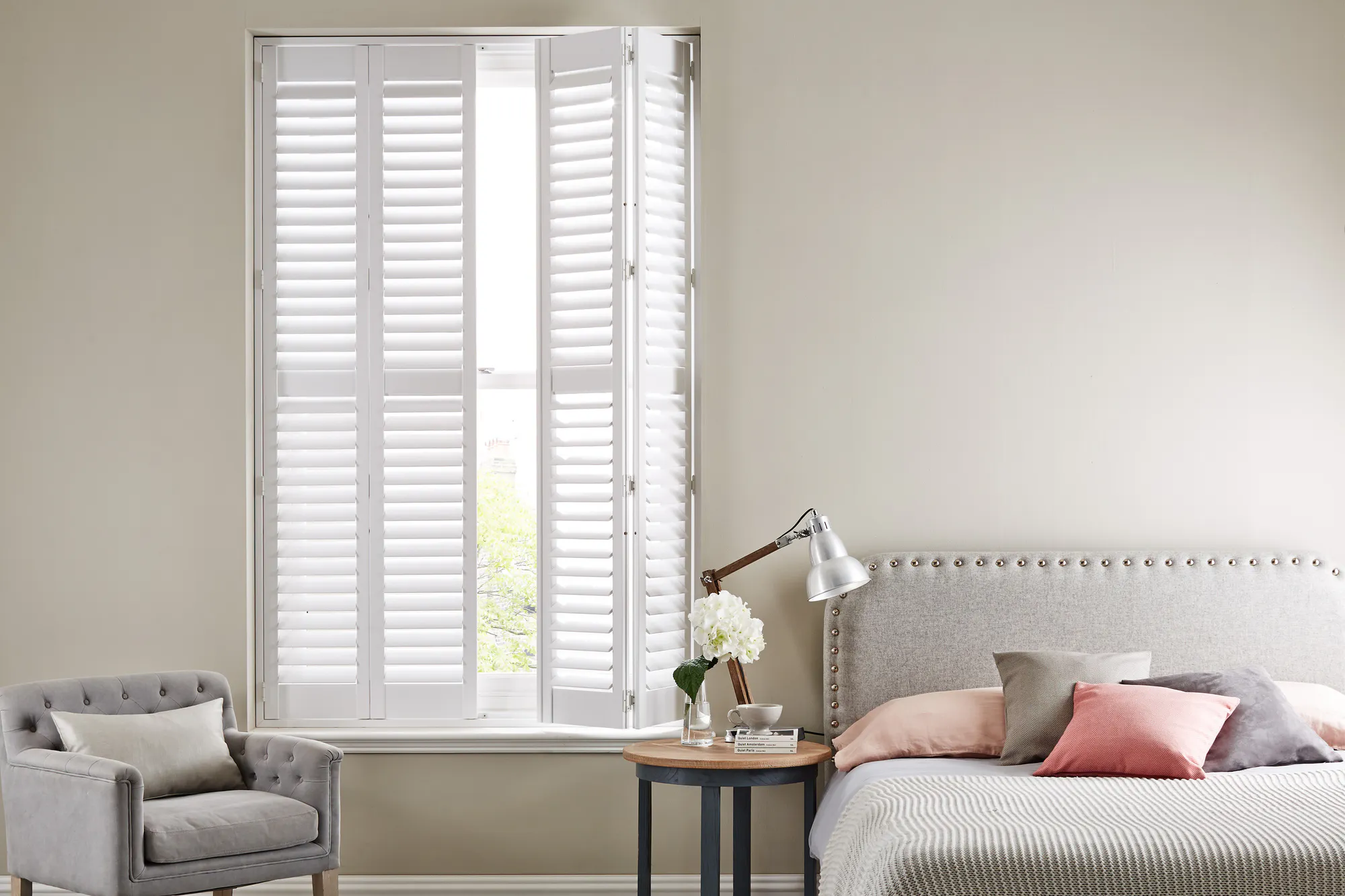
By closing blinds, curtains or shutters during the warmest part of the day, you help keep indoor temperatures more comfortable, so your bedroom feels calmer by bedtime.

Heat-conscious window solutions include: 

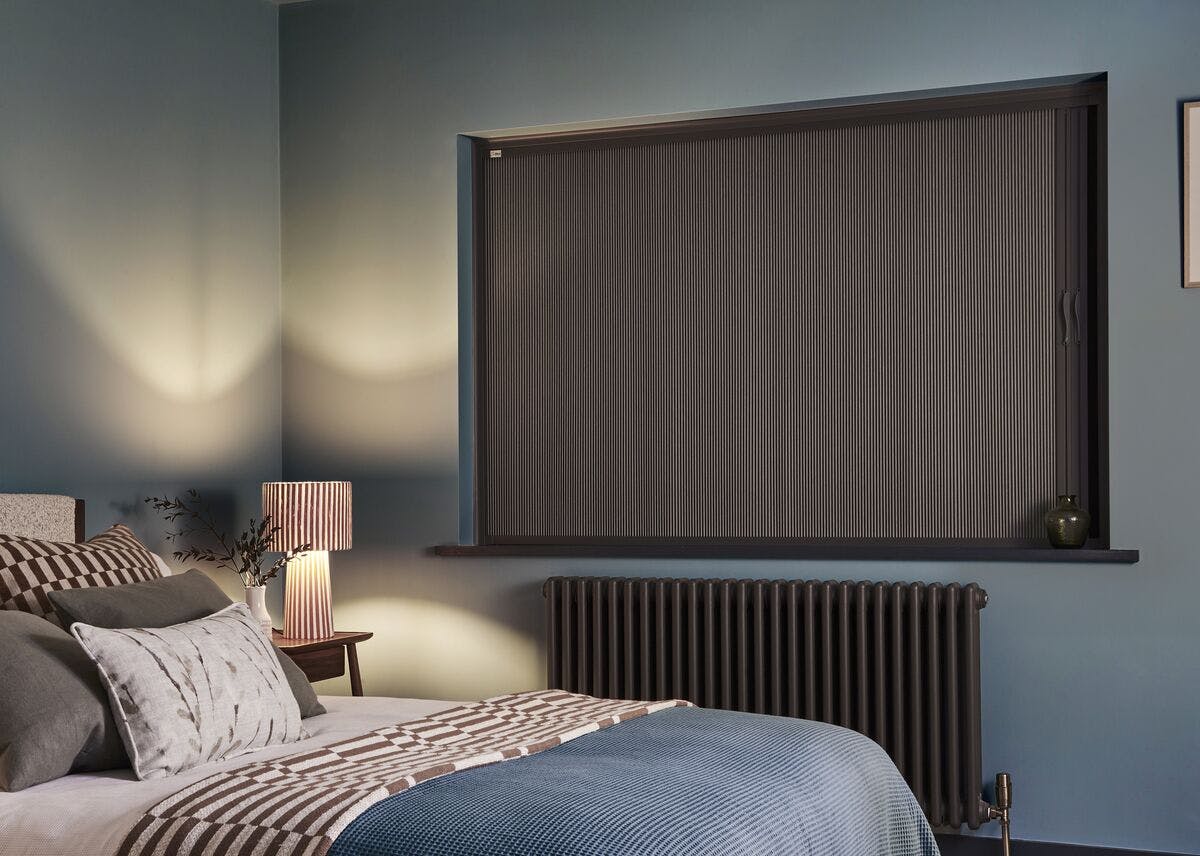
  • Thermal blinds: The honeycomb designs help reduce heat loss by up to 55%. 
  • Blackout blinds: Reduce solar heat gain while creating a darker, more restful sleep space. 
  • Thermal curtains: Designed to reflect heat away in summer (and help retain warmth in winter). 
  • Shutters: Created to block heat from entering during the day and offer ventilation at night. 

3. Make the most of your fan placement

When figuring out how to sleep in hot weather, using your fan effectively can make a big difference. Place it near an open window in the evening to help push warm air out. For a short burst of extra cooling, try placing a bowl of ice in front of the fan.  

Opening windows or doors on opposite sides of the room can also help create a gentle cross-breeze, encouraging warm air to move. 

4. Try the “starfish” sleeping position

The “starfish” sleeping position, lying on your back with your arms and legs gently spread, can help you stay cool on warmer nights. 

By increasing skin exposure to the air, your body can release heat more easily. Avoid curling up as this traps body heat and raises core temperatures. 

Why it works: 

  • Less skin-to-skin contact means less heat retention. 
  • Better airflow around your arms and legs helps cool blood as it circulates. 

5. Cool the body, not just the bedroom

If your room still feels warm, focusing on cooling your body directly can help.  

A lukewarm (not icy) shower before bed can encourage your body to cool down naturally, signalling that it’s time to unwind. Using a cool flannel on pulse points like your neck, wrists or ankles can also offer quick relief.  

Loose, breathable sleepwear, or even sleeping without it, allows heat to escape more easily, helping you keep cool a night. 

  • “Go for a warm shower! Yes, a warm not cold shower. External heat will signal to the body to cool down and actually help with sleep.” 

    Tom Coleman, Sleep expert

6. Diet and hydration: hidden heat triggers

What you eat and drink in the evening can impact how warm you feel at night. 

Sipping water steadily throughout the day helps keep you hydrated.  

Alcohol and caffeine are best avoided in the evening, as they can dehydrate and interfere with your body’s natural temperature regulation. 

Lighter evening meals can also help. Spicy dishes are best enjoyed earlier in the day as they increase internal heat and make it harder to settle at night. 

Yoga pose in a cosy living room with soft lighting, patterned blinds, plants, and cushions around a mat.

7. Why exercise timing matters

Exercise naturally raises your core temperature. This can make it harder to unwind if you workout too close to bedtime, particularly on warm days. 

Morning or early evening workouts tend to work best. If you enjoy moving later in the day, gentle stretches or a calming yoga routine can help you relax without overheating, easing both your body and mind to sleep. 

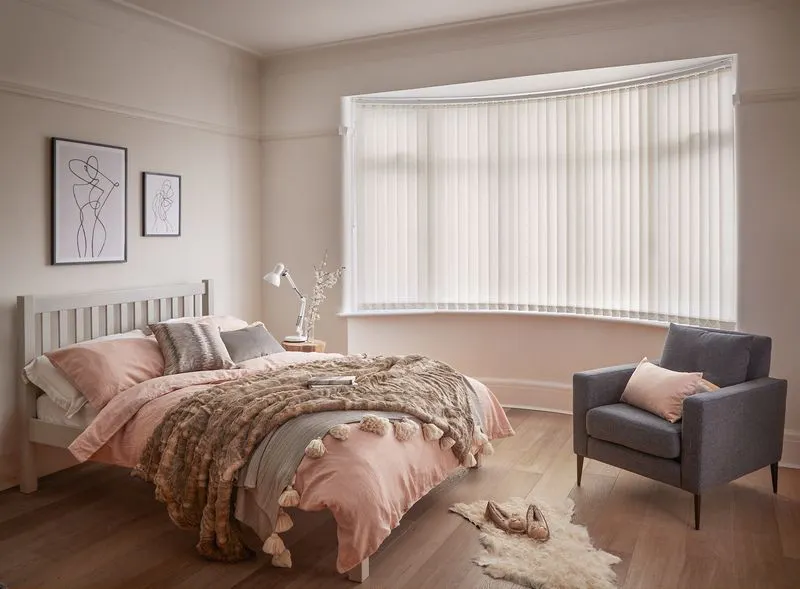
Minimal luxe bedroom with soft furnishings and a bow window dressed with light cream vertical blinds

8. Heat-related sleep issues to be aware of

Some people are more sensitive to warm sleep environments than others. Conditions such as insomnia, night sweats linked to stress or hormones, or sleep apnea can all feel uncomfortable when the bedroom is too warm. 

If heat regularly disrupts your sleep, even after making a few lifestyle changes, it may be worth chatting to your GP or a sleep specialist for reassurance and tailored advice. 

  • “Put a small bottle of water into the freezer and then wrap it with a facecloth ... If you do wake up, use it on the face and hands. The face, palms of the hands and soles of the feet have special heat exchange areas where the body can heat or cool rapidly.” 

    Tom Coleman, Sleep expert

What to avoid when sleeping in a hot bedroom

Some well-meaning habits can make hot nights harder. It’s best to avoid: 

  • Opening windows when it’s hotter outside, as this can trap warm air indoors. 
  • Drinking ice-cold water right before bed, which can cause your body to warm itself back up. 
  • Using memory foam mattresses without cooling layers, as they tend to retain heat. 
  • Sleeping with electronics nearby, which give off low-level heat. 

In summary

A cooler bedroom isn’t just about comfort - it’s about creating the right environment for deeper, more restorative sleep. 

By combining breathable bedding and a few body-cooling habits, you can make a noticeable difference to how your bedroom feels on warm nights.  

And if overheating is a recurring issue, investing in effective thermal blinds or curtains can help your bedroom feel calmer, cooler and more relaxed all year round. 

Discover more inspiration and advice